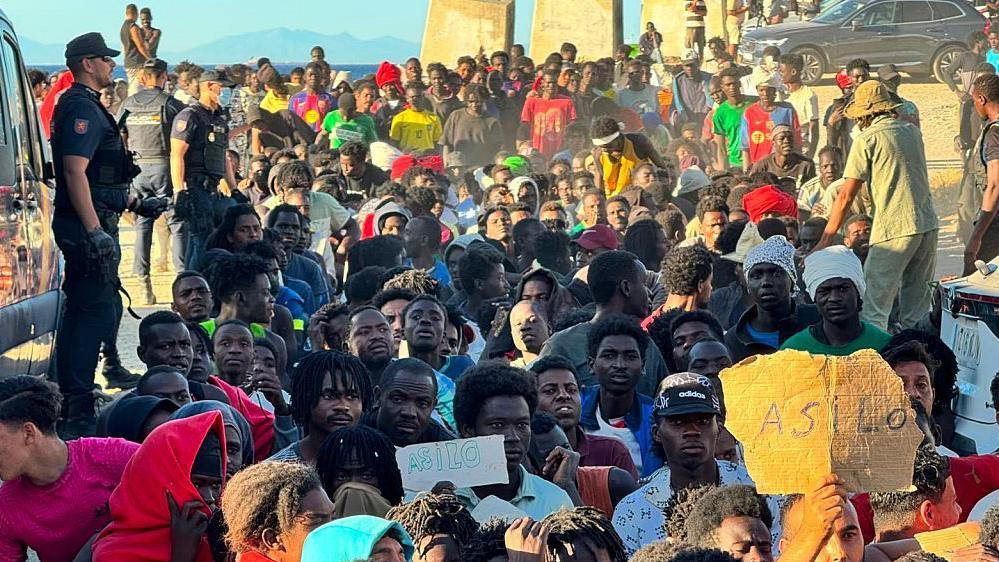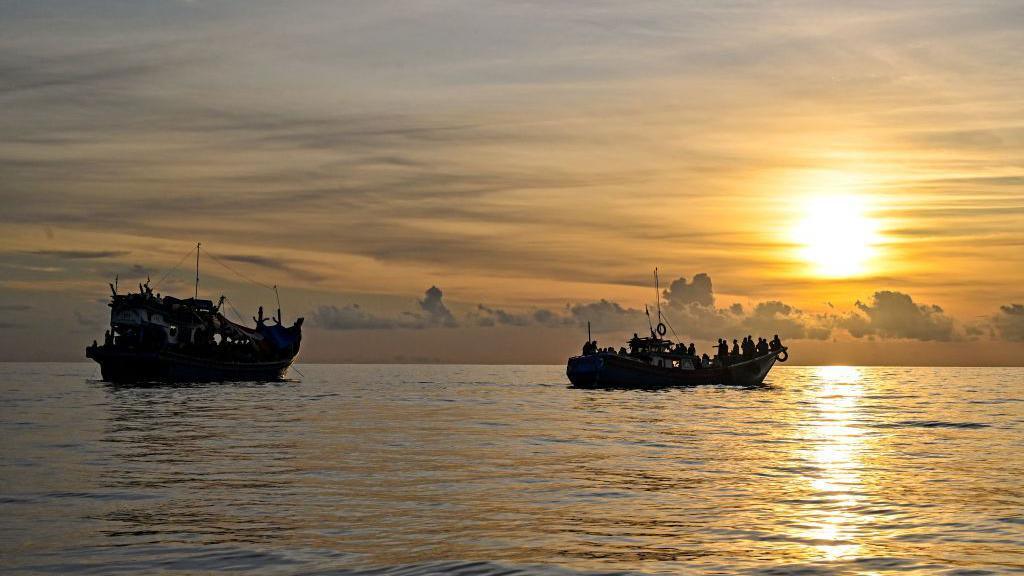
More than 500 Rohingya asylum seekers vanished after two dinghy-like vessels left Myanmar’s Rakhine coastal town of Sin Tet Maw on 29 June, and have not been heard from since.
The boats, described as old fishing trawlers converted to carry as many people as possible, departed in the morning and again later in the day. The monsoon that began on 28 June battered the Bay of Bengal, turning sea conditions treacherous. Experts estimate the vessels, each weighing a few ten‑kilograms per passenger, were probably beyond seaworthiness and capsized within hours or days, leaving little hope for survivors.
The tragedy is set against the backdrop of a relentless humanitarian crisis. Hundreds of thousands of Rohingyas live in overcrowded camps in both Rakhine State and southern Bangladesh, where basic aid is depleting, jobs are scarce, and organised crime threatens daily life. Many view passage to Malaysia and Indonesia as the only viable escape route, fueling a lucrative smuggling trade that still operates despite regional interdiction efforts.
The Arakan Project’s Chris Lewa, who coordinates investigations into the missing boats, was unable to confirm a single witness contact with the fleeing communities. Nevertheless, forensic clues – bodies wash up on Bangladesh shores a week after the departure, and repeated findings of human remains off the Irrawaddy delta – point to water–borne deaths rather than abandonment in transit camps.
State‑level dynamics compound the crisis. The Myanmar military has cut off most telecommunications in Sittwe, making radios scarce and reducing chances of distress signaling. The insurgent Arakan Army, controlling large swathes of western Rakhine, has stated distrust of Rohingyas and has been accused of asylum‑related atrocities. In contrast, the region’s rival governments – Bangladesh, Thailand, Malaysia – have all adopted hard‑line stances on new arrivals, with Malaysia’s navy frequently intercepting vessels and returning them to the open sea.
International bodies have called for safer, monitored routes to mitigate the risk of death at sea. Yet no single country currently offers a structured, humanitarian pathway for Rohingyas to seek asylum outside Myanmar. The lack of an agreed migration framework continues to drive refugees toward perilous routes, exposing them to exploitation, violence, and, tragically, death.
While the exact fate of the two vessels remains uncertain, the loss of more than 500 people highlights the pressing need for coordinated diplomatic and humanitarian responses across the Southeast Asian region.