EU praises Spain for swift action amid Ceuta migrant influx
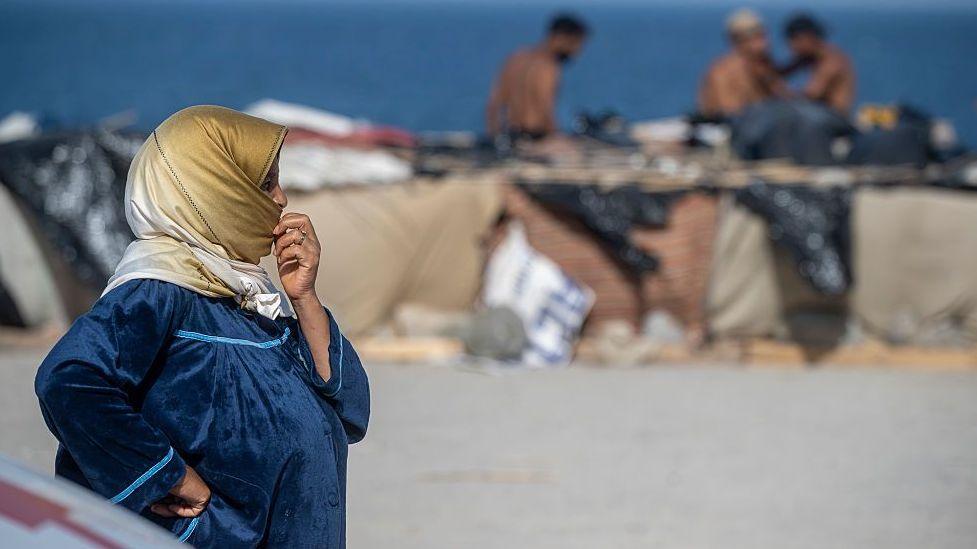
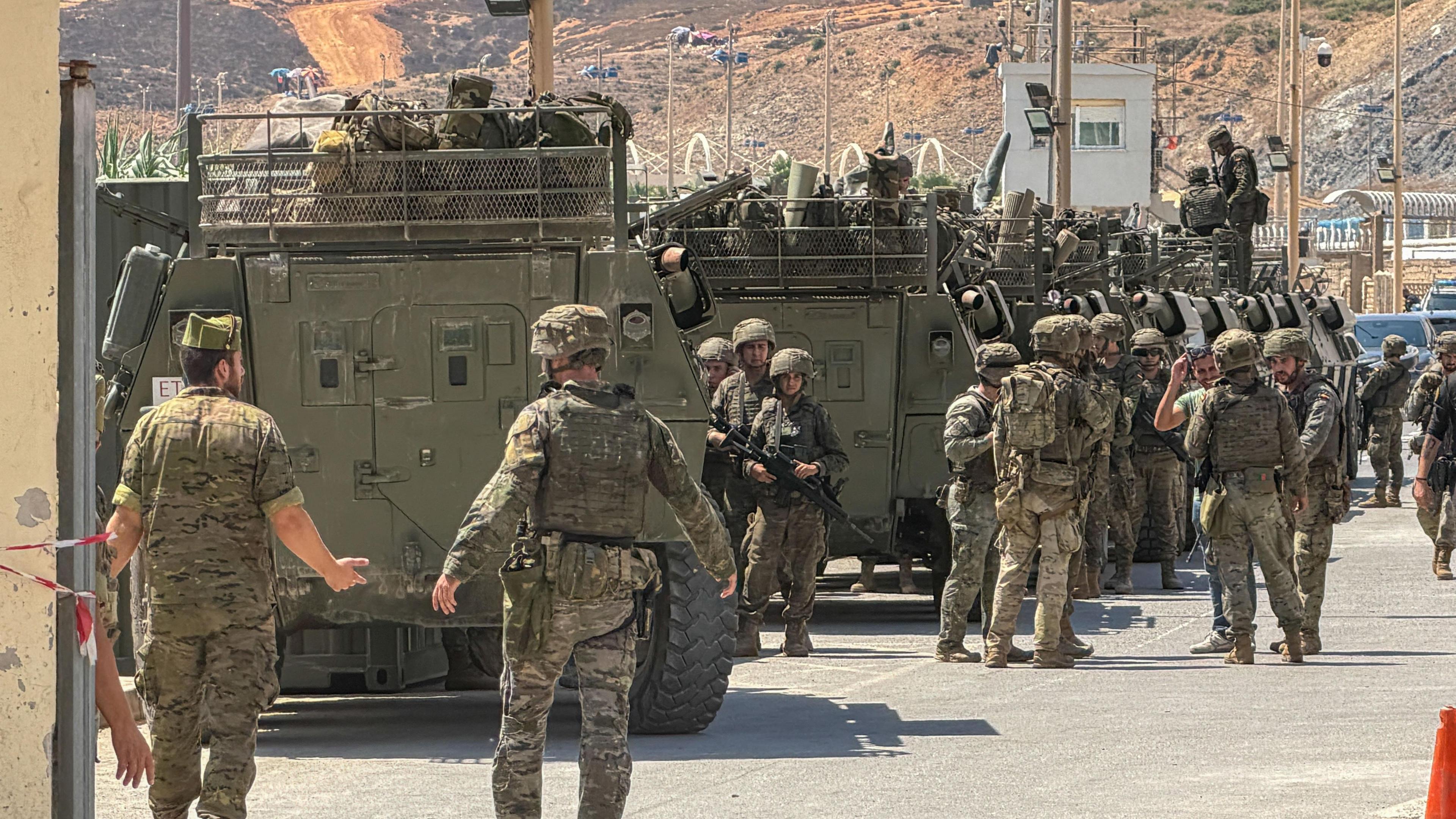
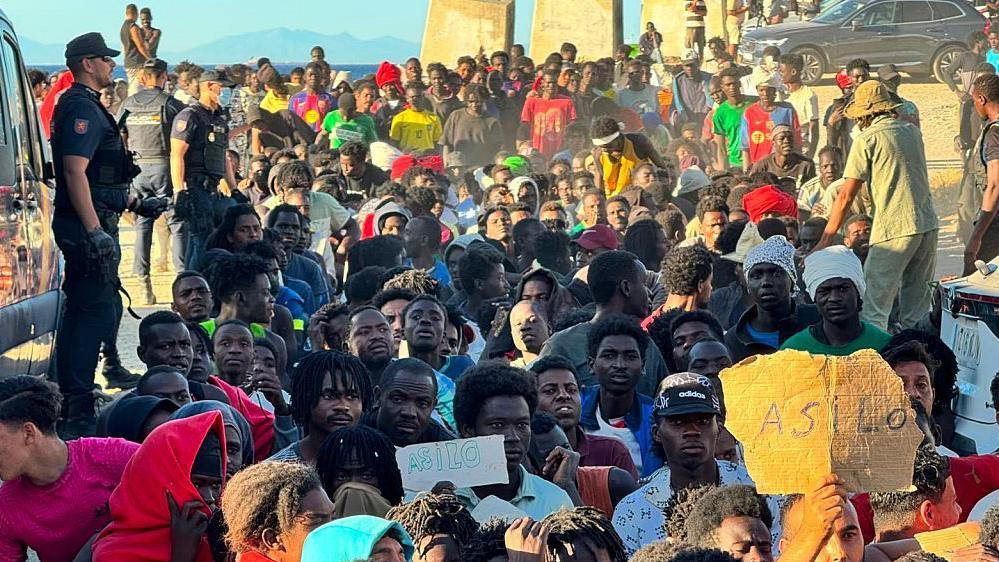
The European Union expressed its support for Spain after a massive wave of migrants crossed from Morocco into the Spanish enclave of Ceuta between 30 and 31 July, prompting a rapid governmental response.
Spanish Interior Minister Fernando Grande‑Marlaska reported that roughly 72,000 people entered Ceuta, with the government thereafter returning around 70,000 migrants to Morocco. The influx resulted in 86 deaths, 75 on the Spanish side and 11 reported in Morocco.
EU leaders convened on Tuesday to address concerns that had been raised by several member states. Italy, citing images from the city as “shocking”, suspended its Schengen arrangement with Spain, a move that applies mainly to air travel due to the lack of a land border between the two countries.
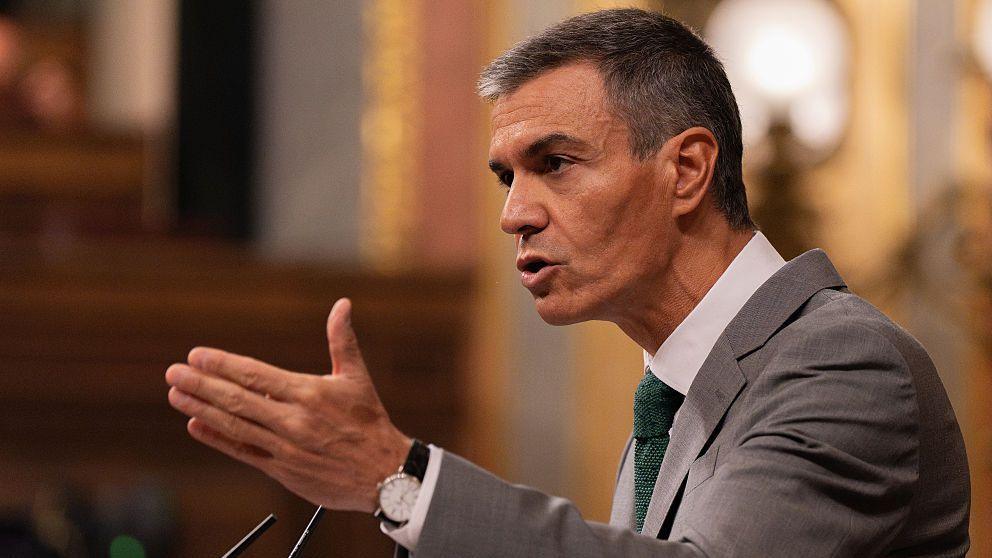
Friday’s suspension represented a symbolic tightening of checks, while Spanish officials stressed that the Schengen zone had not been compromised. Prime Minister Pedro Sánchez replied that the incursions were not attributable to Spain and noted that Ceuta lies outside the main Schengen perimeter.
During the EU meeting, Irish Justice Minister Jim O’Callaghan emphasized the need for a “united European response” to migration challenges, reinforcing solidarity with Spain.
- Finland and Denmark backed Italy’s action and called for temporary suspension of Spain’s Schengen status.
- Denmark’s immigration minister Morten Bødskov praised Spain’s quick response but urged continued border control across Europe.
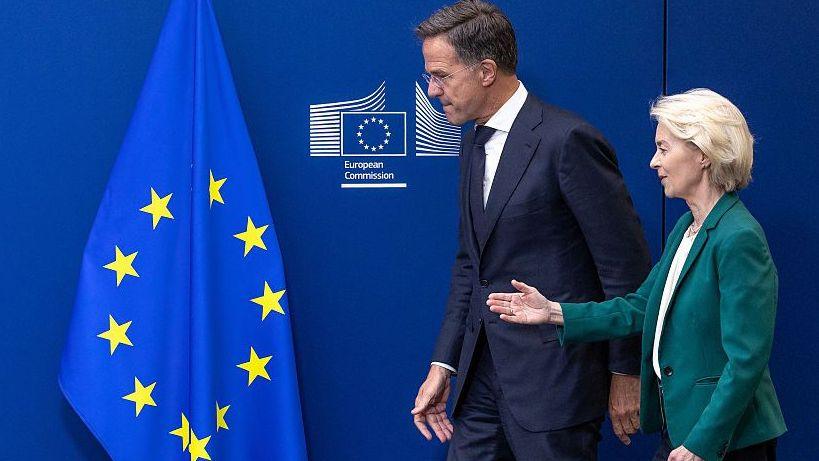
- EU Commissioner Magnus Brunner described the incident as a “test” of European resilience and concluded that border security measures had passed the assessment.
Financing support was offered to Spain to reinforce boundary management and handle the crisis. The motivation behind the mass crossing remains uncertain, but authorities suspect criminal networks and social media misinformation drove the influx.
- Spain’s Supreme Court ruling prevented the summary return of migrants at sea, triggering the surge.
- Reports indicated that Moroccan officials warned Spain that the court decision could cause a problem; Spain denied receiving such warning.
In the aftermath, Spanish Interior Minister reiterated that all migrants, especially unaccompanied minors, were treated with respect, allocating approximately 25 million euros to aid children detained within the city. Local media highlighted that some 800 minors are awaiting placement in facilities.
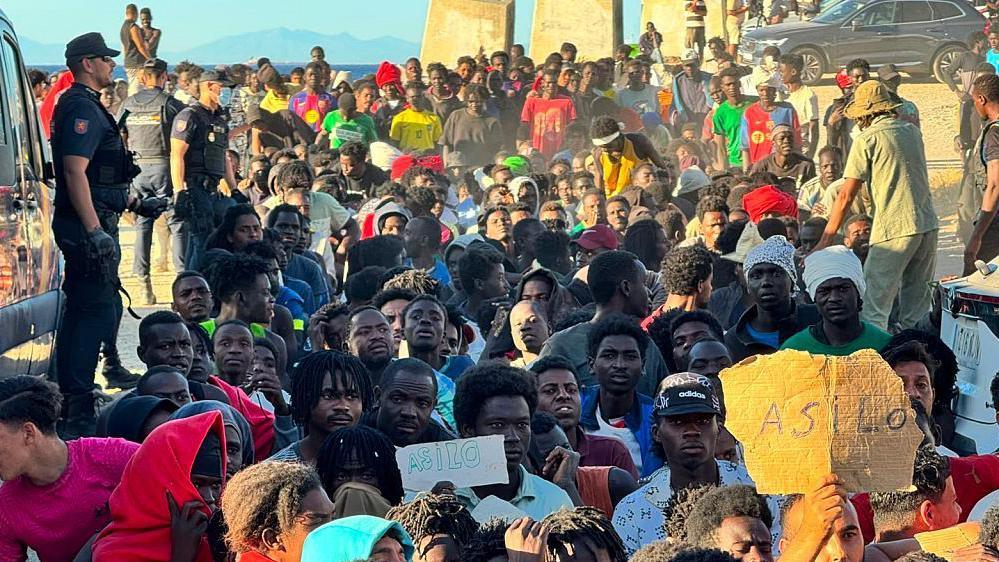
The crisis also drew attention to migration policy debates across Europe, with voices warning that unchecked movements threaten security and calling for strengthened cooperation on federal border controls.