Japan Heads to the Polls: Will Takaichi's Gamble Pay Off?
In a surprising move, Japan is set for its second general election in just two years, with Prime Minister Sanae Takaichi leading the charge. This snap election, announced unexpectedly, has captured the attention of the ruling Liberal Democratic Party (LDP), the opposition, and voters alike.
Takaichi, the first female prime minister of Japan, is banking on her rising popularity to secure a clear mandate for the LDP, which has struggled to maintain its favor among the public.
This time is different because her approval ratings have soared compared to her predecessors, highlighted Rintaro Nishimura, a political analyst. Yet the stakes remain high following the disastrous fallout for her predecessor after a similarly timed election.
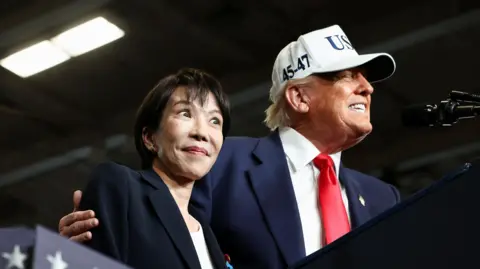
Since assuming office in October, Takaichi has mostly dominated headlines through her visible leadership, strategic public appearances, and a series of high-profile meetings with international leaders. These efforts have endeared her to the public, especially younger voters.
However, Takaichi's impending election is met with skepticism and criticism. Critics note that the snap election has delayed crucial discussions on inflation and other pressing fiscal issues, which continue to burden daily Japanese life. Voters are increasingly feeling the pressure of a stagnant economy, marked by recent spikes in essential goods like rice.
As Takaichi calls for public support to enact changes, she must also navigate potential missteps with controversial foreign policies, particularly concerning Japan’s stance on China. Her hawkish approach on defense promises to win some support but raises concerns among more liberal constituents.
The election will not only be a test of Takaichi's leadership but may also significantly influence the direction of Japanese politics in a polarized environment.