Growth rates in U.S. metropolitan areas saw a considerable decline last year, especially in communities along the U.S.-Mexico border, due to decreased immigration. Meanwhile, several counties along Florida’s Gulf Coast recorded significant losses in residents following hurricane devastation, as reported by the U.S. Census Bureau.
The Census Bureau's estimates reveal a slowdown in population growth across most metro areas, primarily attributed to international migration declines. The average growth rate plummeted from 1.1% in 2024 to only 0.6% in the subsequent year.
The data sheds light on demographic trends amid Donald Trump's second term and reflects the initial impacts of his administration's immigration policies. As an aging population coupled with falling birth rates persist, immigration emerges as a critical source of vitality for multiple communities.
“With so little natural increase, migration is key to determining whether an area thrives or declines, particularly urban centers reliant on immigration due to continuous domestic out-migration,” emphasized Kenneth Johnson, senior demographer at the University of New Hampshire.
Immigrant Losses
Border metro areas, specifically Laredo, Texas, Yuma, Arizona, and El Centro, California, witnessed the steepest drops in population growth in 2025. Laredo's growth rate fell from 3.2% to a mere 0.2%, while Yuma's decreased from 3.3% to 1.4%, and El Centro transitioned from a 1.2% growth to a -0.7% decline. This demonstrates the volatility in regions heavily influenced by immigration fluctuations.
Hurricane impacts were significantly felt in Florida, where Pinellas County lost around 12,000 residents, marking the highest loss in the state. Taylor County, severely affected by recent hurricanes in Florida's Big Bend region, marked the nation’s steepest growth rate decline at -2.2%.
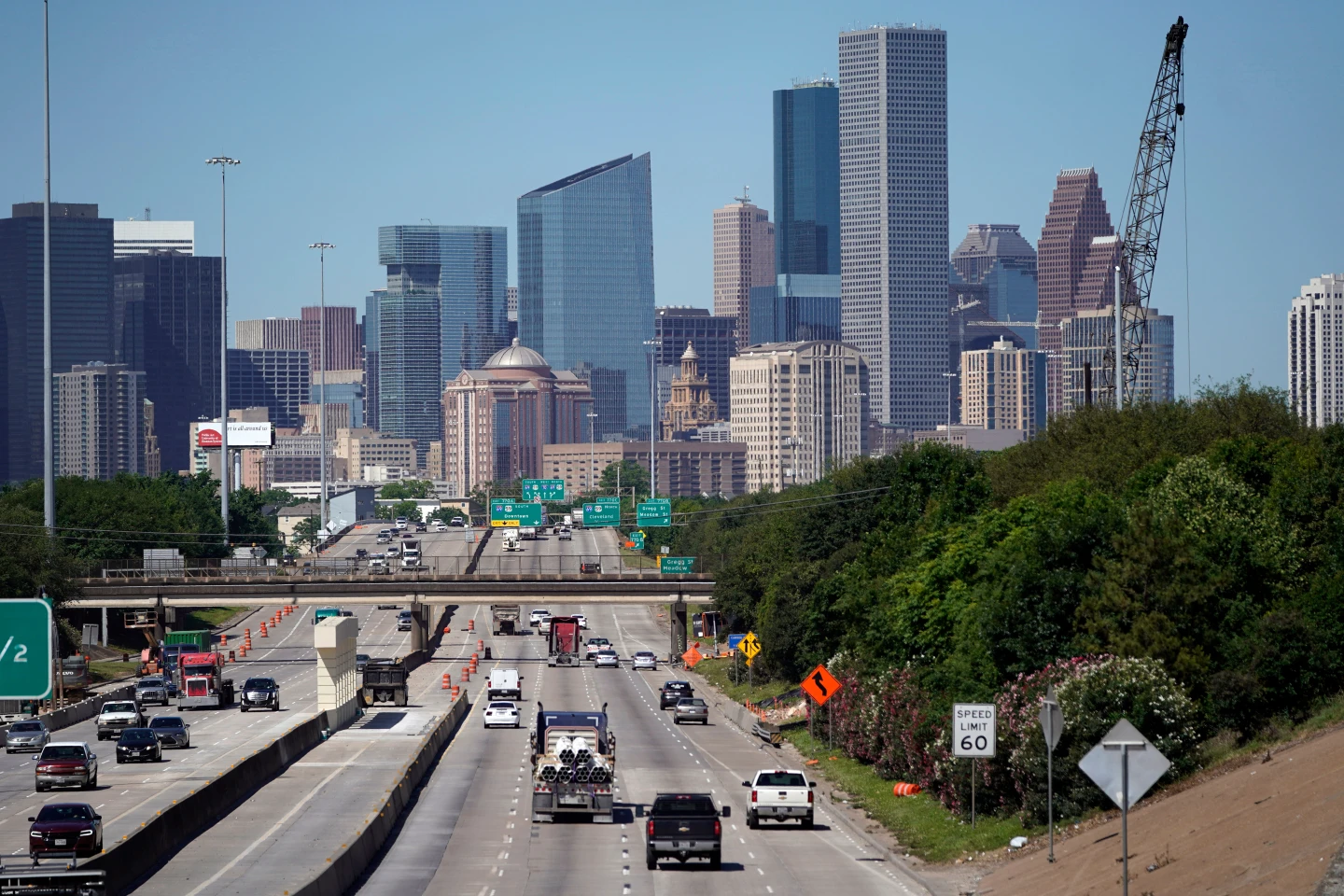
Notably, key urban locales like Houston, Miami, and Los Angeles attracted the most immigrants in sheer numbers, yet experienced stark declines in immigration levels compared to 2024.
Migration and Demographic Trends
The ongoing trend of migration towards suburban regions, propelled by changing work dynamics and housing markets post-COVID-19 pandemic, continued in the latest estimates. Areas like Collin County, Texas, and Montgomery County, Texas, emerged as prime destinations for migrants seeking exurban living.
In summary, while major urban areas see a decline, several smaller towns across the Sunbelt region are witnessing significant growth rates driven by factors both economic and environmental in nature. The entire landscape hints at an evolving demographic puzzle influenced greatly by policy changes and naturally occurring calamities.