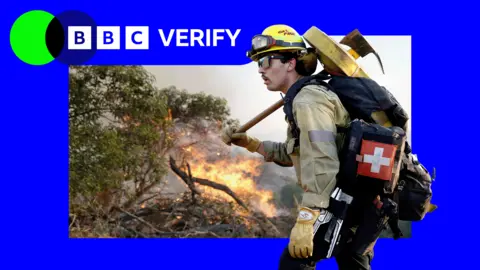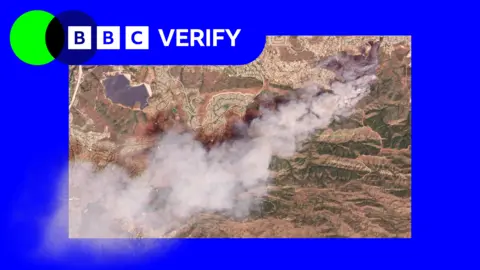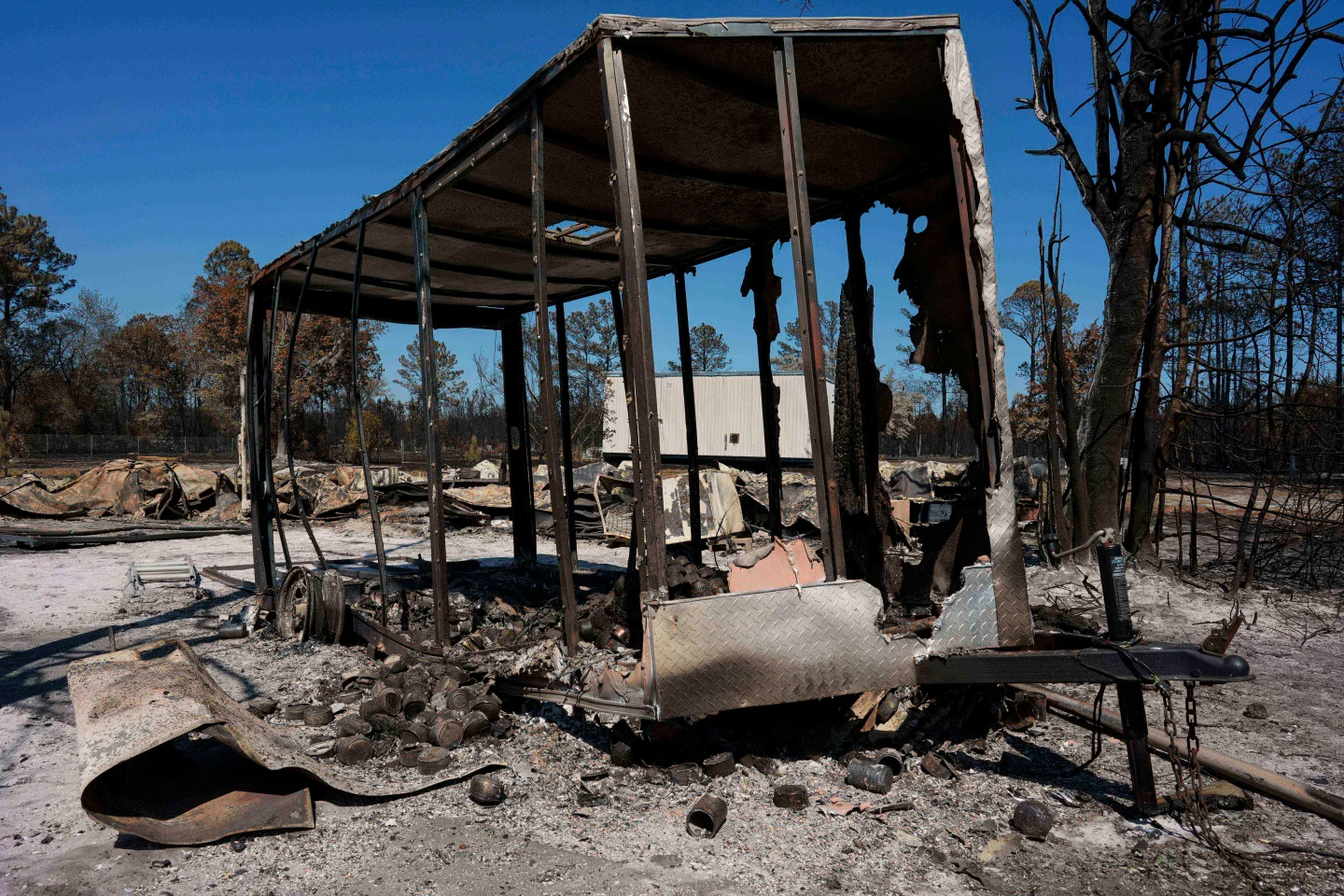
Wildfires, traditionally perceived as a challenge mainly for Western North America, are intensifying in the Eastern United States. A recent fire in Georgia destroyed more than 50 homes, highlighting the growing threat of such disasters in the region, according to fire scientists.
Experts attribute this alarming trend to various factors, including climate change causing combustible materials to dry out, record drought conditions, and substantial dead timber left in the wake of Hurricane Helene. The intertwining of densely populated areas with extensive forests is amplifying the potential for devastating fires.
As of the year to date, an astonishing 2,802 square miles (7,258 square kilometers) have burned across the United States due to wildfires, with a significant increase of 88% over the 10-year average for this time. Unprecedented warm winters and drought conditions in March and April have contributed to this year's fire trend.
Fire scientist Mike Flannigan from Canada’s Thompson Rivers University warns that as temperatures rise, so do the fire risks, extending fire seasons and increasing the chances of powerful flames fueled by dry conditions.
Rising Fire Threats in the East
Data compiled from a 2023 study conducted by University of Florida fire ecologists Victoria Donovan and Carissa Wonkka indicate that the number of large fires and the land area burned in the Southeast has significantly increased from 1984 to 2020. Despite historical fires in this region being smaller compared to the Western US, the dynamics are shifting, requiring greater awareness and response from residents and officials.
Three months ago, researchers initiated a network to better study Eastern fires, confirming that challenges faced in the West might not apply in the East, according to Wonkka. Donovan’s findings reveal that almost half of the large fires in the East originate from areas classified as a wildland-urban interface, where human settlements meet wildland areas—a critical factor in these emerging fire patterns.
Impacts of Hurricane Helene
The destructive legacy of Hurricane Helene in 2024 has become a focal point for current wildfire concerns. Federal and state officials recently alerted populations in affected regions of elevated fire risks due to drought and the vast number of downed trees, which serve as additional fuel for potential fires.
The hurricane left behind over 26 million tons of pine wood and 30 million tons of hardwood across Georgia, amplifying the fire fuel load. Concerns about fuel buildup evoke sentiments of a 'ticking time bomb' within the affected communities.
Dry Air Exacerbates Conditions
Dry air and humidity levels also contribute to the spike in fire incidents. As temperatures rise, the atmosphere’s capacity to dehydrate dead fuels—trees and vegetation that no longer live—also escalates significantly. Consequently, dry conditions lead to a heightened potential for intense fires that can spiral out of control.
In conclusion, human-influenced climate change is a critical driver behind the changing fire dynamics in the Eastern U.S. The warning signs are clear, and experts emphasize the urgency for proactive measures to address the burgeoning wildfire threat.