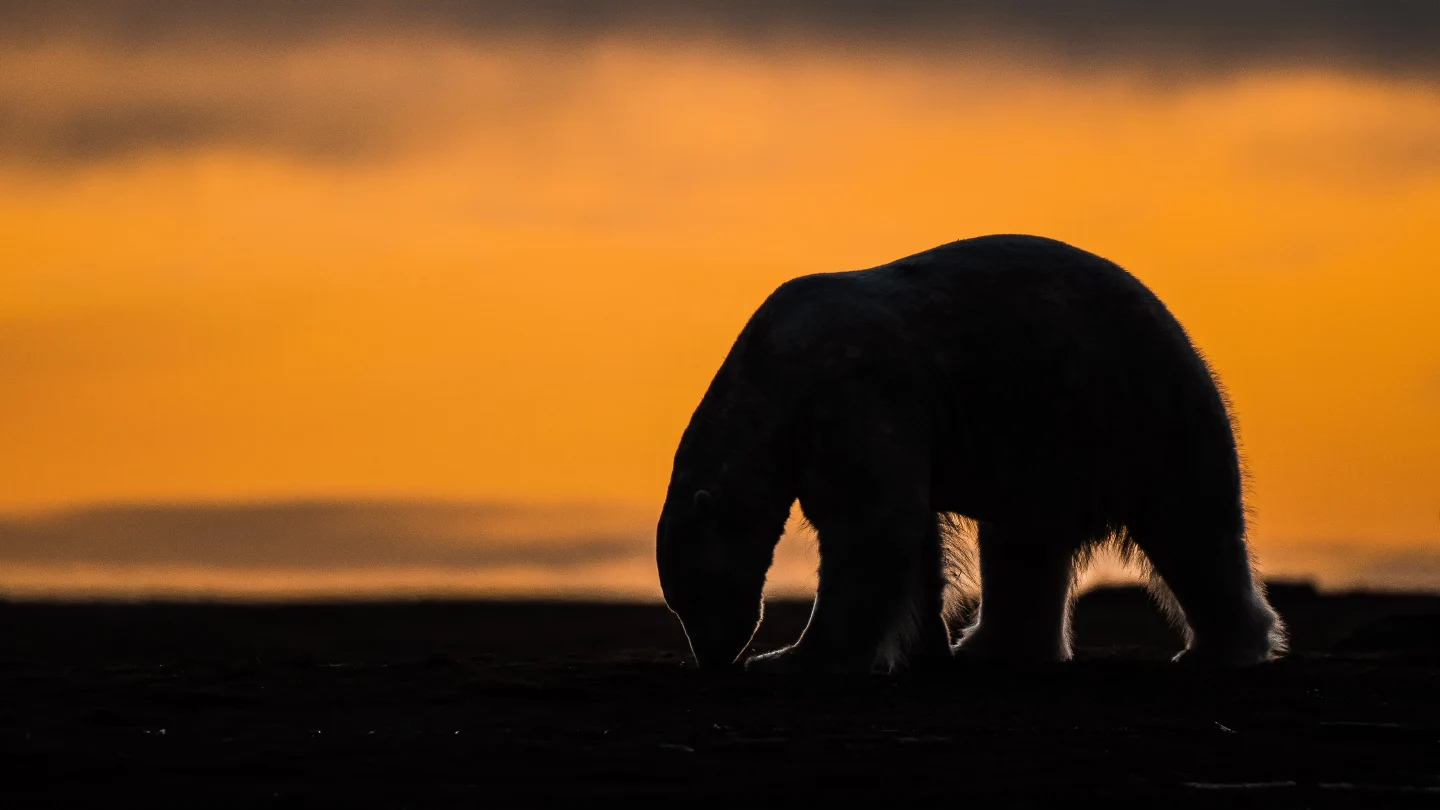
ANCHORAGE, Alaska (AP) — Every summer, polar bears gather near Kaktovik, an Alaska Native village, feasting on whale carcasses and preparing for the onset of winter. This once attracted a significant number of tourists seeking a glimpse of the majestic animals in a phenomenon known as last chance tourism—a bid to experience these creatures before climate change threatens their existence.
However, Kaktovik has faced challenges due to the COVID-19 pandemic and subsequent federal regulations that halted boat tours amid concerns over environmental impact and cultural invasion on local life. Leaders are advocating for a responsible revival of polar bear tourism, which they believe could inject millions into the economy and provide a sustainable income stream, provided it is managed carefully.
There are benefits to tourism, but it cannot be run as it was before, said Charles Lampe, president of the Kaktovik Inupiat Corp. Once a free-for-all for any boat owner with tourists, the rise in regulations led to larger companies stepping in, sidelining local operators and overwhelming the small village of roughly 250 residents.
Tourism surged after polar bears were classified as a threatened species in 2008 due to rapidly melting Arctic ice—a direct consequence of climate change—threatening the bears’ primary food source: seals. As the town faced increased visitation, problems escalated, with locals struggling to maintain their way of life amidst throngs of tourists. The need to balance economic benefits with environmental and cultural preservation is now at the forefront of discussions.
Looking ahead, Kaktovik is engaged in talks with the U.S. Fish and Wildlife Service to reshape how tourism operates in the region, potentially recommencing in 2027. A critical change the leaders are advocating for includes limiting how long boats can stay near the bears, promoting respect both for the wildlife and the subsistence culture tied to village life.
In a shared understanding of the delicate balance, both the community and tourism stakeholders aim for an educational approach, allowing visitors to participate responsibly while gaining insights into local traditions and wildlife preservation. As Kaktovik looks to the future, the question remains: can they maintain their cultural identity in the face of encroaching tourism driven by a changing environment?