In brief
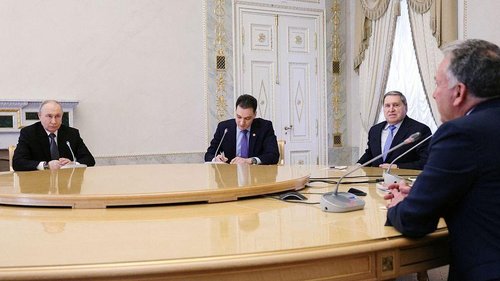
Putin warned that if Kaliningrad faced direct attack, Russia would deploy all available weapons, including nuclear, to defend the exclave. He dismissed accusations that Moscow was threatening Europe, insisting the statement was a defensive posture in response to NATO’s heightened military presence. Earlier in the week, a Russian helicopter was reported to have crossed into Polish airspace and Lithuanian drones entered state airspace, fueling hybrid warfare concerns. NATO’s Secretary General has called the Kremlin’s rhetoric "unhelpful" and assured alliance members that exercises pose no danger to Russia.
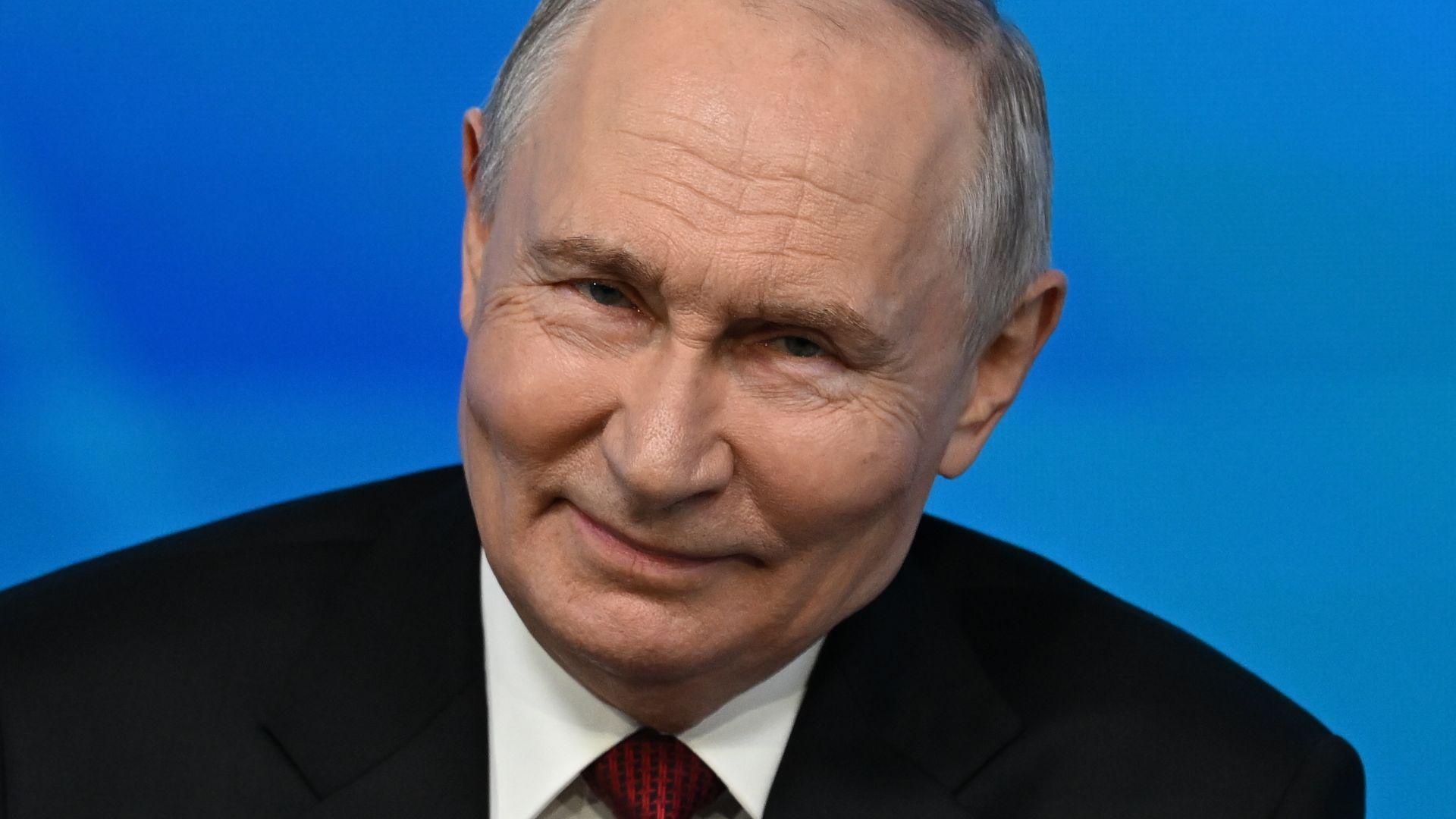
Vladimir Putin has declared that if Russia’s Baltic exclave of Kaliningrad is ever attacked, Moscow will use all weapons at its disposal, including nuclear, to protect it.
The president assured that the warning is not an overt threat, but a defensive response to what he sees as Western provocations. He cited increased NATO manoeuvres in the Baltic Sea and the risk of a potential blockade of the exclave, which would force Russia to employ every available force.
Earlier this week, a Russian helicopter allegedly crossed Polish airspace close to Kaliningrad, and Lithuania reported that drones were entering its airspace, stirring fears of a broader hybrid warfare campaign. In response, German Chancellor Friedrich Merz warned of further attacks on German infrastructure after a drone laden with explosives was found at Leipzig airport.
NATO’s Secretary General, Mark Rutte, has called the Kremlin’s rhetoric “unhelpful” and insisted that alliance exercises pose no threat to Russia. The Russian president also noted that while other nuclear powers possess comparable armaments, Russia’s arsenal remains unmatched in terms of scope and readiness.
Putin concluded his speech at the Valdai forum by urging the world to rethink warfare rules amid increasing AI and automation in military operations, warning that modern technology could “wipe away all life” if used without restraint.