In brief
Canada’s Parti Québécois has been projected to form a minority government in Quebec, a first since 2014. Paul St-Pierre Plamondon, the PQ’s leader, pledged a future referendum on independence while also announcing plans to eliminate provincial support for the monarchy. The outcome introduces a fresh test of Canadian unity, with federal Prime Minister Mark Carney preparing to mediate regional tensions that may include Alberta’s own secession discourse. The PQ’s victory follows a collapse of the former governing CAQ, reflecting voter fatigue and a shift toward addressing identity and language preservation. As one of the province’s leading parties, the Liberals and Conservatives also gained seats, while the PQ will need allies to pass its ambitious agenda.
The Parti Québécois (PQ), long‑running champion of Quebec sovereignty, has been projected to form a minority government in the province’s recent election. Paul St‑Pierre Plamondon will become the new premier, and the party is poised to pursue its most ambitious agenda yet, including a draft for a new independence referendum.
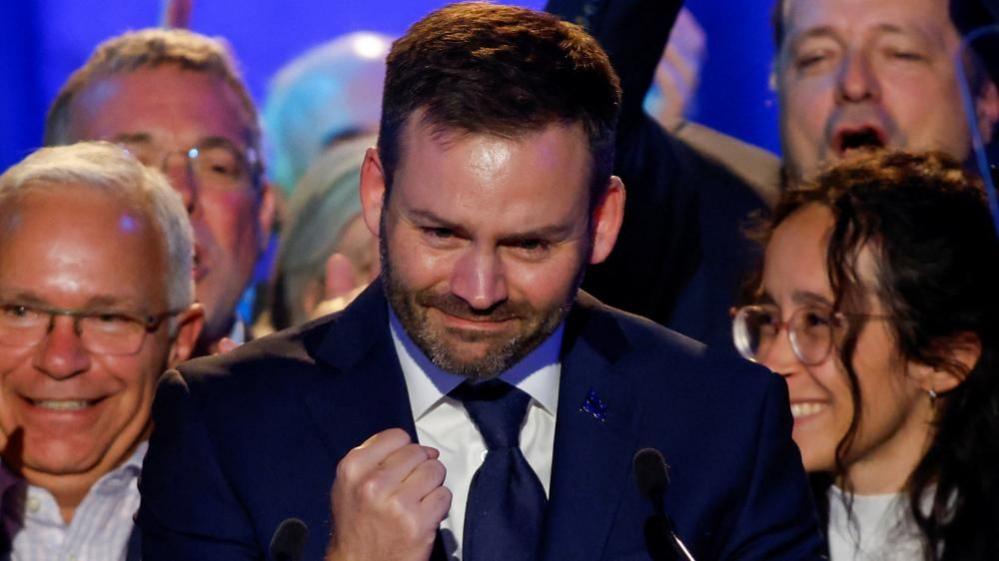
The PQ’s triumph marks the first time the party has held power since 2014, following a decisive collapse of the governing Coalition Avenir Québec. Plamondon’s victory speech pledged to “be the premier of everyone in Quebec” while urging the electorate toward a future vote on secession.
The party’s strategy relies on securing support from other parties to pass critical legislation—most notably a referendum bill. Internal polling shows roughly 30% of Quebecers back true independence this time, a sharp drop from the large majorities that failed in 1980 and 1995.
In addition to pursuing sovereignty, Plamondon has made it clear that he will confront Ottawa on any perceived overreach of federal authority. He has promised to abolish the monarchy’s role in Quebec, advocating a reallocation of funds from the lieutenant‑governor’s office to social services. This move is expected to trigger legal challenges but underscores a broader push for Quebec’s full autonomy.
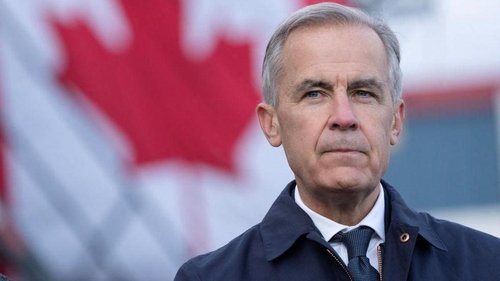
For Prime Minister Mark Carney, the PQ win adds a new strain to Canada’s unity crisis. The federal leader has publicly welcomed Plamondon, saying he looks forward to working together. Yet Carney faces the possibility of similar calls from Alberta’s rising secessionist mood, potentially testing Canadian cohesion on two fronts.
The provincial election outcomes also signal a shift in voter behaviour: the Liberals and Conservatives both gained seats, while the former CAQ did not secure any representation. Voters appear increasingly weary of the long‑running CAQ’s policies, especially its hardline stance on language and cultural preservation.
The next few years will be critical for determining whether Quebec’s quest for independence can gain legal footing, and whether the federal government can navigate the constitutional implications of a province stripping away its ties to the monarchy. The international community and domestic stakeholders will be watching closely as these historic debates unfold.