A U.S. government panel is scheduled to meet Tuesday for the first time since 1992, to deliberate on potential exemptions for oil and gas drilling in the Gulf of Mexico from the Endangered Species Act (ESA) due to unspecified national security concerns. Critics warn that such a decision could place the rare Rice's whale at greater risk of extinction, alongside threatening other marine life.
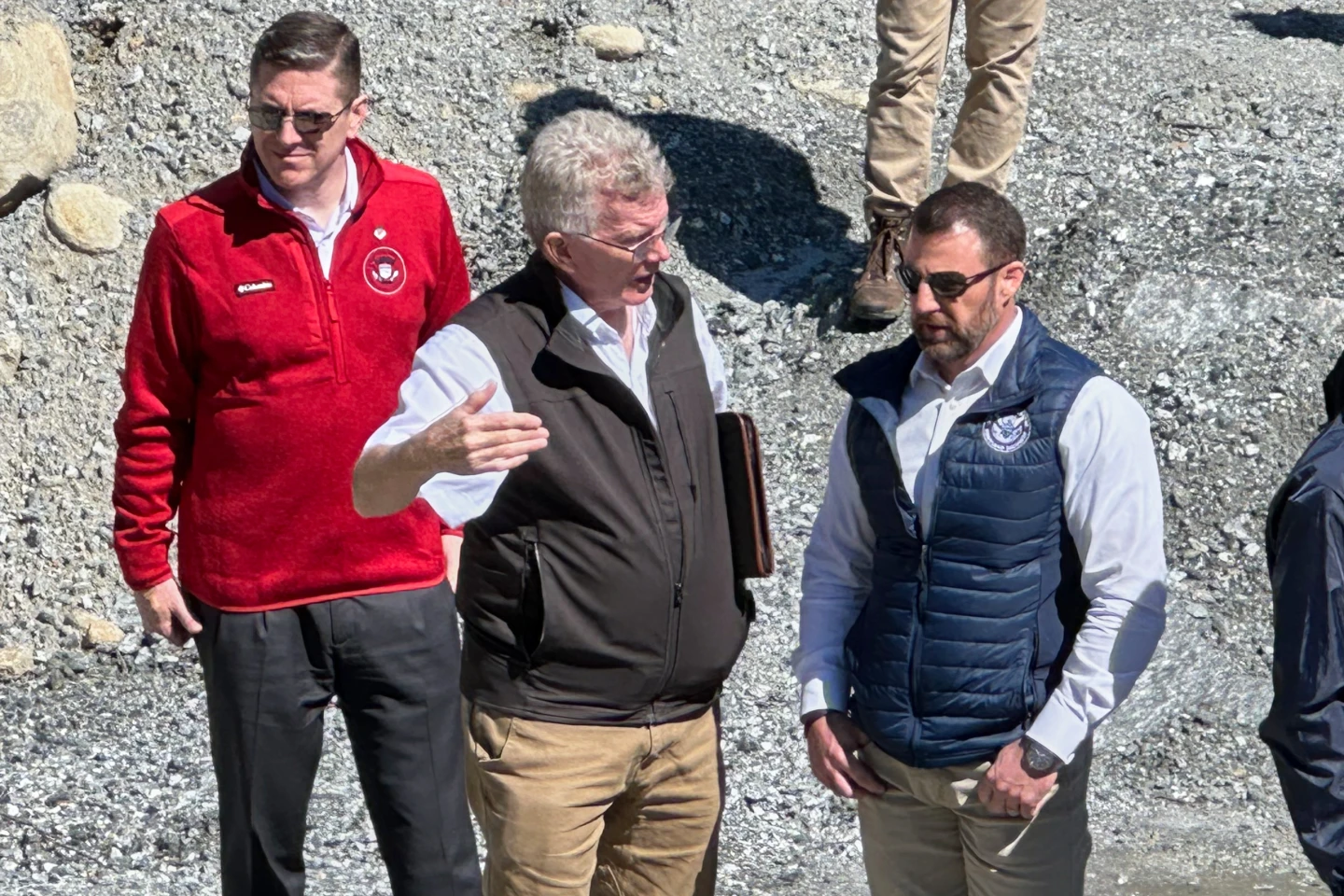
Referred to as the God Squad by environmental advocates, this Endangered Species Committee is comprised of several officials from the Trump administration, with Interior Secretary Doug Burgum at the helm. Advocates for environmental protection have voiced strong opposition to the impending exemption, fearing it could further endanger the already vulnerable species.
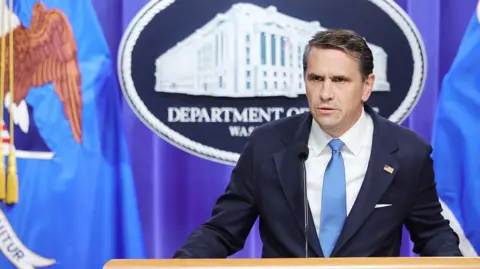
President Donald Trump has made fossil fuel production a pivotal element of his administration, proposing the opening of new areas of the Gulf for drilling while pushing for significant rollbacks of environmental regulations. Defense Secretary Pete Hegseth indicated in a recent court filing that exempting the oil and gas drilling from ESA provisions is necessary for national security reasons, although the specific rationale remains undisclosed, leading to increased scrutiny from environmentalists.
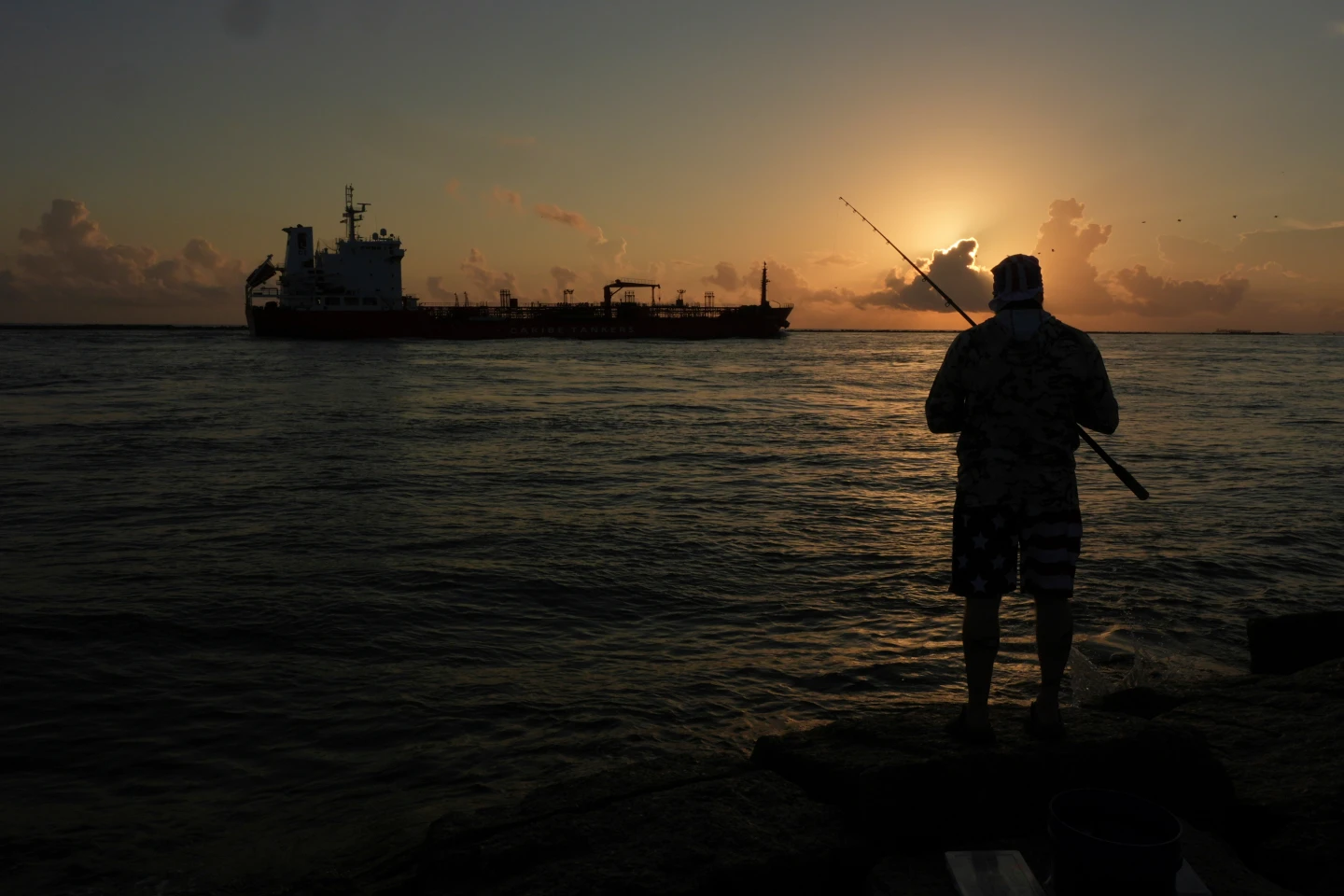
The Gulf of Mexico produces over 10% of the nation's crude oil and is one of the top regions for natural gas production. Yet, it has also seen its share of environmental catastrophes, including the infamous BP Deepwater Horizon oil spill in 2010, which wreaked havoc on both human and marine communities alike.
As part of their plea, environmentalists insist that the administration must provide detailed military justifications for the national security exemption, emphasizing that the potential ecological consequences could outweigh any purported benefits. Despite prior efforts to contest Tuesday's meeting, a judge deemed the requests premature, as no definitive decision has yet been made regarding the exemption.
The Endangered Species Committee has a limited track record, having met only three times since its establishment in 1978, and granted exemptions under very specific circumstances. Members of the committee comprise high-ranking officials from various governmental departments, who evaluate whether alternative solutions that could provide similar economic benefits are available.
The outcome of the committee meeting could set a precedent for future drilling activities in sensitive environmental areas, raising questions about the balance between economic interests and environmental conservation.