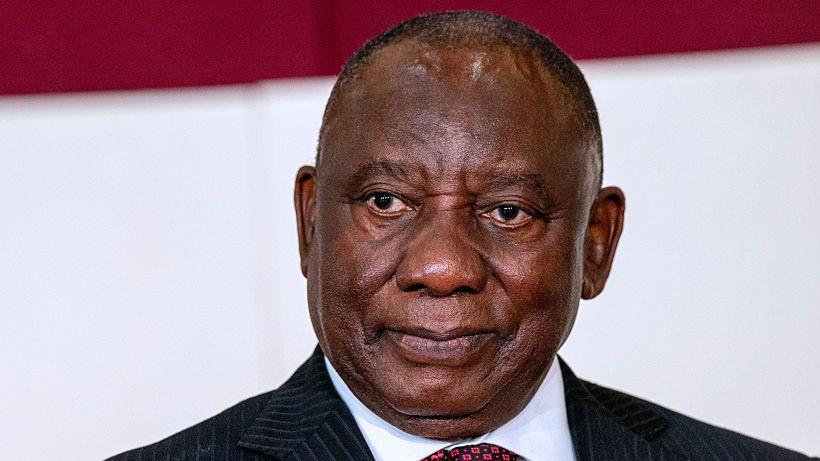
Ramaphosa has been haunted by the theft of large sums of cash from his private farm in 2020.
Background of the Farmgate case
In July 2022 an independent panel concluded that President Cyril Ramaphosa faced potential impeachment after burglars stole approximately $580,000 (about £430,000) from his farming property. The cash had been hidden inside a sofa and was believed to stem from livestock sales.
Ramaphosa dismissed the allegations, but a Constitutional Court ruling in May 2026 declared that Parliament had acted unlawfully in shelving the panel’s report, allowing the impeachment inquiry to be reopened.
Court intervention pauses the inquiry
High Court Judge Andre le Grange halted the parliamentary committee on Friday, pending a decision in Ramaphosa’s separate case contesting the panel’s findings. The order means the inquiry cannot proceed until the other litigation is finished, a move that the president hopes will protect his reputation.
Ramaphosa’s legal argument centers on the belief that the panel misinterpreted its mandate, misjudged the information presented and misread the four charges advanced against him. His supporters view the halt as a victory and a necessary pause before the investigation continues.
Implications and next steps
The suspension gives the president additional time to present evidence and possibly resolve the allegations. However, the Constitutional Court’s prior decision has set the stage for a revival of the impeachment process once the current injunction expires.
Observers note that the political landscape has shifted since the 2024 election: the African National Congress no longer holds a majority, and Coalisation dynamics may influence Parliament’s willingness to pursue the inquiry further.