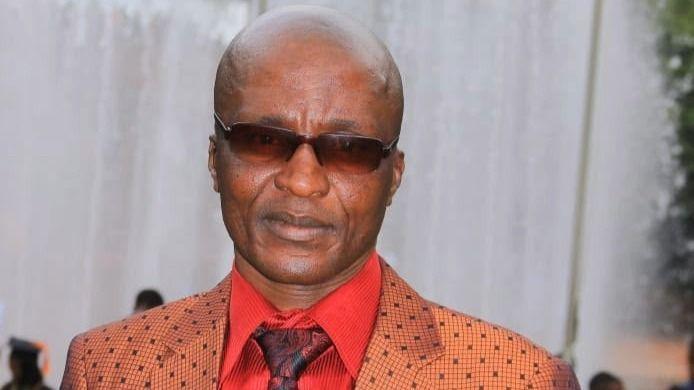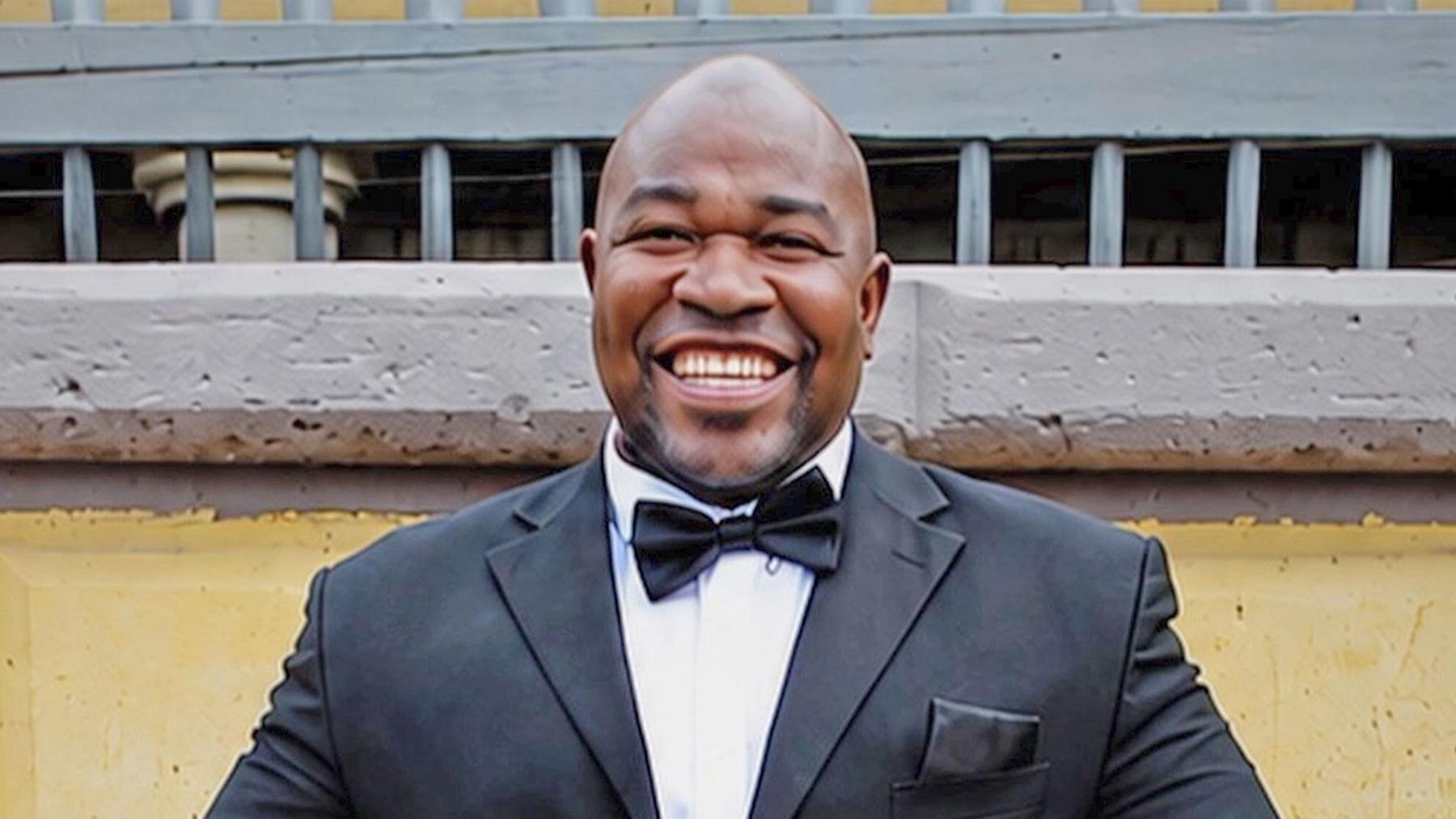
Detective Frans Mathipa, a senior officer in South Africa’s elite Hawks unit, was found dead in his car on a Pretoria motorway in 2023 after years of pursuing a sensitive investigation into alleged extremist activity.
The case that drove Mathipa to the front lines was centred on a former asylum seeker, Abdella Abadigga, who was allegedly smuggled back into South Africa and later, according to documents, abducted and killed by men linked to the country’s special forces.
Police records traced the final movements of Abadigga and his bodyguard to the Mall of Africa, where vehicles registered to a front company for special forces, Peters Communications Trust, were seen. CCTV footage identified the driver of a black BMW behind the detective as Maj Sunnybooi Wambi, a special forces officer.
Four weeks after the car chase, Mathipa’s car overturned on the highway, the fatal shoot‑out occurring as high‑velocity weapons – those exclusive to special forces – opened fire. The incident was captured on toll gantry video, providing key evidence of who was present at the scene.
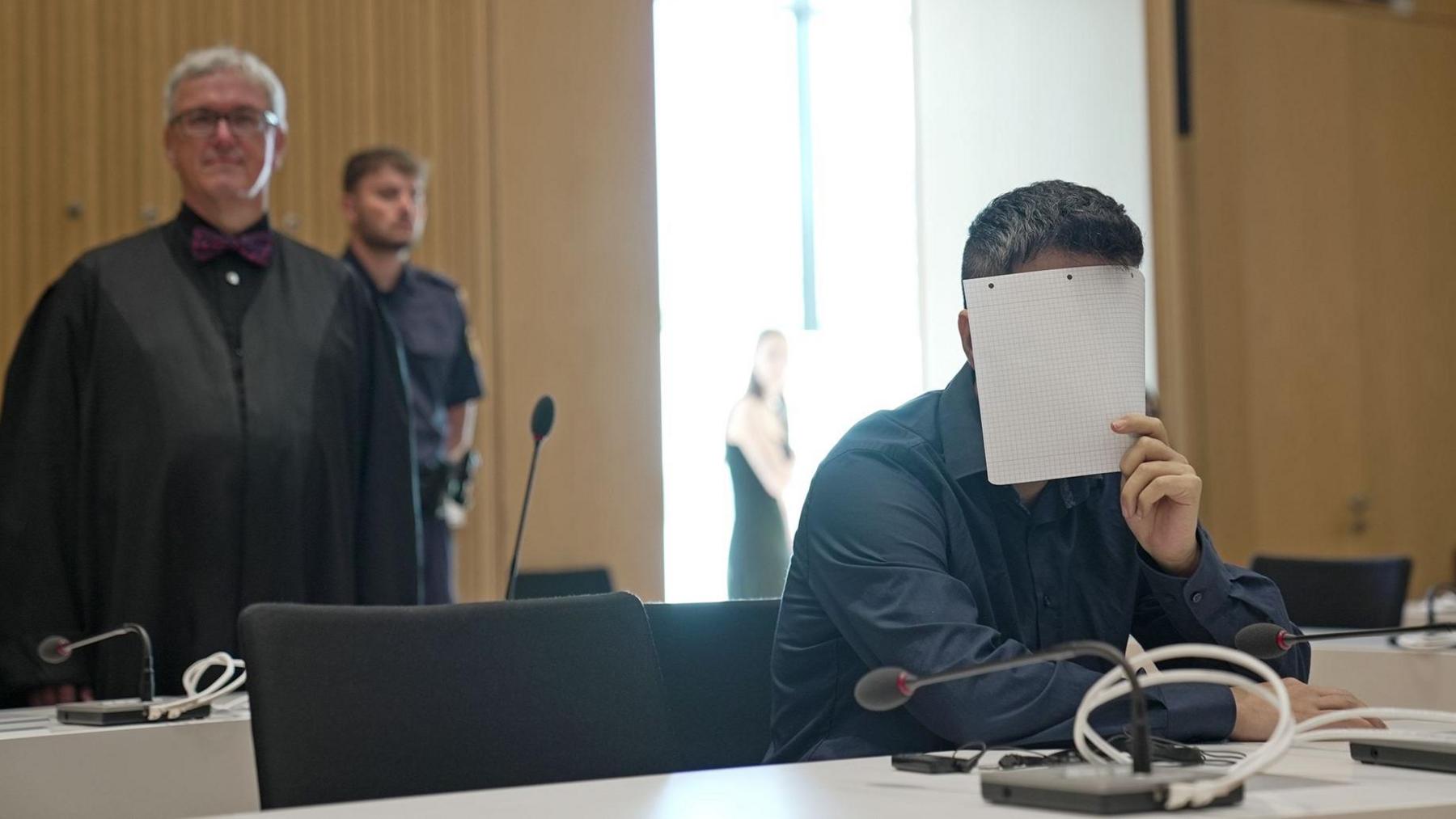
In August 2023, seven special forces men and a military police officer were charged with Mathipa’s murder, alongside allegations of fraud and obstruction of justice. Despite court orders including bail revocations and a demand to surrender, three of the accused have not complied, and the case lacks a scheduled trial date, fueling public and media scrutiny.
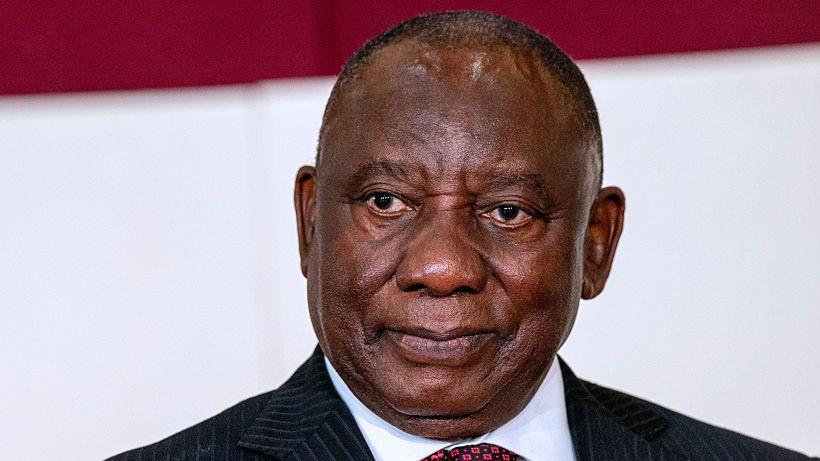
The military’s refusal to cooperate and its failure to disclose details of training exercises at the Mall of Africa have cast doubt on the integrity of the prosecution case. A former defence minister, President Cyril Ramaphosa and several high-ranking officers have remained silent, leaving gaps in the chain of accountability.
The legal proceedings are beset by delays. Lawyers for the accused cite mental health treatment, while prosecutors point to the need for thorough evidence collection. In the absence of a definite court timetable, many fear that justice will not be served.
For the victims’ families, the stakes are personal. Mathipa’s daughter, Basetsana, has campaigned for accountability, expressing frustration at the lack of closure and justice. Her public statements provide a human lens to the broader debate over civil‑military relations in South Africa.
Beyond the individual tragedy, the case raises systemic questions about the interplay between law enforcement, intelligence agencies and the armed forces. Critics argue that the special forces may have overstepped their mandate, while supporters stress the need for institutional secrecy in counter‑terrorism operations.
The story develops as information from police dossiers is released. The BBC and other outlets have reported that documents suggest deliberate attempts to coerce and intimidate investigative officers, hinting at a culture of impunity within the special forces.
The verdict remains pending, but the case stands as a pivotal moment for scrutiny of military conduct and judicial oversight in a democratic context.