Nigeria's President Approves Largest Military Expansion in Years
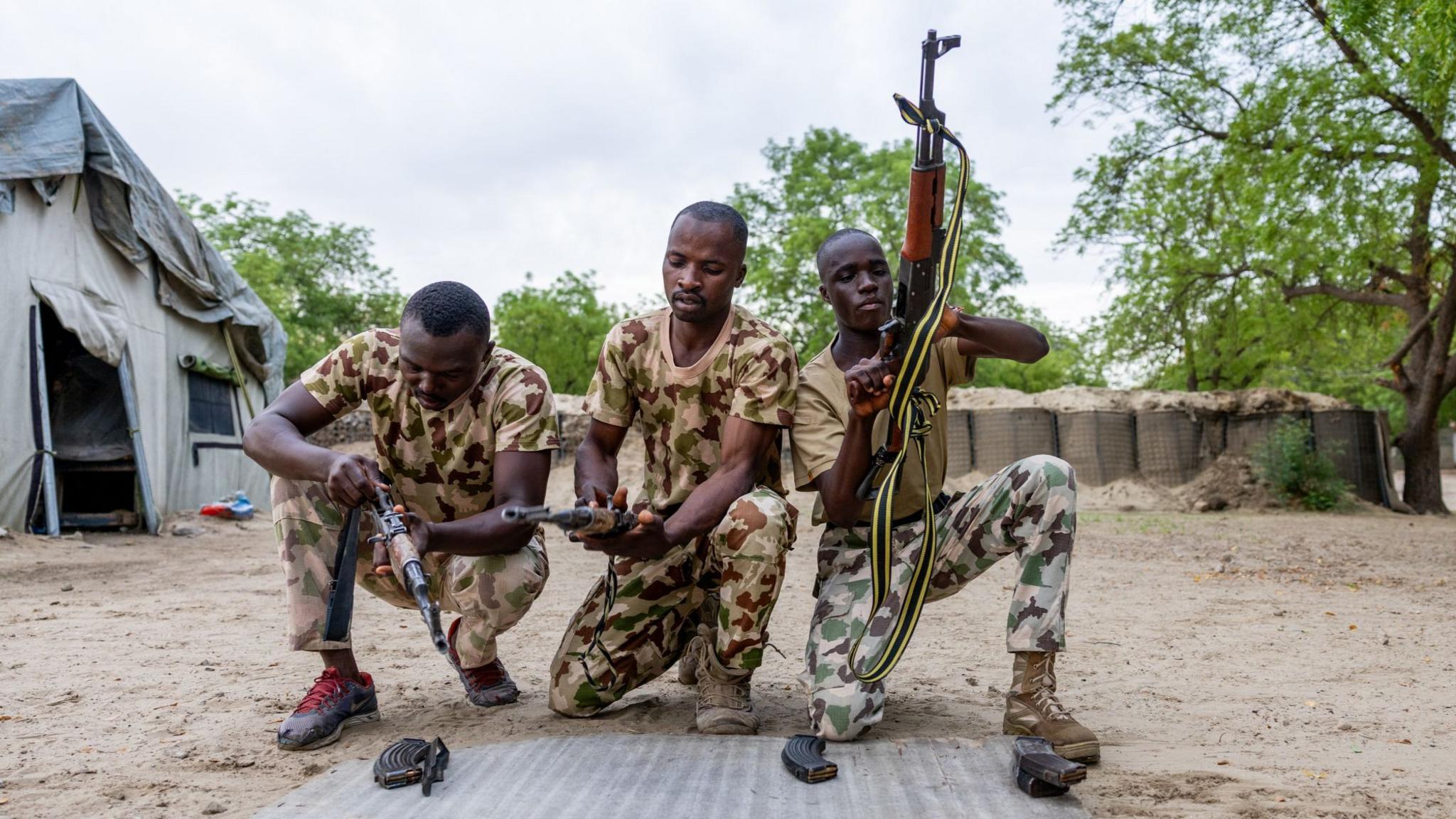
At 3 :17 p.m. Abuja, President Bola Tinubu announced a major reshuffle of Nigeria’s armed forces aimed at curbing a surge of violence across the country. The plan will add 28,000 fresh soldiers to the army and establish four new divisions, bringing Nigeria’s total to 12.
In addition to the divisions, the government will set up three new headquarters in the north‑east and central parts of the country – regions that have been the epicentres of Islamist insurgencies, banditry and farm‑herder clashes. The new units are expected to improve intelligence sharing and shorten the response time to attacks.
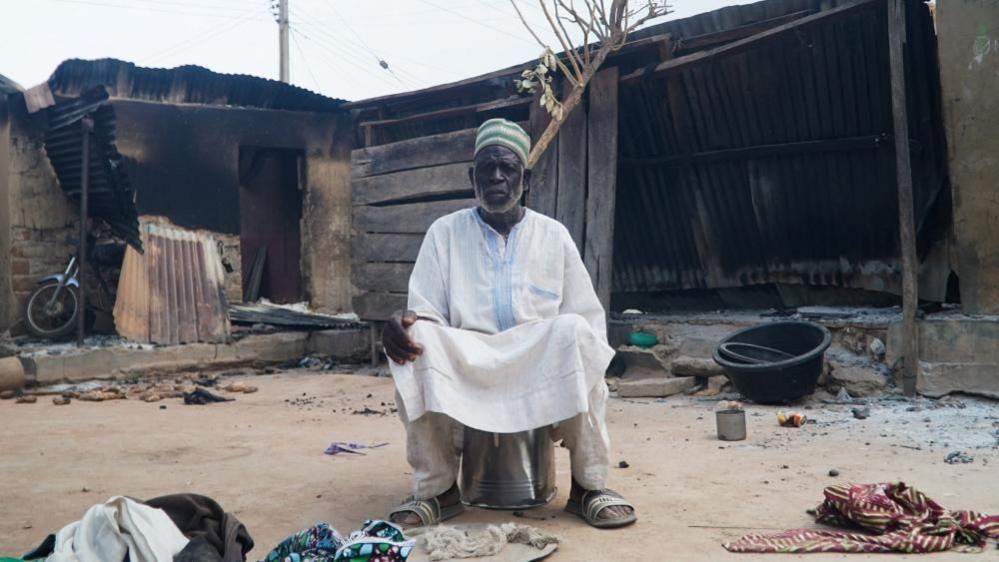
The expansion comes on the heels of recent attacks: armed gangs killed at least 20 villagers in Zamfara, and 46 students were kidnapped from a school in Borno before being rescued by the army. The president also pledged 50,000 new police officers and earmarked 5.41 trillion naira – about $4 billion – for defence and security in the upcoming budget.
Security analysts say the scale of the expansion is a strong signal to armed groups that the state will use force rather than negotiate. “If the army can concentrate force better, it sends a clear deterrent to those who threaten civilians,” one expert noted. However, critics argue that such a boost may not solve deeper economic and social grievances that fuel recruitment into militias.
Opposition leaders have called for transparent oversight, warning that an inexperienced influx of new soldiers could raise casualties if not properly trained. “Let us ensure they are ready for peace, not merely for more battles,” the opposition spokesperson urged.
The president’s agenda also includes a recent directive for armed groups to “surrender or face the full force of the state.” This statement follows a December joint operation with U.S. forces that reached a milestone by defeating the Iran‑linked jihadist group Lakurawa in the north‑west.
The move is part of a larger strategy to secure Nigeria’s borders and stabilize the Lake Chad Basin, a hot spot that has seen the most violence from Islamic State affiliates in the last decade. The government argues rapid militarization will curb kidnappings, extortion and other forms of banditry that have disrupted communities across the country.
For more on Nigeria’s security landscape, visit BBC Africa.