Vultures are disappearing in Nigeria – but the ‘Vulture King’ is fighting to reverse the trend
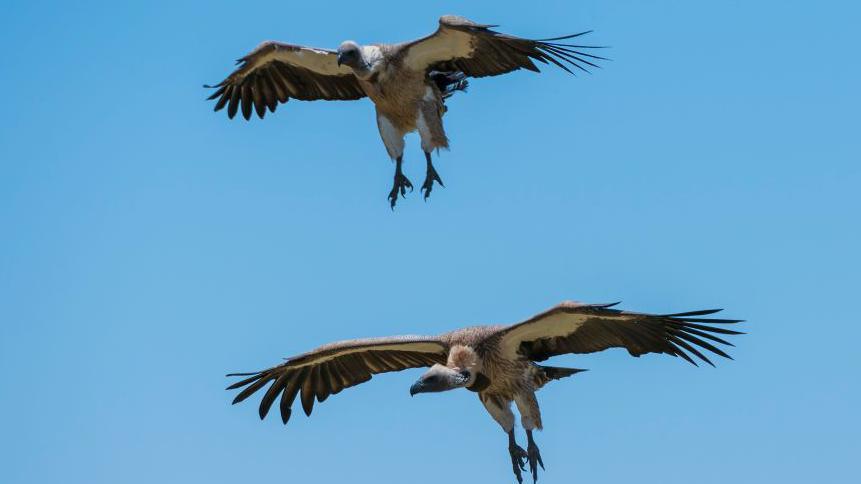
Vultures, often seen as ominous symbols of death, are disappearing across West Africa as hunting, poisoning and illegal trade accelerate their decline. In one part of south‑eastern Nigeria, residents of Awka‑Etiti are bucking this trend through community‑led conservation.
A sacred shrine and a living legend
At the heart of Awka‑Etiti’s forest lies a shrine devoted to the deity Nguma. An ancient tree serves as the shrine’s focal point and locals believe that vultures will land there after a sacrificial offering – a sign that the deity has been appeased. Chukwuemeka Igwe, a volunteer with the Nigeria Conservation Foundation, earned the nickname “King of Vulture” because he has spent years protecting the birds and spreading awareness.
Cultural beliefs, ecological importance and current threats
In many parts of Africa, vultures are hunted for traditional medicine and as parts of Vodun rituals. Insects of abounding bounty today, the birds’ keen stomach acids allow them to consume carcasses that might otherwise harbor disease‑spreading bacteria such as anthrax or rabies. Without flying scavengers, ecosystems risk worsening disease outbreaks, a danger health experts warn as vulture numbers plummet.
"We’ve heard shocking news that people are not just going for vultures anymore, they’re going for the nests and even the eggs," says biologist Stella Igbe of the Nigeria Conservation Foundation.
Community action turns the tide
Igwe regularly visits markets, buses and public spaces to tell people that vultures help keep the environment healthy. He has organised local bylaws that officially protect the animals and hired volunteers to monitor nests. In 2017 the town recorded roughly 20 vultures; today, community‑led counts list more than 160.
National and regional efforts
Nigeria has a key role in curbing illegal wildlife trade, with customs authorities seizing protected species and prosecuting traffickers. Yet enforcement alone is insufficient; education, as demonstrated in Awka‑Etiti, is essential for buying community cooperation. The West African Vulture Conservation Action Plan, due to be reviewed in Abuja this year, will address poisoning, habitat loss and trade.
Looking ahead
The resurgence of vultures in one town does not solve a continent‑wide problem, but it underlines what is possible when culture, community and conservation align. If more communities adopt similar models, the future of Africa’s vital scavenger birds may look brighter.