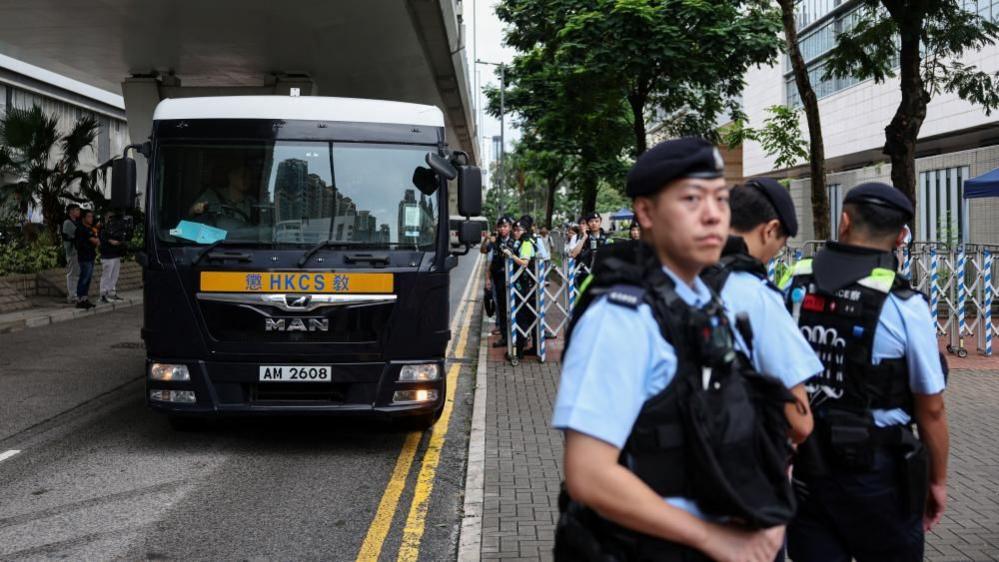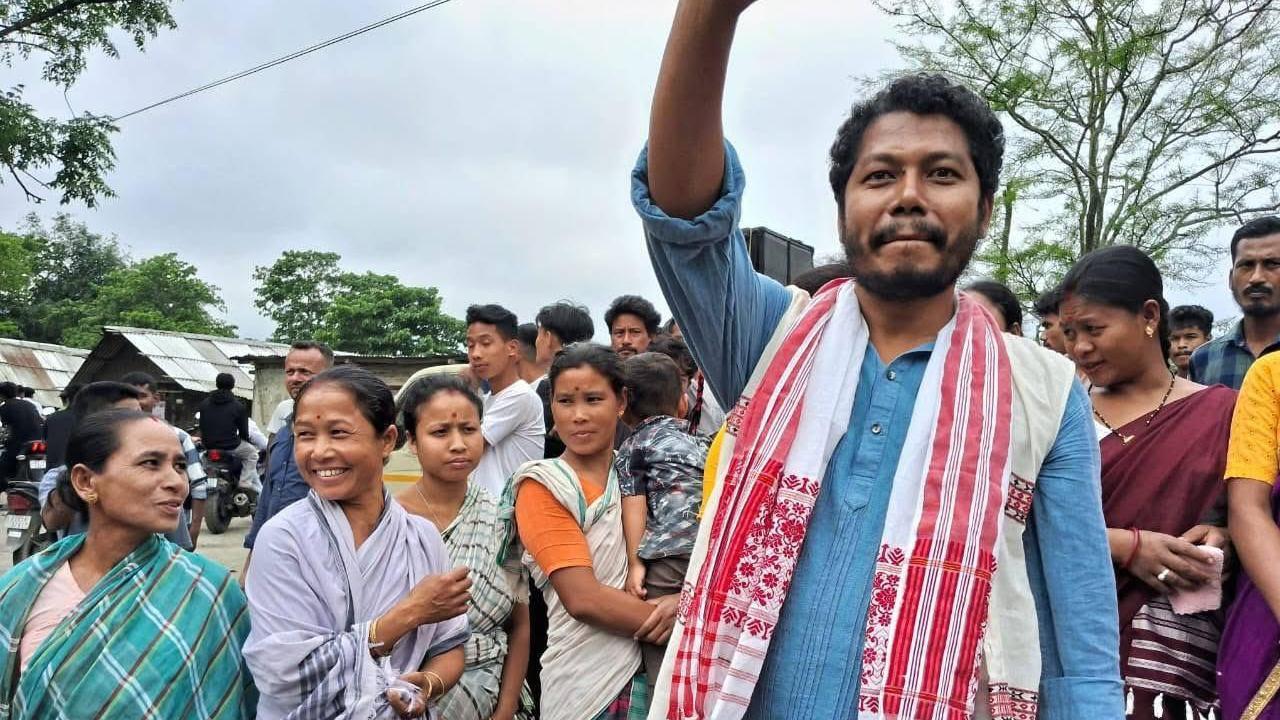
On 30 July, when Pranab Doley was due for release, his family and lawyer marched into the Anara Jamuok jail in Assam with the aim of bringing him home.
Doley, 40, had been arrested earlier that month after joining a June demonstration against a proposed five‑star hotel on ten acres adjacent to Kaziranga National Park, a UNESCO World Heritage site that shelters a rare concentration of one‑horned rhinos, elephants and tigers. The government cited 13 criminal cases registered against him since 2017, claiming a pattern of unlawful assembly, intimidation and violence, and framed suspicions of foreign money transfers underpinning overseas trips.
In a surprise move, the Assam authorities invoked the National Security Act—a broad statute that allows for prolonged detention without trial—after a bail order had cleared Doley and four other activists on 29 July. The court found that video footage did not corroborate the police’s claims of direct attacks on officers or attempts to set fire to construction machinery. Instead, it showed Doley engaging with officials and seeking dialogue.
The detention has provoked criticism from human‑rights groups who say the state is using a draconian law to silences an outspoken critic of the hotel. Doley’s lawyer, Mrityunjoy Pegu, stressed that only a handful of cases are still pending, and that Doley’s activism has historically focused on protecting local communities’ land and livelihoods.
At the heart of the dispute lies the ownership and use of land surrounding Kaziranga. Many families who have farmed the floodplain for generations argue they possess legitimate ownership records, while the administration maintains that the land intended for the hotel belongs to the state. Deputy Commissioner Biswajit Phukan has said the government is abiding by court orders on demarcation, though recent legal filings highlight that formal boundary marking has yet to occur.
The hotel project, announced in 2023 by the Assam government in partnership with the Saraf Group and backed by Juniper Hotels and Hyatt, promises jobs and tourism revenue. Critics counter that the development threatens ecological balance, disrupts wildlife corridors, and risks displacing vulnerable communities.
Doley's broader activism includes challenging extrajudicial killings in the park, fighting forced evictions, and demanding fair compensation for displaced families. He has repeatedly entered electoral frays in Assam, though he has never won a seat.
The current legal standoff stands as a test of the state's commitment to balancing development with conservation and human rights. Whether Doley will be released or remain in detention hinges on forthcoming court proceedings and wider public scrutiny.