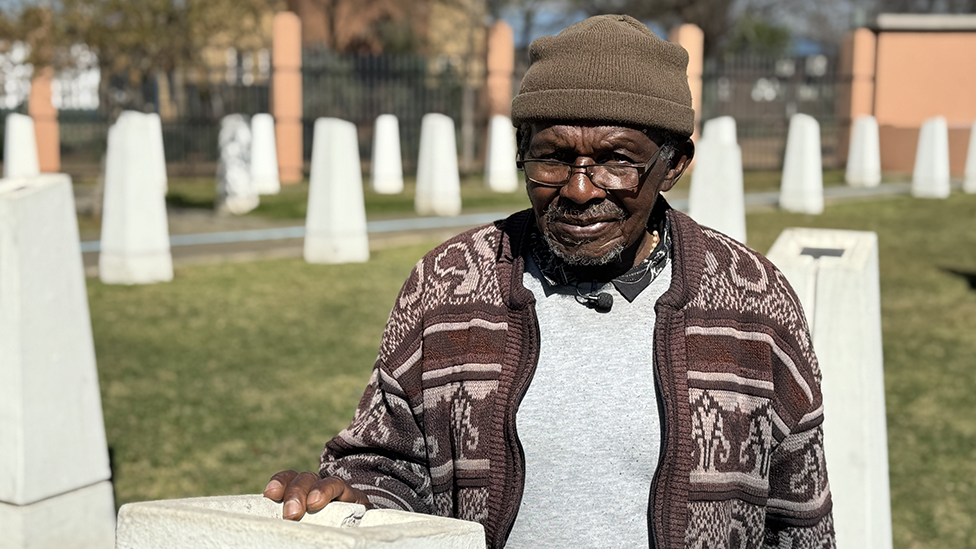
Abraham Mofokeng, now 86, carries the literal imprint of a bullet lodged in his spine—a reminder of the brutal police shooting on 21 March 1960 that claimed the lives of at least 69 protestors in the township of Sharpeville.
Mofokeng joined the march, then a peaceful protest, at the young age of 20, to oppose the apartheid regime’s pass laws that restricted black movement. He said that the people there “weren’t seen as people”, citing a system that demanded compliance and limited freedom.
The massacre exposed the violence of the racist regime to the world. Yet, in 1961 the government passed the Indemnity Act, shielding police and state officials from any criminal or civil claims for the killings. Decades later, the act remains in the South African statute book, hindering the pursuit of justice for many survivors and their families.
“The only thing the community is looking for is reparations and hope for healing,” said Charne Tracey, attorney for the case. The lawsuit, filed by Lawyers for Human Rights and UK firm Leigh Day, argues that the Indemnity Act is incompatible with South Africa’s post‑apartheid constitution, which allows existing law to remain in force until Parliament repeals it. If successful, a class action could enable up to 70 victims or relatives to sue the state collectively, opening the door to criminal charges against surviving perpetrators, if any remain alive.
Professor Frans Viljoen, a constitutional law expert, praised the effort to declare the Indemnity Act unconstitutional as part of “cleaning up” the legal landscape and “closing a chapter on the past.”
The Truth and Reconciliation Commission, chaired by Archbishop Desmond Tutu, granted amnesty to perpetrators who fully disclosed their actions, but it never granted amnesty to police officers involved in the Sharpeville killings, sparking criticism that it failed to deliver justice for the victims. The South African government has continued to support apartheid victims through compensation, yet acknowledges that survivors have not seen satisfactory reparations for the trauma suffered.
Many residents of Sharpeville now hope the court case will bring the kind of healing and closure they have long searched for—a healing that also respects future generations’ right to remembrance and accountability.