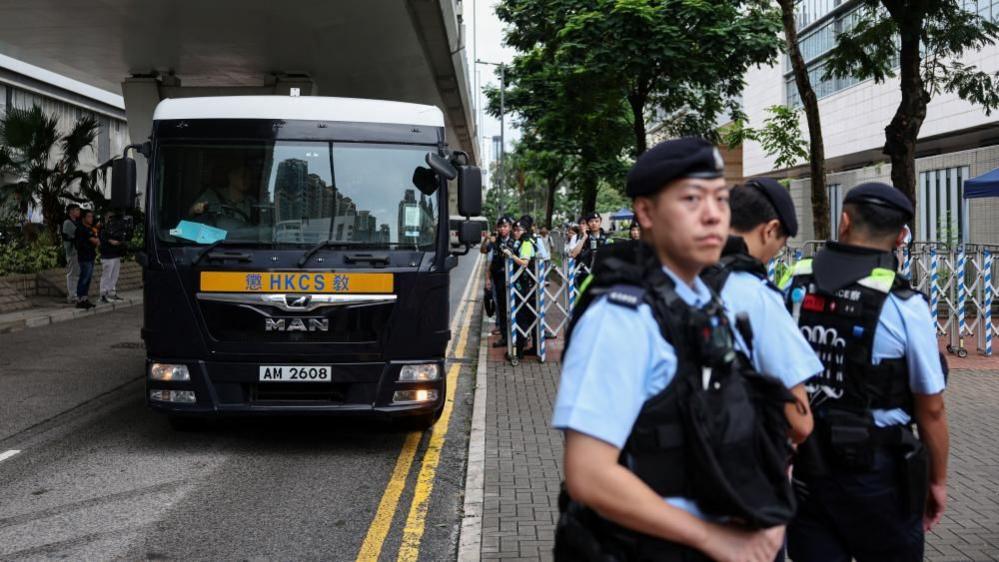
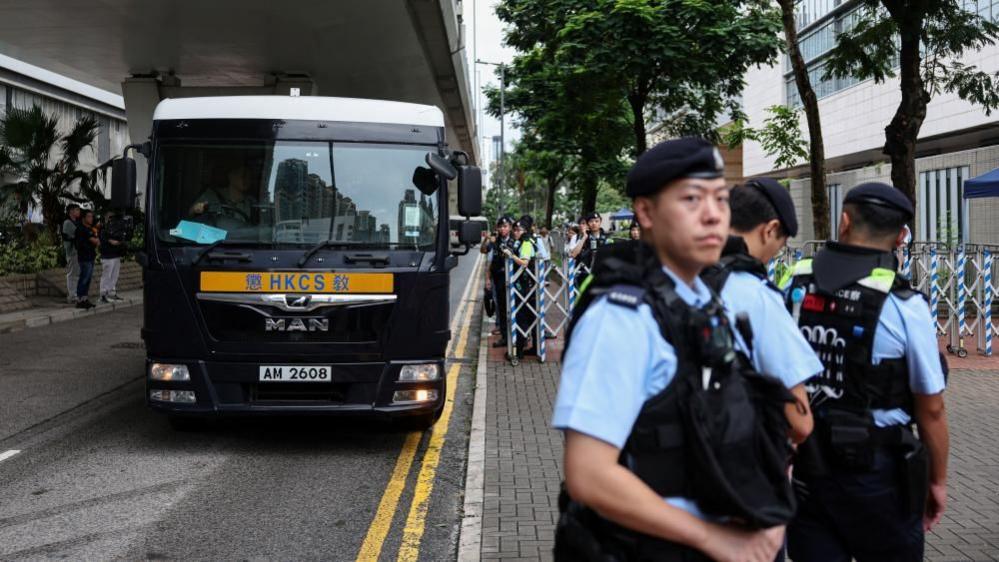
On a Thursday court in Hong Kong found two of the city’s most‑known defenders of democratic values, Lee Cheuk‑yan and Chow Hang‑tung, guilty of inciting subversion under the national security law introduced by China in 2020.
Lee, 69, and Chow, 41, will face sentences of up to ten years’ imprisonment. A third defendant, former legislator Albert Ho, 74, previously pleaded guilty in January. Sentencing is scheduled for later, with the court noting the accused have been in custody since 2021 when the charges were filed.
The prosecution argued that the activists, who led the now‑defunct Hong Kong Alliance, encouraged others to “endanger national security” in pursuit of human rights. Chow, who represented herself, highlighted that the law itself was under scrutiny, turning the courtroom both a judicial venue and a stage for broader debate about dissent.
The vigils organised by the Alliance had become an iconic space for free expression, allowing residents to gather in remembrance of the 1989 Tiananmen Square crackdown. Authorities banned such gatherings in 2020 under COVID‑19 restrictions, an action that coincided with the national security law’s enforcement. The absence of any resumed vigils has left many to question the space available for civil society in Hong Kong.
Human‑rights groups, such as Amnesty International, have criticised the case for relying on the law’s broad and interpreted definition of “subversion.” They warn that such provisions risk criminalising quiet political activism and dissent that is otherwise peaceful.
The sentencing remains pending, but the verdict signals a further tightening of dissent under the national security framework. It invites international observers and local citizens to reassess the balance between state sovereignty and civil liberties in Hong Kong’s evolving political landscape.