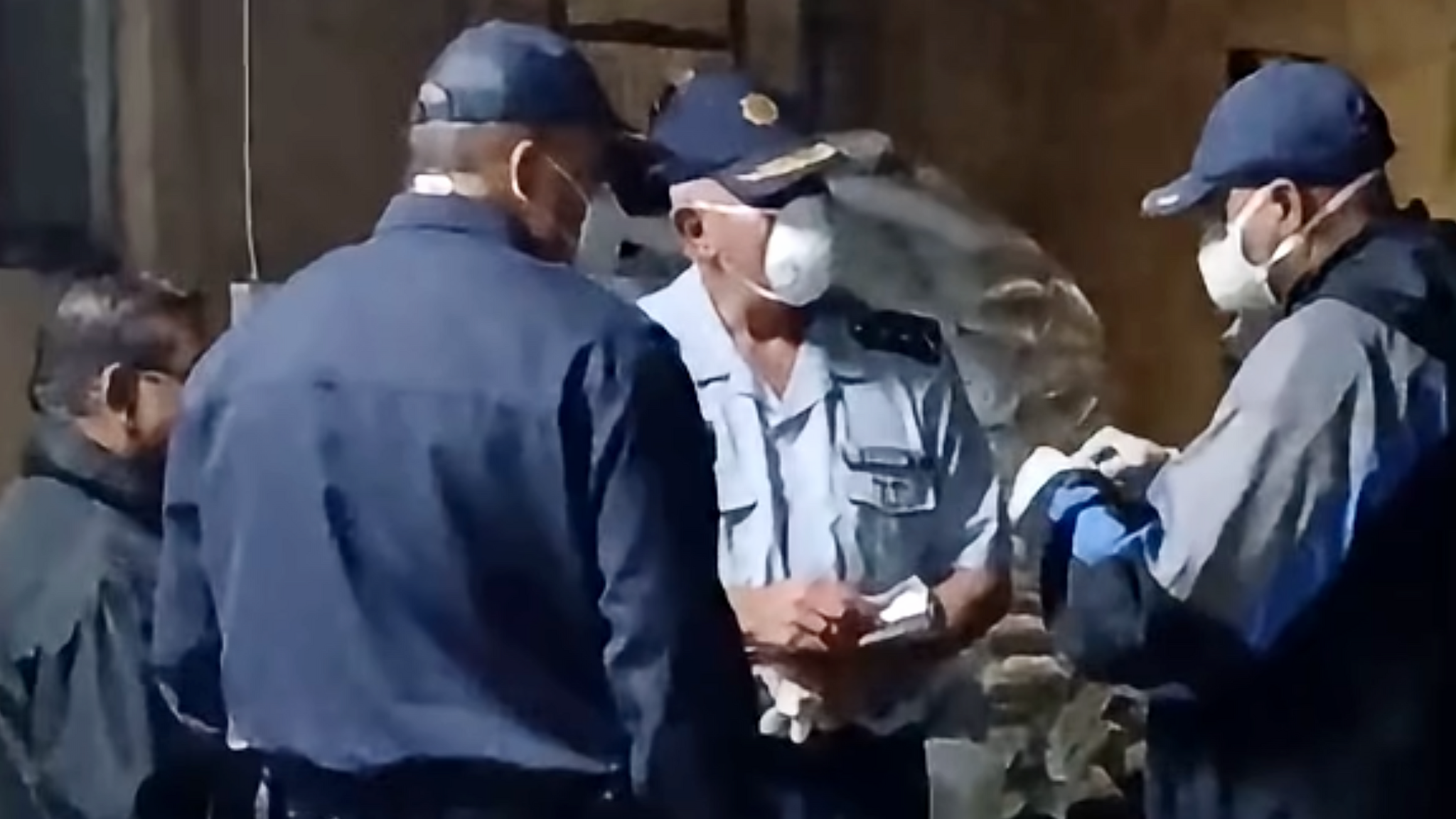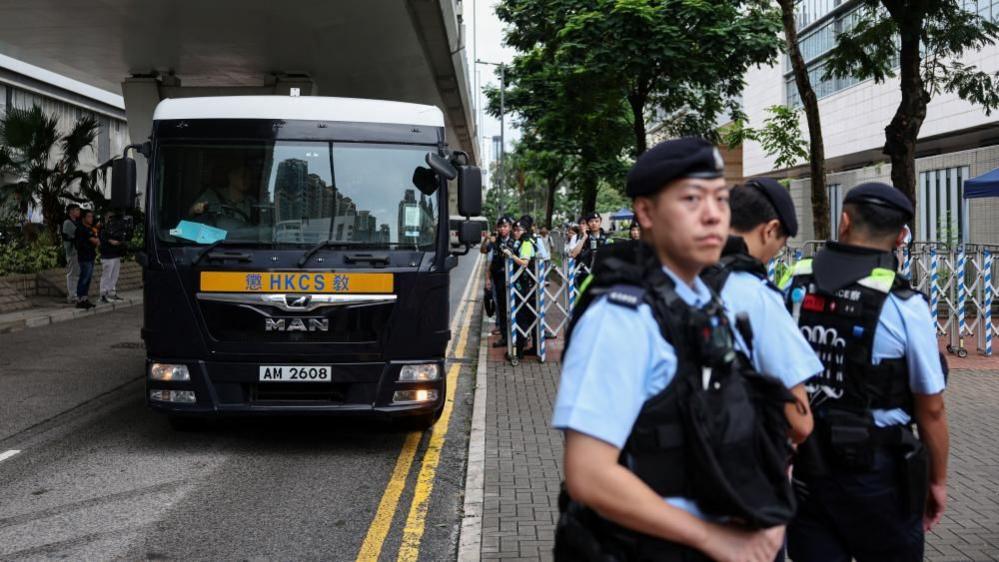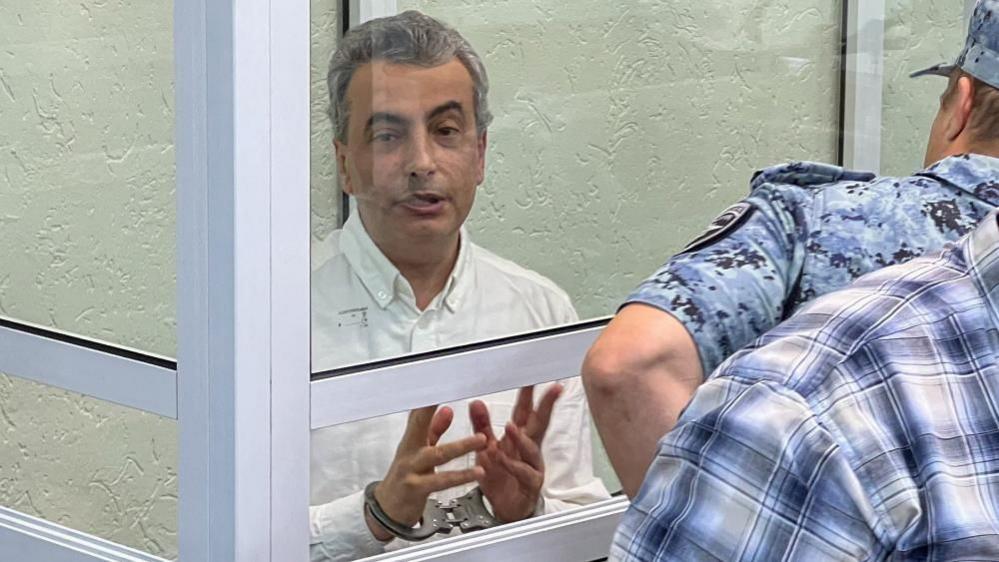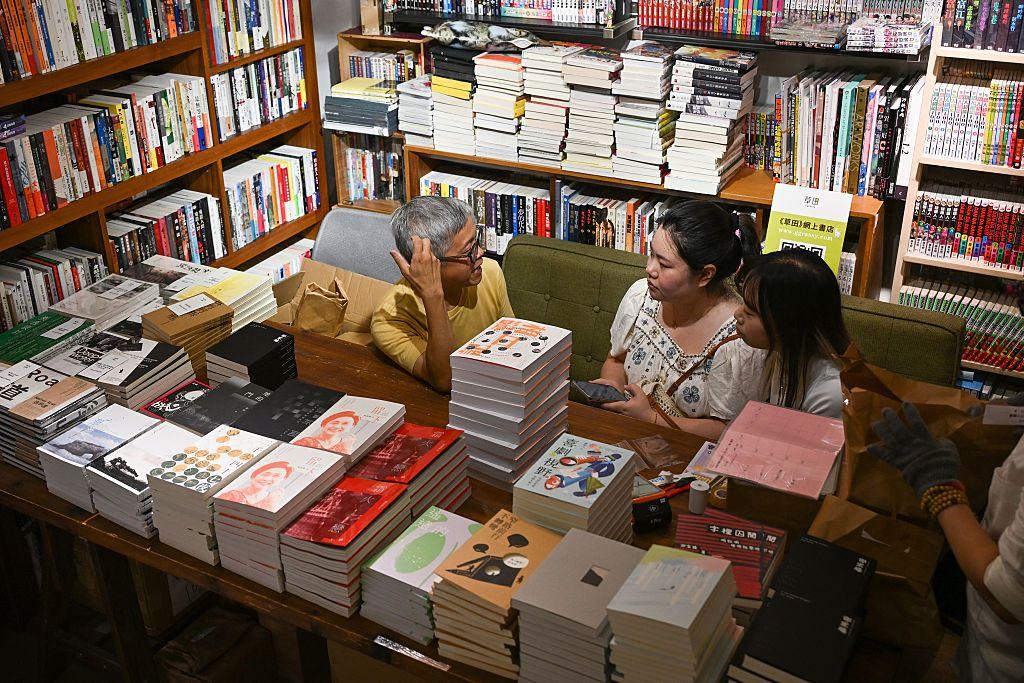
When Chen Zhu travels from Guangzhou to Hong Kong every month, she heads to an independent store in Sham Shui Po that has earned a reputation for stocking books considered “sensitive” by mainland authorities. In the cramped shelves she finds titles that trace the city’s pro‑democracy movement, allegories of authoritarianism and histories of the 1989 Tiananmen Square protests. That freedom of access has evaporated after police raided the bookshop on 24 June, alleging that owner Letitia Wong and a second man had violated the new National Security Law.
The crackdown has accelerated. In March the state force arrested the proprietors of another independent shop, Book Punch, and confiscated a biography of jailed journalist Jimmy Lai. In July, when the Hong Kong Book Fair opened, police searched two more stores – Greenfield and Have a Nice Stay – and detained five people on sedition charges. Greenfield’s owner posted that the store would close after the lease ended, marking the third shop shuttered in one month.
Local readers retain a loyal following, but the atmosphere is shifting. Liu, a 19‑year‑old Shanghai student, says the safe feeling she once had in Hong Kong is fading; she now worries whether any of these independent outlets will exist the next time she visits.
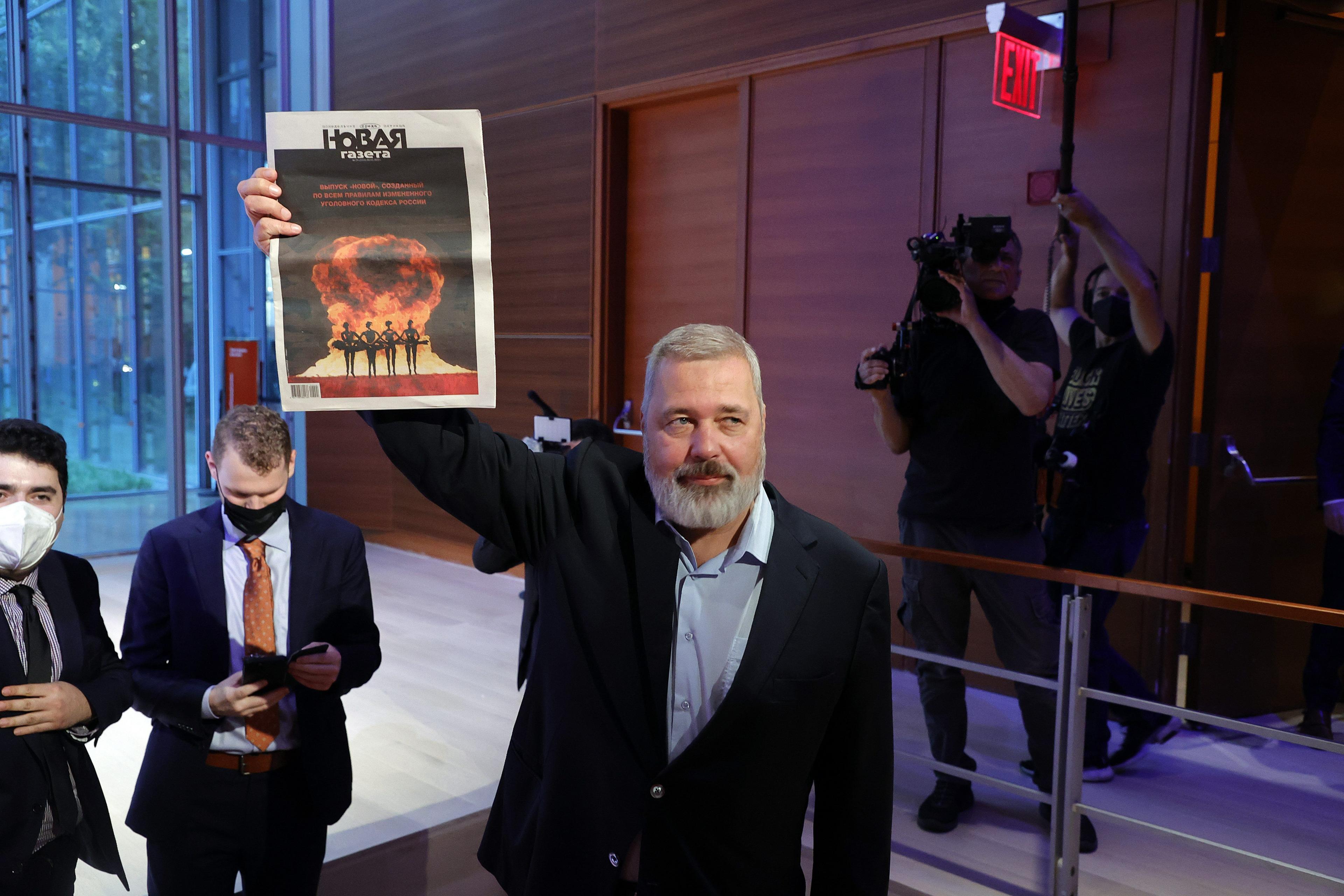
In mainland China, meanwhile, the book trade has also tightened, with police visiting shop owners, cutting power to book‑screening events, and making it perilous for distributors to hold public talks. A former Guangzhou bookseller reports that the curtailment of discussion has slowed what was once a vibrant space for civic debate.
Yet the act of buying a book remains a silent protest – a “quiet way” of showing support for ideas that might otherwise be illegal. For Chen and her friends, the shelves of a once‑open bookstore are a space where the boundaries of forbidden knowledge feel negotiable. As the state clamps down, that sense of possibility is disappearing, leaving readers forced to carry papers back home with caution, stashing them inside garments to avoid customs confiscation.
The media response echoes the legal backlash. The mainland‑controlled paper Wen Wei Po criticised several shops for “soft resistance,” while newspapers like the shuttered Jimmy Lai‑led Apple Daily became emblematic of the new enforcement. The effect is a chilling atmosphere: readers expect to find “red lines” ready to shift, and the threat of arrest looms over every shelf.
Nonetheless forums and community gatherings continue, even if moderated. Despite the increasing curfew on discussions, expressions of solidarity and the exchange of ideas take on subtler forms—sticky notes with reflections next to books or the subtle display of messages of encouragement. Readers, across the divide, press on, hoping that freedom of thought can remain preserved, at least in private bookshelves and in pockets of resistance.