Ghana Takes Lead in the Global Call for Slavery Reparations
The global discourse on the trans‑Atlantic slave trade has shifted dramatically this year, turning the debate from academic history into a contemporary call for apologies, debt relief and financial compensation from the former slave‑owning nations and institutions that profited from the exploitation of millions of Africans.
A United Nations resolution passed in March, which the United States rejected and every European state abstained from voting on, calls slavery “the greatest crime against humanity.” The United Kingdom—long a dominant force in the slave trade—has repeatedly objected to the idea of paying reparations, citing estimates of losses in the trillions of pounds. Nevertheless, the country that has become the leading voice on the subject is Ghana.
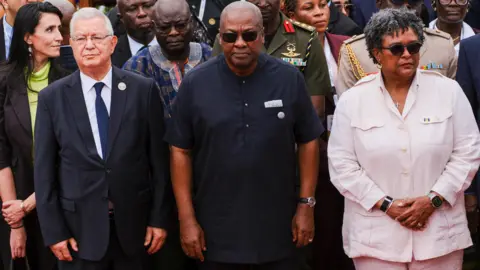
Ghana tabled the UN resolution and hosted a historic summit in Accra in June, where delegates from 80 countries concluded that reparations were long overdue. Ghana’s Foreign Minister, Samuel Okuzeto Ablakwa, announced that Africa’s special responsibility has been recognised by the African Union, and Ghana is to act as the “champion for reparatory justice.” According to Ablakwa, 10–15% of the estimated 12 million Africans who were forcibly taken from their homes were from her country, making Ghana “the crime scene” of the atrocities.
Ablakwa called for reparations that fund educational grants, venture capital for young African entrepreneurs, and research into health issues that some tie back to the severe malnutrition and inhuman conditions of enslaved people. He clarified that these requirements are “not about direct financial gain for African leaders” but about reconciliation and equity. He also demanded that institutions such as the Church of England, whose 18th‑century missionaries ran plantations and owned slaves, be held accountable and give compensation.
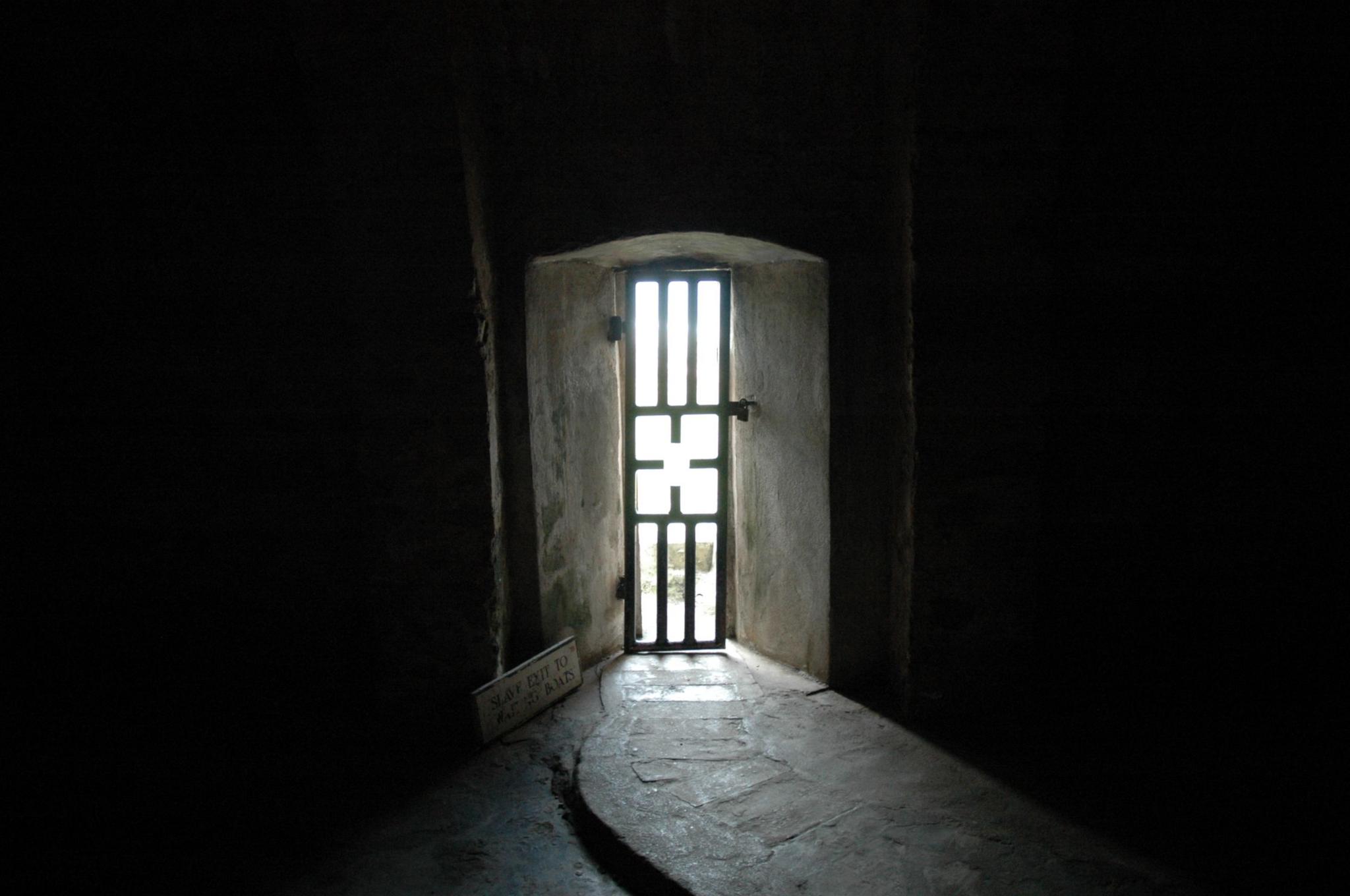
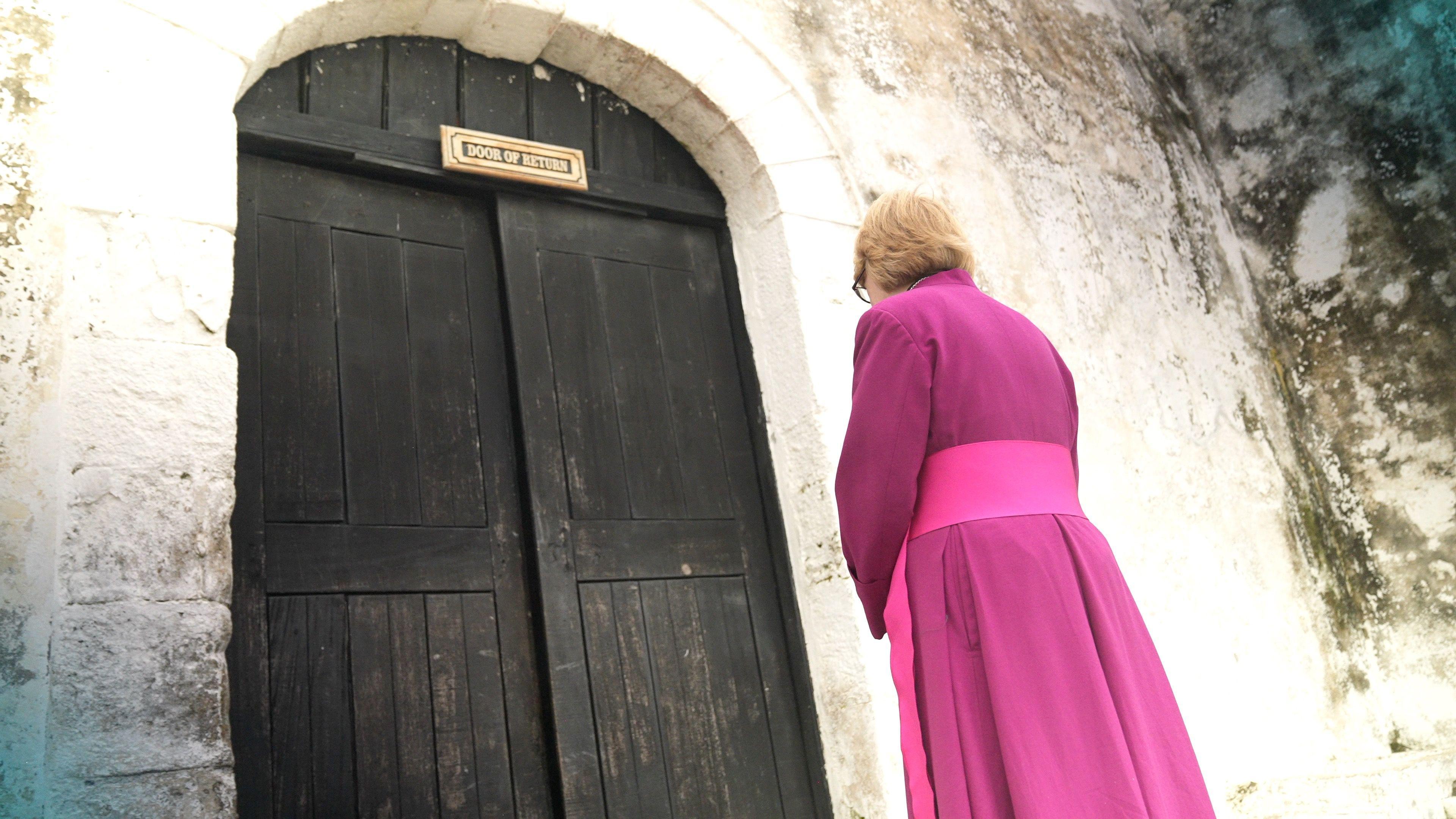
The Archbishop of Canterbury, Dame Sarah Mullally, visited Ghana and prayed at the Door of No Return in Cape Coast Castle, reflecting on the weight of the atrocities. she highlighted the Church’s pattern of profit derived from slave ships and urged concrete action beyond apologies.
Within Ghana, the narrative of complicity is complex. The Ga Mantse King Tackie Teiko Tsuru II publicly apologized for his ancestors’ involvement in the slave trade and called for financial reparations. He positioned his apology as a moral prerequisite, not a personal or national offence, stating that “the trauma continues to affect societies to this day.” The King’s stance is part of Ghana’s broader campaign to invite the African diaspora back to the continent, positioning the initiative as a “repair” rather than mere tourism.
While the tourism sector initially embraced the initiative as a form of “beautiful, profound experience,” it soon became commercialised, restricting local access and leading to higher prices to visitors, including diaspora members. Asare, a Ghanaian PhD student working for the Diaspora Office, echoed concerns that the focus has shifted from healing to profit, urging that reparations address the deeper psychological wounds left by the Atlantic slave trade.
The discussion underscores how reparatory justice must balance public apologies, financial restitution, and cultural healing. Ghana’s leadership in both advocacy and apology – coupled with the global debate on historic injustice – promises to reshape conversations on how the legacy of slavery can be righted in the 21st century.
For more coverage, listen to BBC Africa’s “Focus on Africa” podcast.