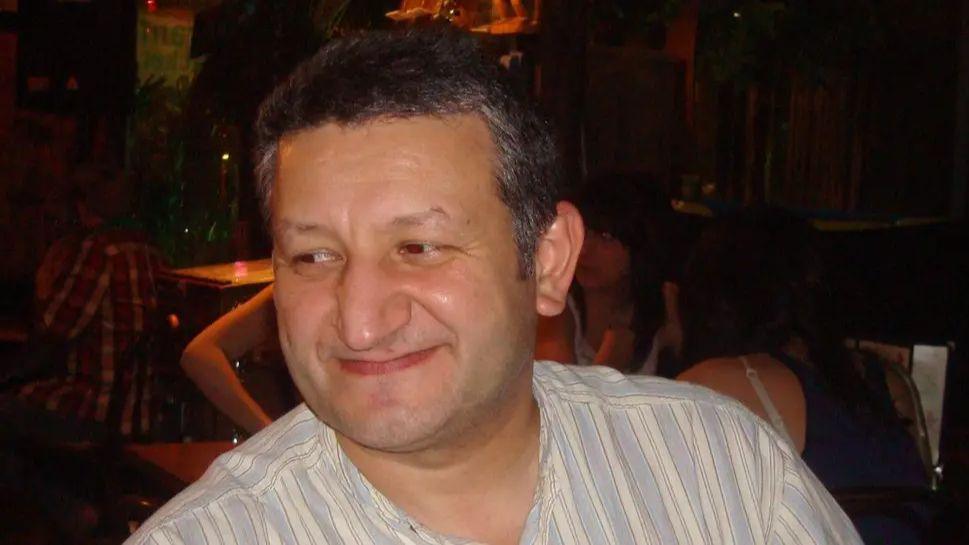
A diplomatic row has erupted between South Africa and Ghana over the alleged murder of 40‑year‑old Ghanaian tailor Bashiru Isak on Tuesday in Cape Town’s Khayelitsha township. The Ghanaian foreign affairs ministry sent a formal protest, demanding a transparent investigation and the repatriation of Isak’s body.
South African officials, including Justice Minister Lize Nzinga, denied any link between the killing and the anti‑migrant protests that set an unofficial "deadline" for undocumented foreigners to leave the country. Police said they had no record of a Khayelitsha murder and were simply investigating a separate shooting of 35‑year‑old Ghanaian Kwabena Boagen in Nyanga township, a case tied to an extortion‑linked crime.
Ghana’s statement called the taking of any life "unacceptable" and urged South African authorities to "adhere to its international obligations to guarantee the safety, dignity and rights of all foreign nationals on its territory". The ministry also urged Ghanaians staying in South Africa to avoid high‑risk areas.
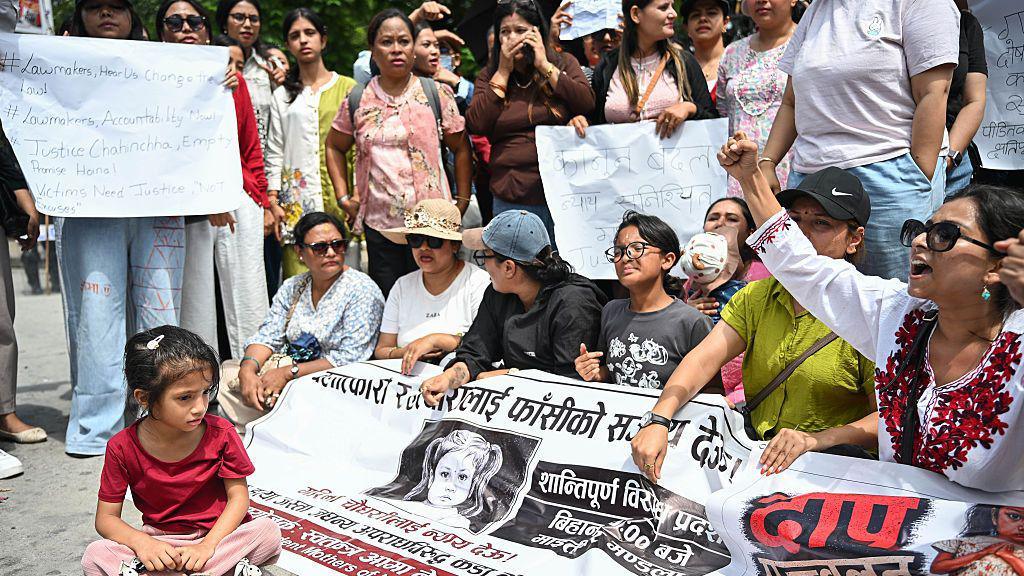
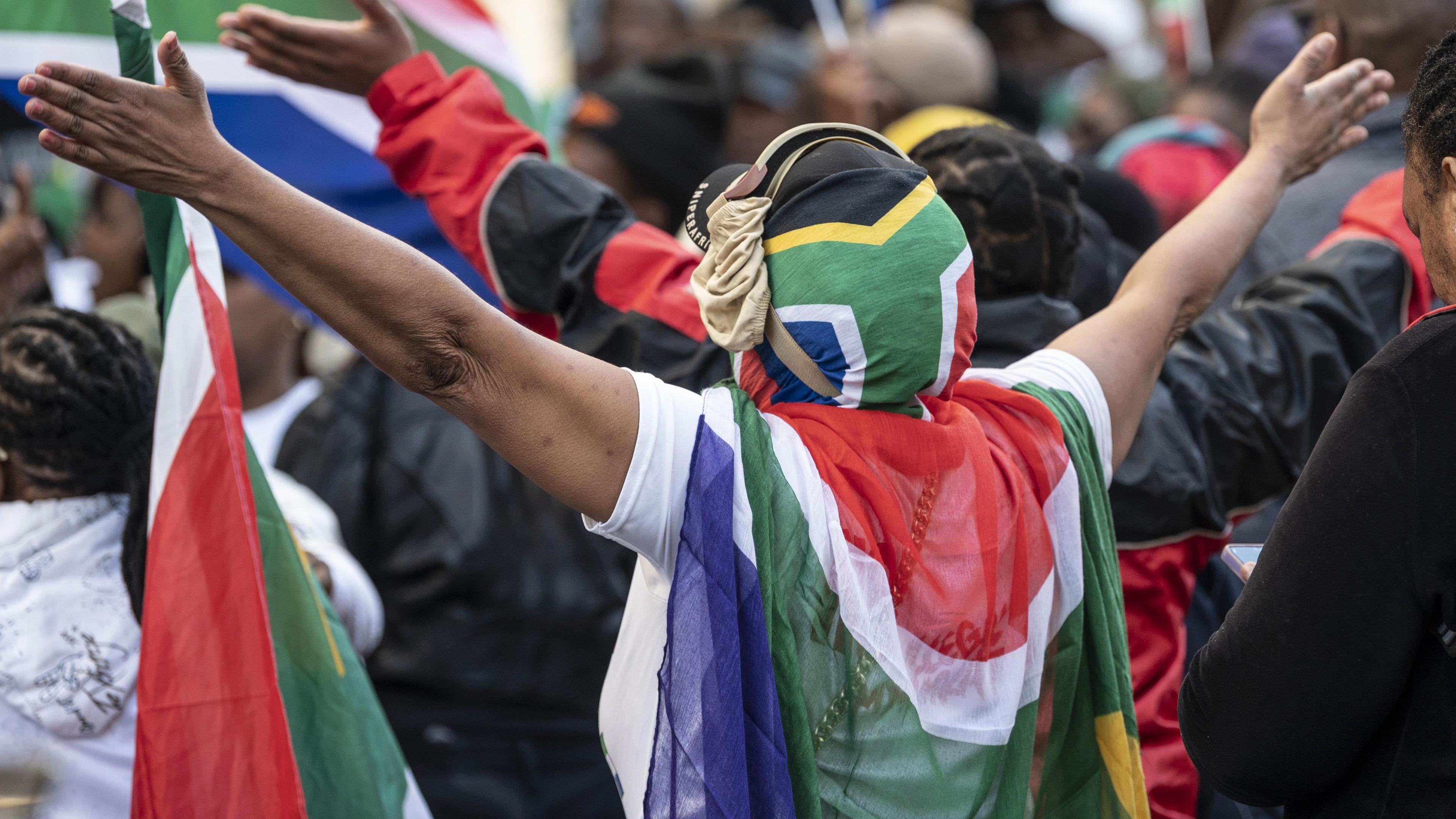
The mass protests on Tuesday were largely described by police as peaceful, although about 900 people were arrested for immigration‑related offences and looting. The protests coincided with the departure deadline set by anti‑migrant groups, prompting the repatriation of roughly 25,000 citizens from Ghana, Malawi and Nigeria.
Social media and radio reports suggest Isak was accused by groups of taking over South African jobs before being shot at his shop—a claim that South African officials dismiss as a fabricated tale. The police have requested detailed evidence from Ghana to probe the Khayelitsha incident further.
With an unemployment rate exceeding 30%, South Africa remains a magnet for low‑paid migrant workers. The escalating anti‑migrant sentiment has drawn international criticism, and the current diplomatic row underscores the urgency for a thorough, impartial investigation and collaborative border security measures.