Australia’s Wildlife Saves Hope Amid Extinction Crisis
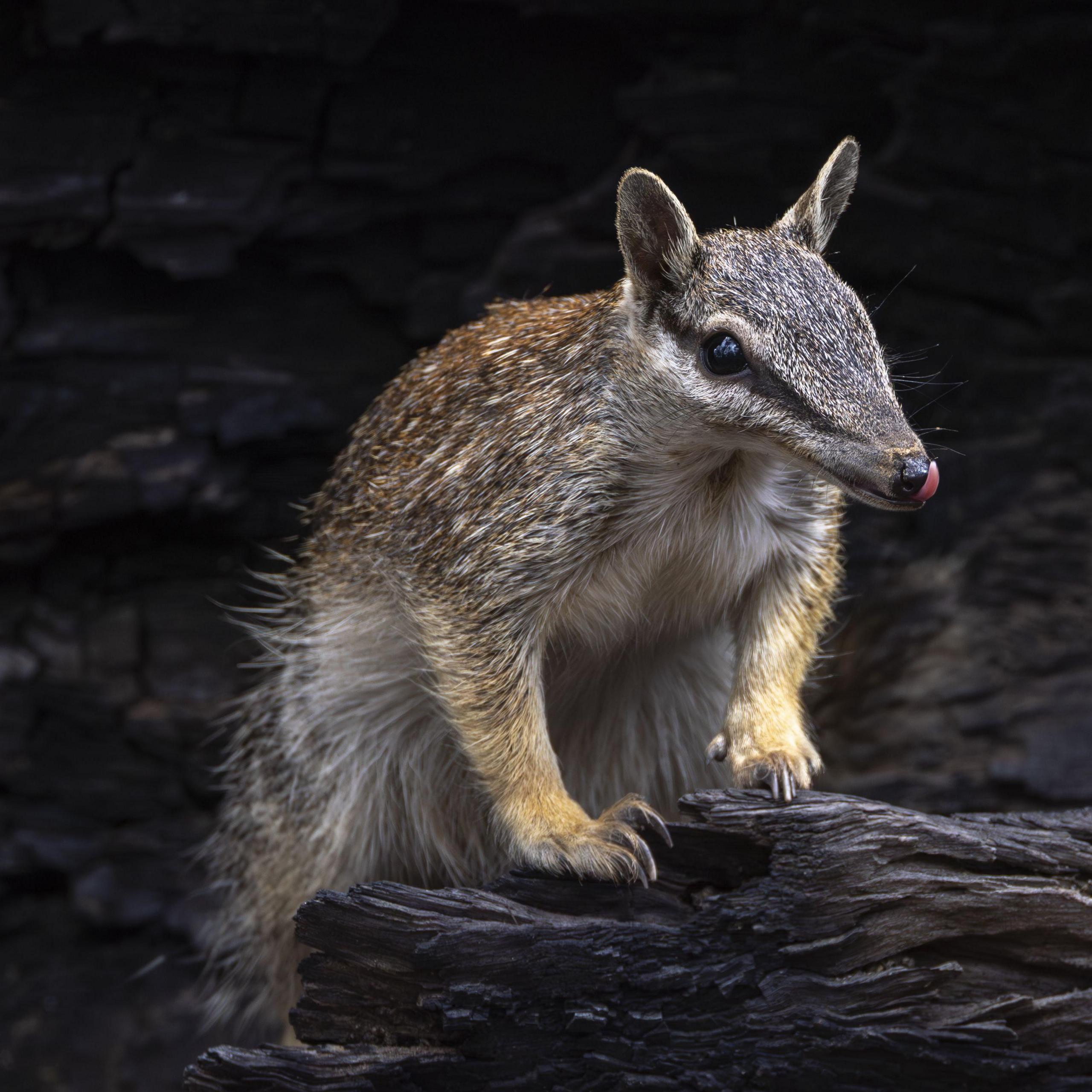
Australia is increasingly recognized as a global hotspot for species extinction, losing about four species each decade, yet the plight of the numbat—a rare marsupial—offers a glimmer of hope. Intensive fieldwork in Dryandra Woodland tracks numbat populations, showing a rise from less than 50 individuals to around 3,000 nationwide and a status shift to near‑threatened.
The team’s annual “numbat drive” involves a team of volunteers driving a pick‑up along bush tracks, scanning tops of logs for the small, well‑camouflaged marsupial and recording its GPS coordinates. This meticulous data feeds into a model that estimates overall density and informs conservation decisions.
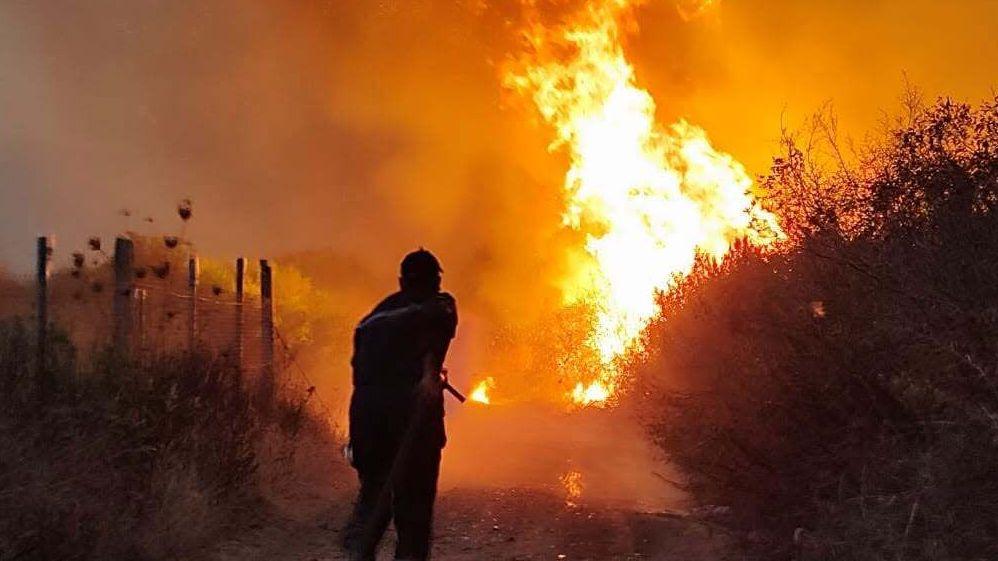
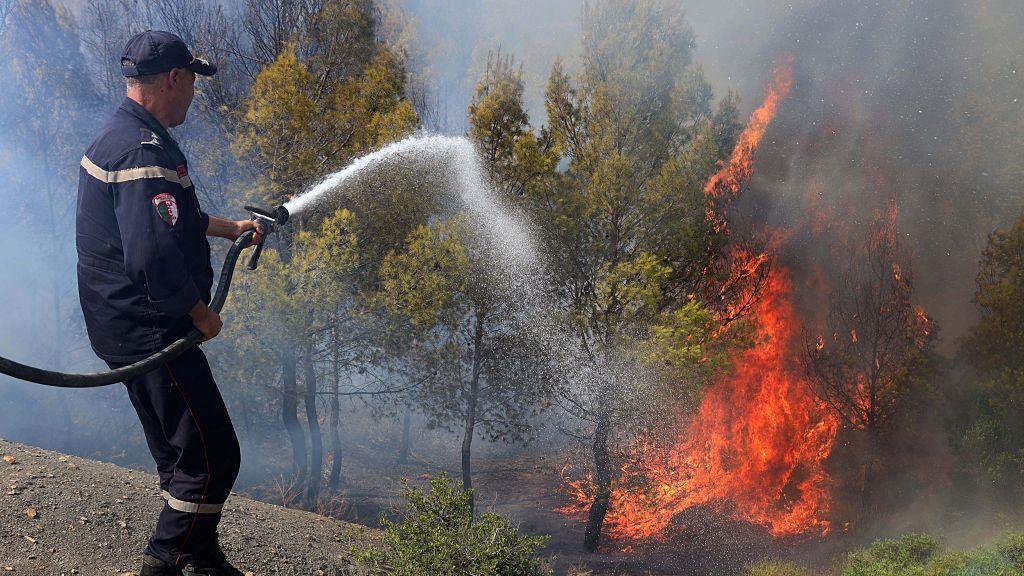
Despite these gains, the broader ecosystem remains under threat. Feral cats and foxes kill an estimated three billion Australian animals annually, while invasive weeds choke native bushland. Diseases such as chlamydia orphan koalas, while the chytrid fungus has caused multiple frog extinctions, and climate‑driven events like the Black Summer bushfires have further eroded natural habitats.
Government responses have been uneven. The Australian federal government spends around A$700 million on nature protection, a fraction of the A$33 billion that conservationists argue is necessary. At the same time, subsidies for mining, intensive agriculture and fuel amount to an additional A$26 billion, underscoring an imbalance that critics say outweighs the effort to safeguard biodiversity.
Labor’s 2022 election promise of “no new extinctions” has led to new legislation and a stated goal of halting biodiversity loss by 2030. Yet the sector warns that legal frameworks alone cannot replace on‑the‑ground funding, enforcement and long‑term political commitment required to change outcomes.
For many First Nations Australians, the loss of these species threatens cultural heritage and worldviews that hold the land as a living entity. Conservation campaigns, such as breeding programs for the numbat and other endangered mammals, aim to counteract extinctions but still struggle with resources, inadequate predator control, and continuous habitat encroachment.
The numbat’s revival demonstrates that coordinated effort can turn the tide, yet it is a fragile success. Conservationists allege that sustaining gains requires more robust funding, tighter policy enforcement and a genuine shift in how Australia balances development with ecological stewardship.