The journey of Feliks, a critically endangered eagle rescued from capture
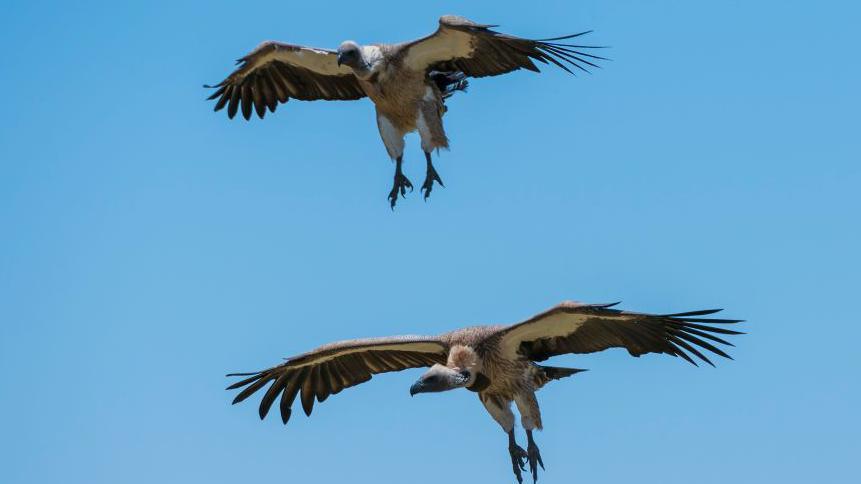
A small bird, a large problem. Feliks, an eastern imperial eagle that once nested in Serbia’s Vojvodina region, was snared by poachers near the Syrian border in late 2024. The traffickers demanded a ransom for his return, but Serbian authorities refused, stating compliance would embolden illegal trade.
In 2025 the bird landed in a protected wildlife centre in Beirut, where he received veterinary care for more than six months while conservationists monitored his recovery. Negotiations for his return culminated in 2026 when Serbian peacekeepers escorted the eagle on a military transport plane to a zoo in Palic.
Release and what it means for Serbia’s conservation effort
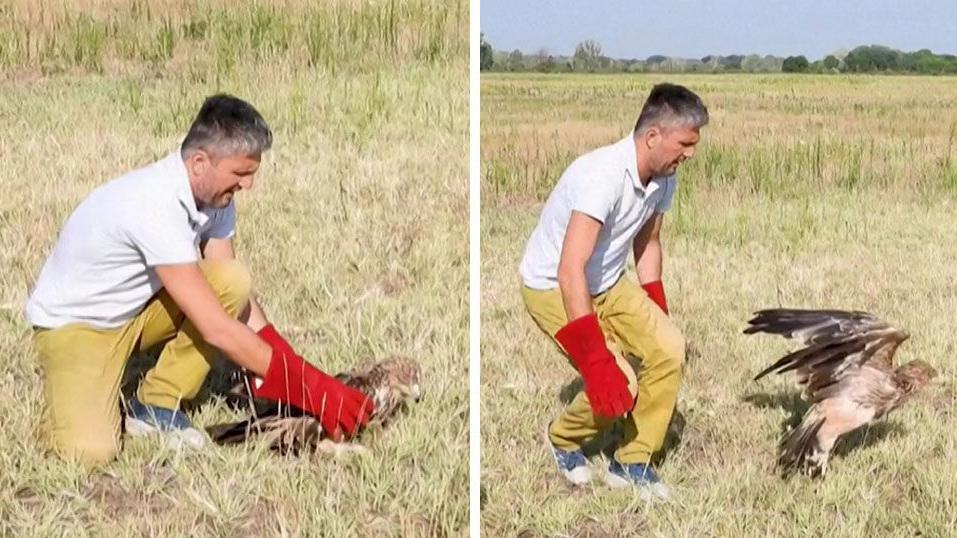
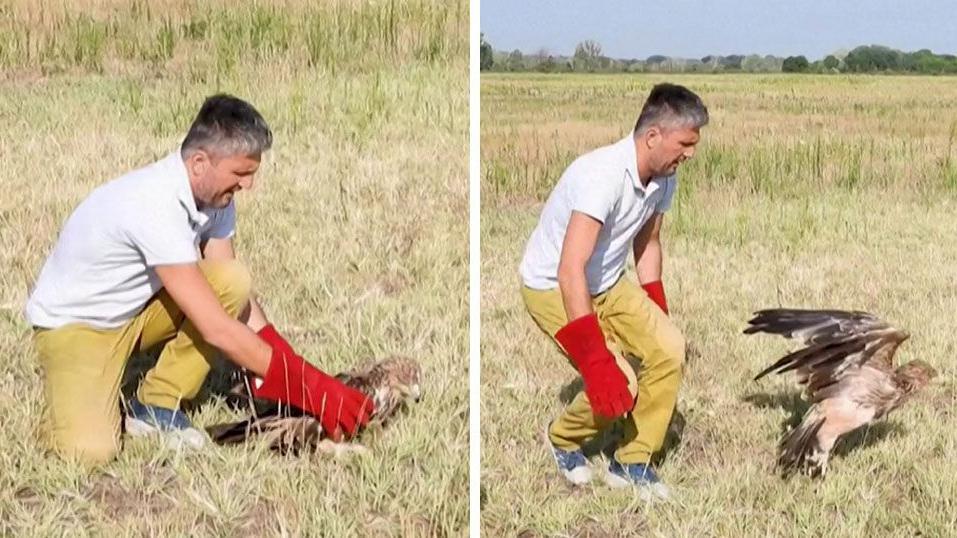
After a month of strict monitoring at the zoo, the transport plane delivered Feliks to his homeland. The Serbian Bird Protection and Study Society said the release was a milestone, citing a jump from one breeding pair in 2017 to 29 pairs in 2026—providing fresh hope for the species’ survival.
Feliks’ story illustrates the complex web of wildlife trafficking across national borders and the collective responsibility needed to protect endangered species. Here, international cooperation, scientific monitoring, and decisive action converged to restore a bird to its natural habitat.