Lebanon Parliament Votes to Abolish the Death Penalty
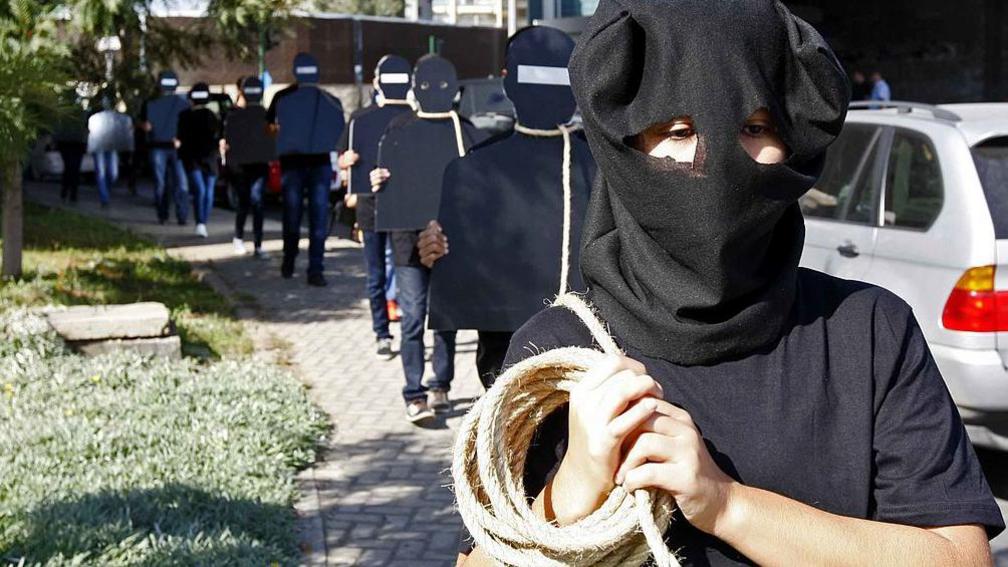
The national parliament in Beirut approved a law that will abolish capital punishment in Lebanon. It marks the first country in the Middle East to move in this direction. A majority of the 128‑member assembly supported the measure. Hezbollah parliamentary bloc voted against the change.
The bill will advance to the cabinet and then to President Joseph Aoun for formal signing. The government has already shown its backing of the proposal.
Lebanon has not carried out an execution since January 2004 even though courts have continued to hand down death sentences. Rights groups estimate that more than 78 people are still on death row.
Under the new law, capital punishment will be replaced with life imprisonment and hard labour. The exact enforcement mechanisms will be defined in future regulations.
Hard labour is written into Lebanese law but has rarely been used in recent years due to financial crisis and overcrowded prisons. The move follows many years of civil society campaigning and legal work to drop the death penalty.
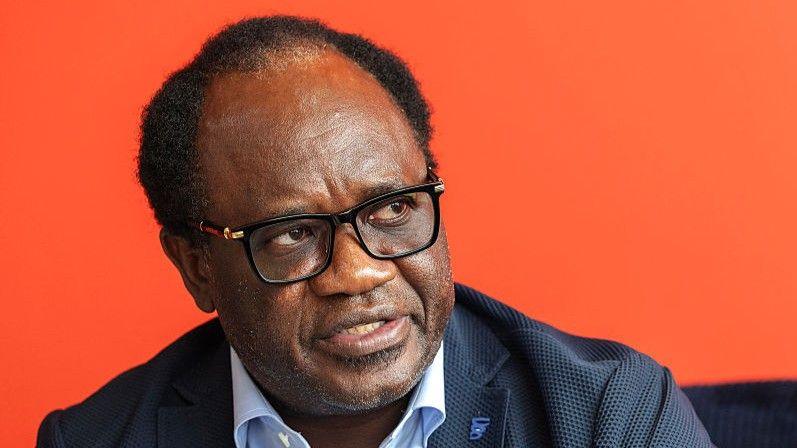
Civil rights advocate Oragit Younan said “We cannot solve a crime with a crime or end violence with violence.” She has led a nearly three‑decade campaign to abolish the death penalty in Lebanon.
The vote follows a de facto moratorium on executions. A decree with signatures from the president, prime minister and justice minister is required for an execution, but none has been signed since 2004.
Under previous Lebanese law, the death penalty could be used for aggravated murder, certain terrorism‑related crimes that cause death, treason, espionage and state‑security offences.
Other regional actions illustrate diverse directions: Jordan resumed executions in June after years of suspension; Israel passed a law expanding circumstances for capital punishment; the UN human rights chief flagged rising executions in Iran.
For further context, see Lebanon news coverage and related stories on capital punishment in the Middle East.