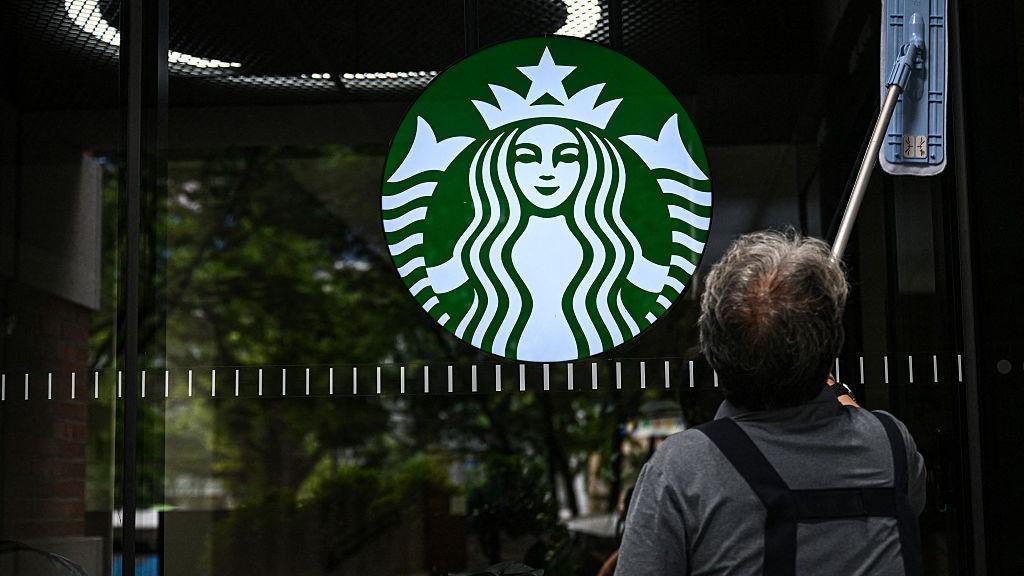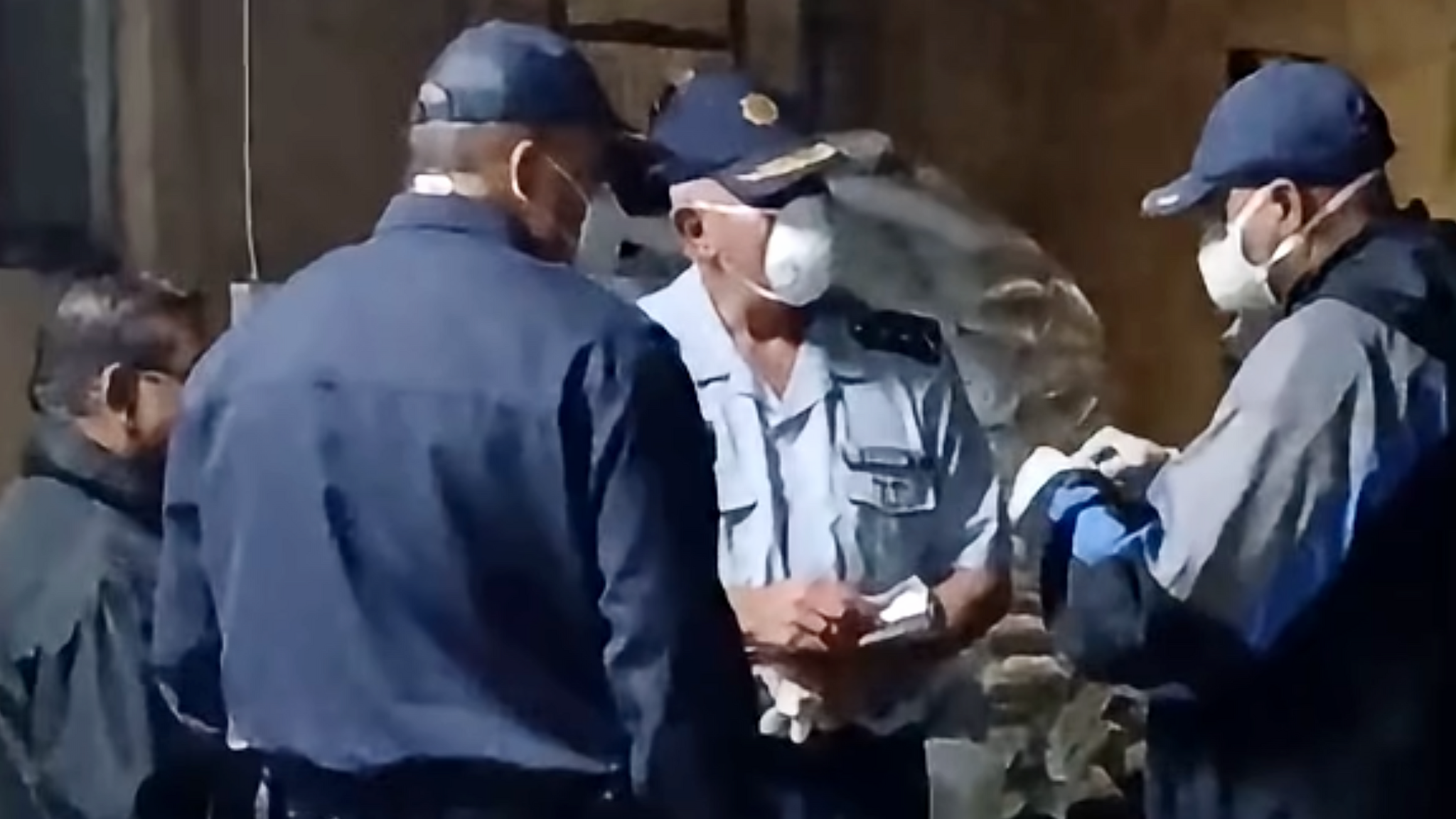
South Korean police raided the headquarters of Starbucks Korea following a controversial marketing promotion called Tank Day. The raid came after civic groups filed a criminal complaint alleging the campaign defamed victims of the 1980 Gwangju Uprising, a period of military violence that claimed many lives and left a lasting trauma on the nation.
Tank Day was introduced in May as a promotion featuring a coffee tumbler. The imagery and wording of the offer were quickly criticized as evoking the tanks poured over protestors during the uprising. In response to the backlash, Starbucks Korea withdrew the promotion and apologized for the “inappropriate marketing.”
Shinsegae, the parent company that manages Starbucks franchises in South Korea, announced an internal investigation and concluded that the mistake was unintentional, citing a lack of awareness at all levels of management. The company also decided to sacked its chief executive and closed stores for half a day in June to allow employees to attend history lessons.
The incident erupted during the local election season and became a flashpoint between the ruling party and the opposition. The president of South Korea criticized the promotion, calling it an insult to the victims of the uprising, as the opposition leader used a Starbucks cup in speech to counter the government’s move.
The moment has turned Starbucks cups into a symbol for right‑wing pundits who stand in opposition to the administration. The case illustrates how commercial decisions can ignite intense public sentiment when they touch upon sensitive country history.