Zambia Arrests Top Opposition Leaders Amid Post‑Election Tensions
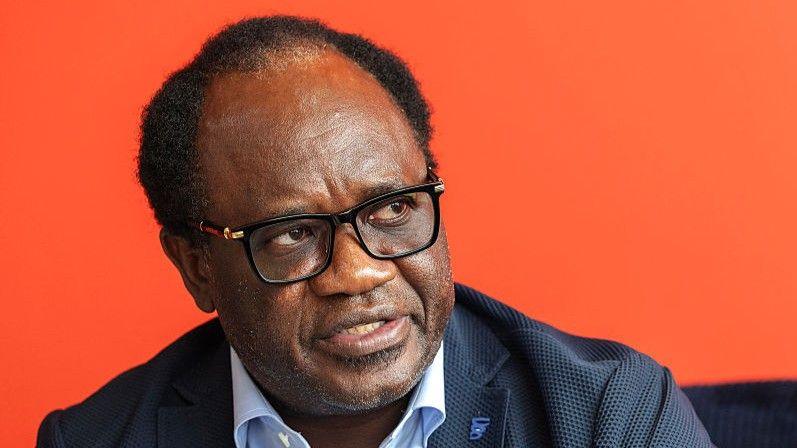
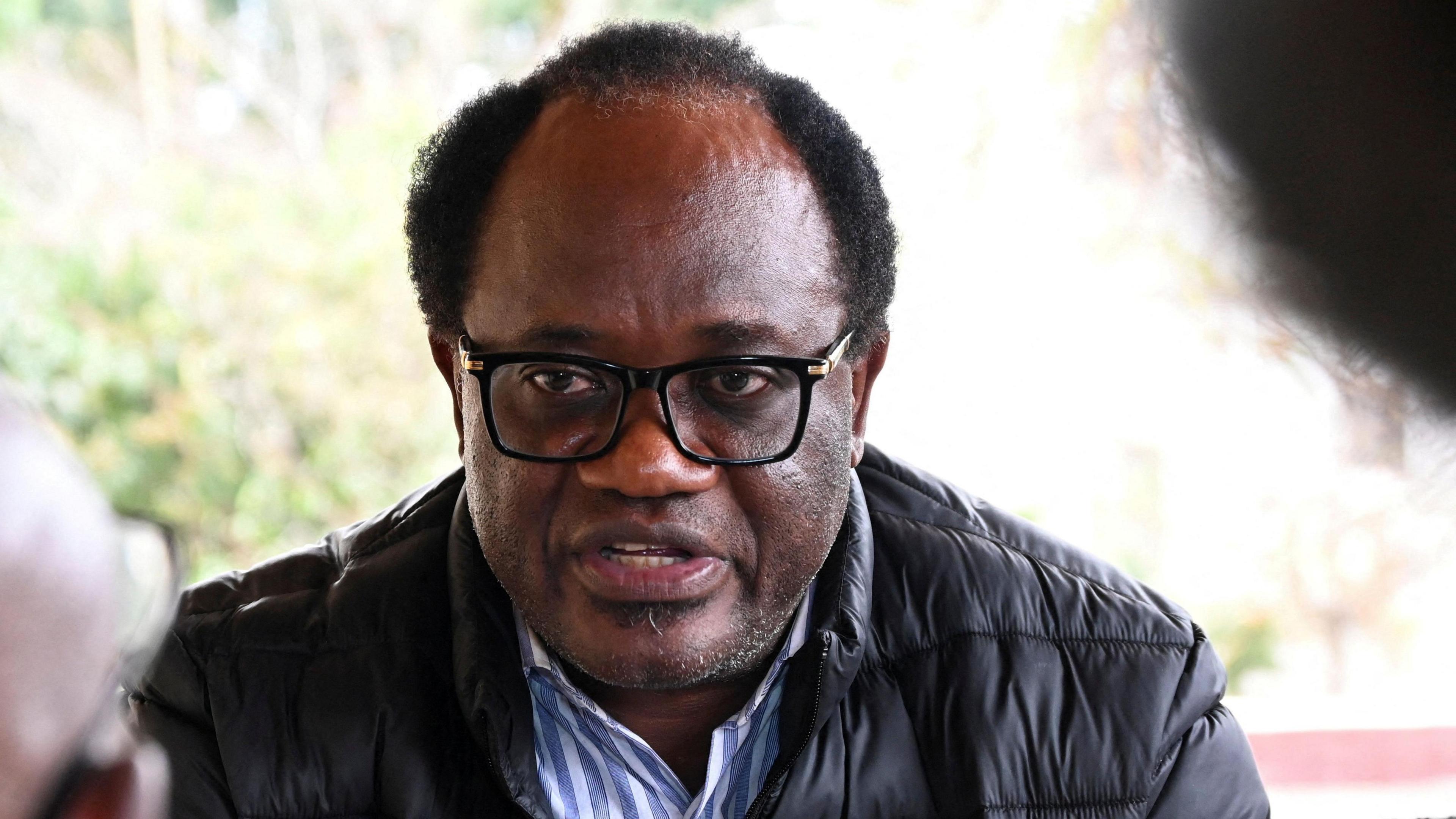
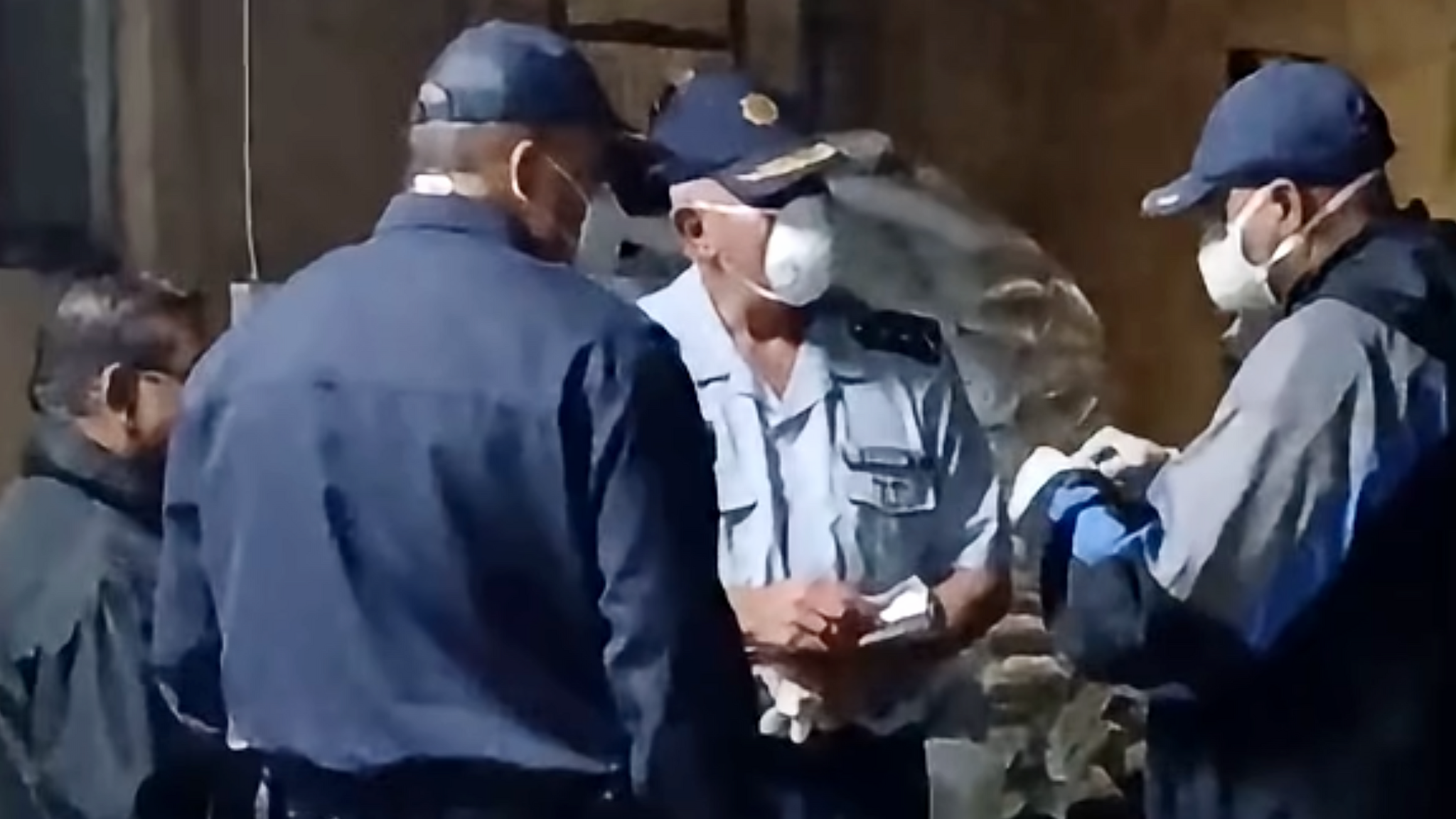
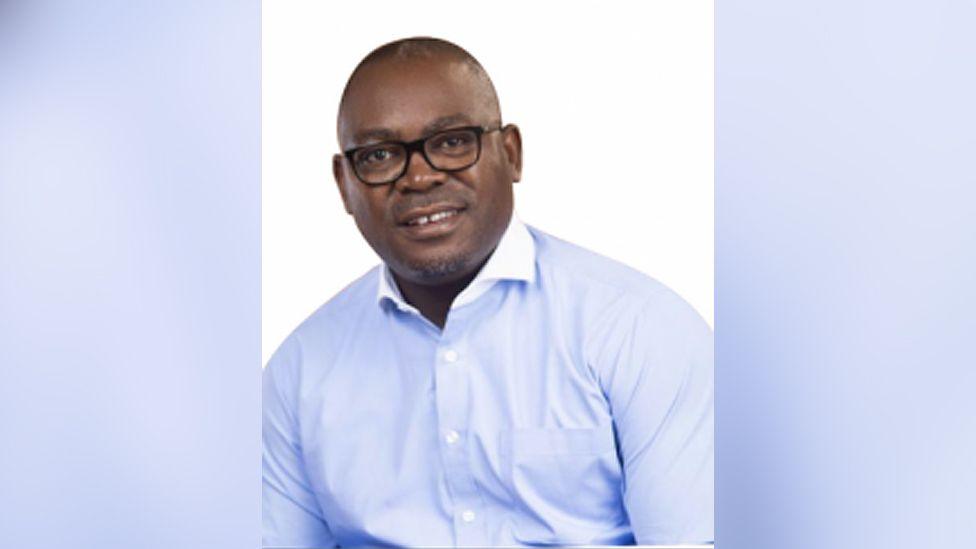
Security forces in Zambia has seized weapons and arrested 11 people, including senior opposition figures, after an alleged insurrection plot, the government said on Thursday. The raid, which involved the use of armoured vehicles and alleged gunfire, supposedly took place in the capital, Lusaka, where the leading opposition candidate Brian Mundubile was also found, according to the country’s top civil servant Patrick Kangwa.
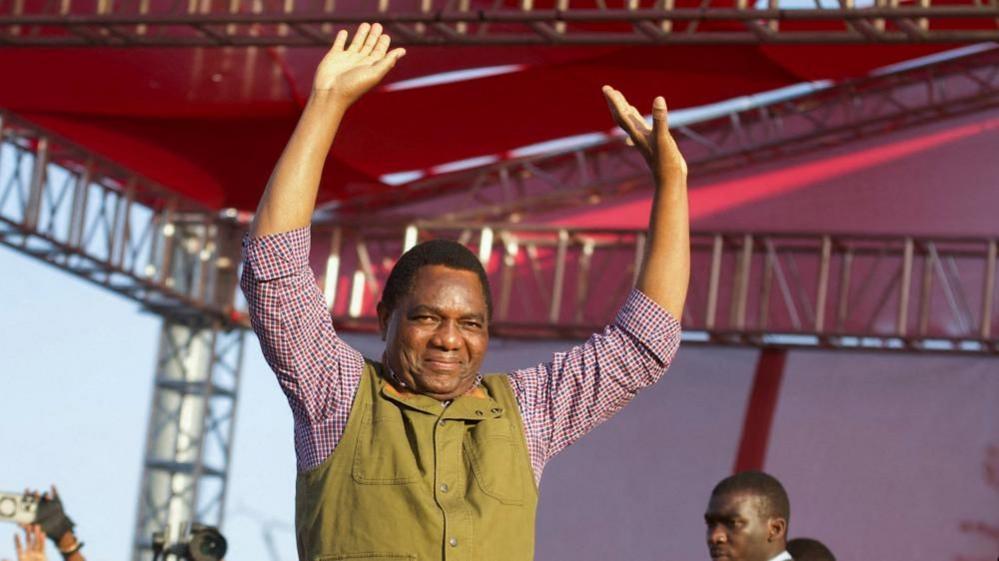
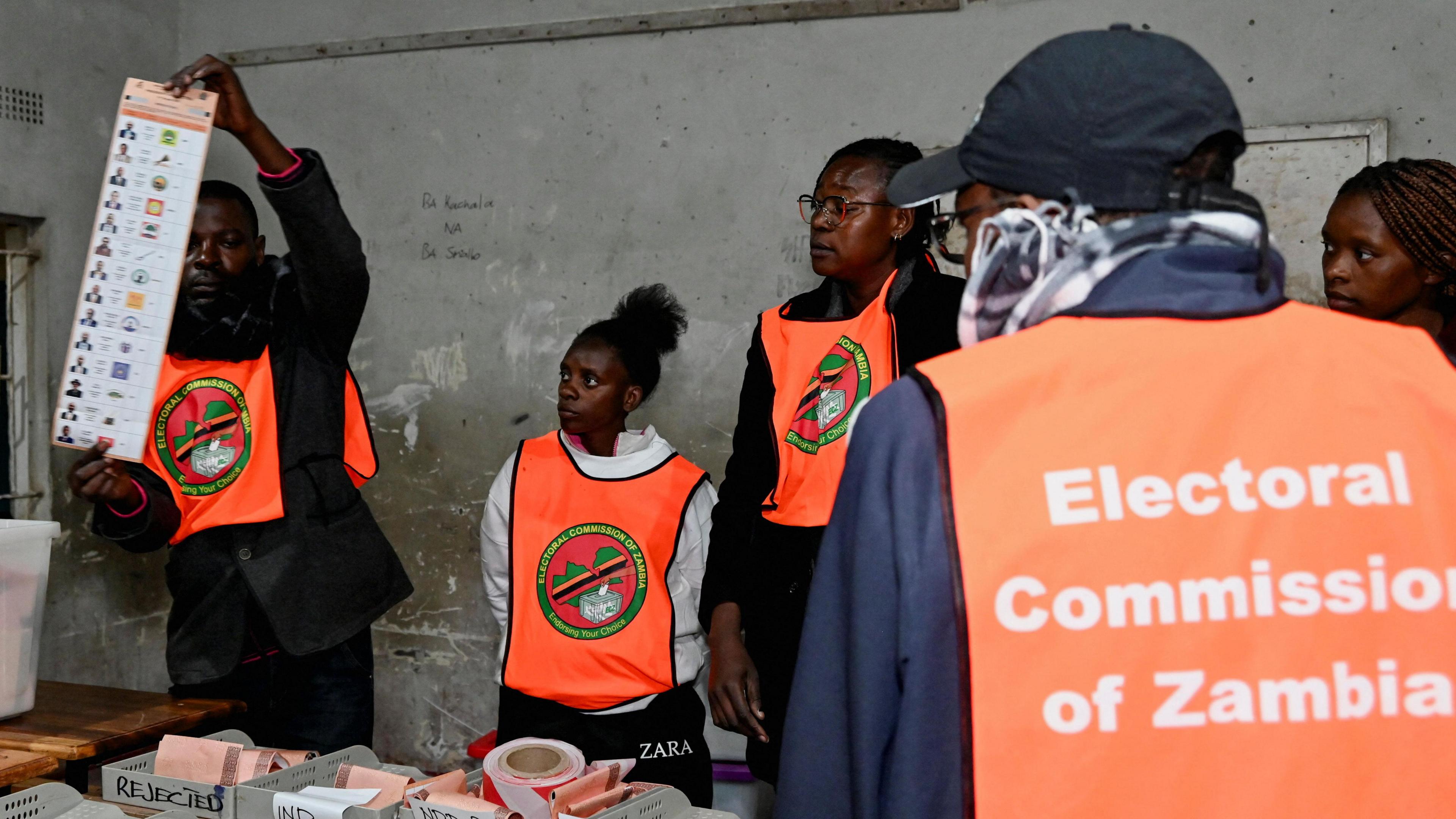
The election, held last Thursday, saw incumbent President Hakainde Hichilema, who is running for a second five‑year term, leading with 62% of the votes, while Mundubile, one of 13 challengers, registered 36%. Mundubile earlier claimed victory, citing irregularities, but did not provide evidence.
Kangwa accused the detainees of having “high‑grade military weapons, ammunition and other materials intended for use in an armed insurrection,” and said shots had been fired at law‑enforcement officers during the raid. Mundubile described the incident as an unprovoked assault, saying the police used a vehicle to knock down his gate, broke down doors, and shot indiscriminately. He also identified a former minister, Mutotwe Kafwaya, as being shot during the raid, although the victim’s whereabouts remain unknown.
Mundubile said he and his family had not returned home since Friday and felt unsafe. He has also alleged that his video releases were used by army officers as evidence, and that he has been assaulted while in custody – claims the authorities have denied.
The campaign’s “parallel vote tabulation” showed him in the lead, and he repeated accusations of irregularities without giving detailed proof. The Electoral Commission briefly suspended vote‑counting citing violence against polling staff and ballot‑paper theft, but lifted the suspension the same day after the security threat was reportedly contained. European Union and SADC observer missions expressed concern over the temporary suspension; the EU mission’s chief observer, Michael McNamara, highlighted “a backdrop of constrained democratic space” and uneven conditions during the election.
As Zambia waits for the final results, the mood in the capital remains tense, with heightened police presence in some areas. Critics argue that the situation reflects the blurred line between state and party and the potential influence of security forces on political outcomes, raising ongoing questions about the integrity of the electoral process and the rule of law in Zambia.