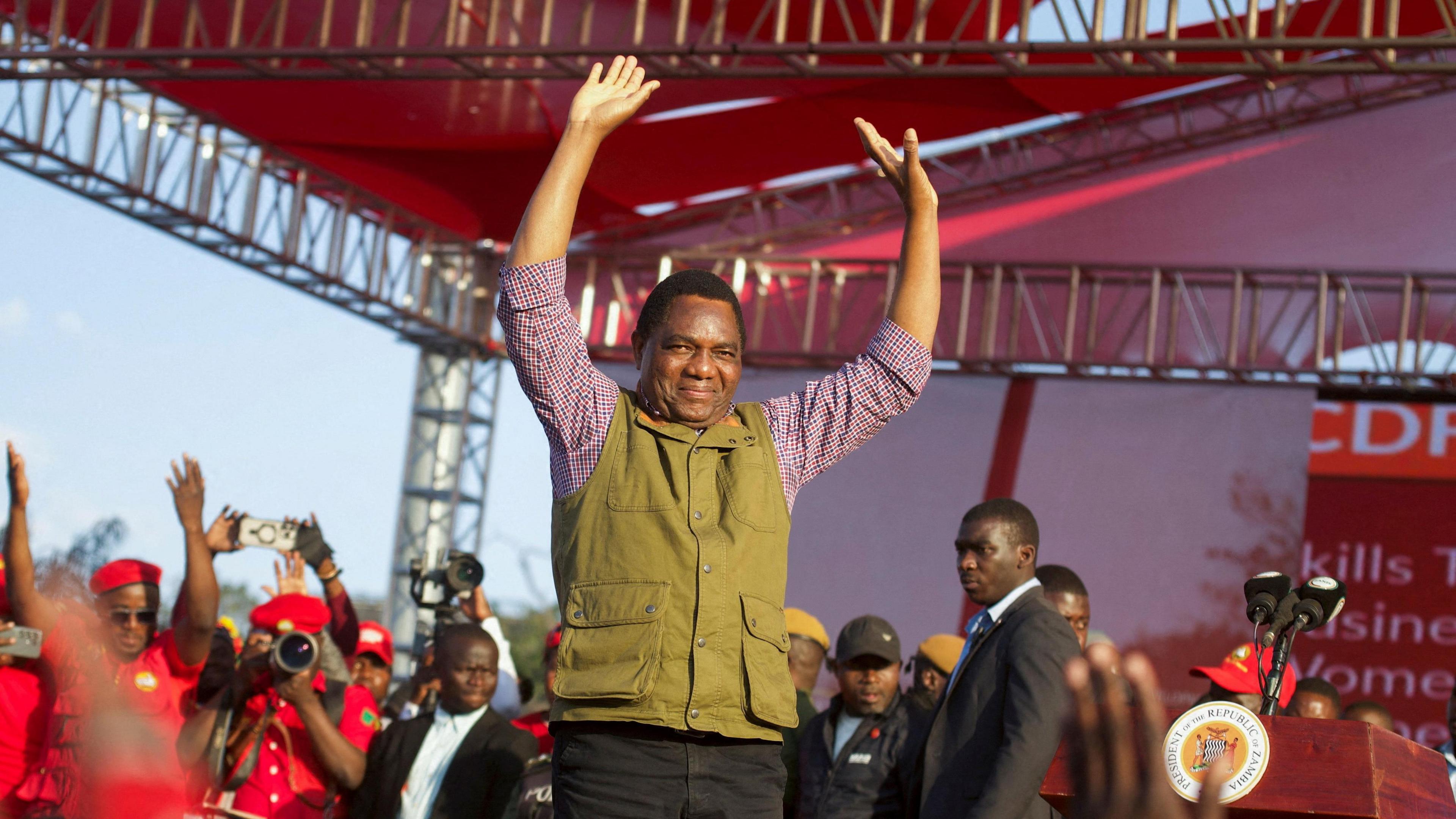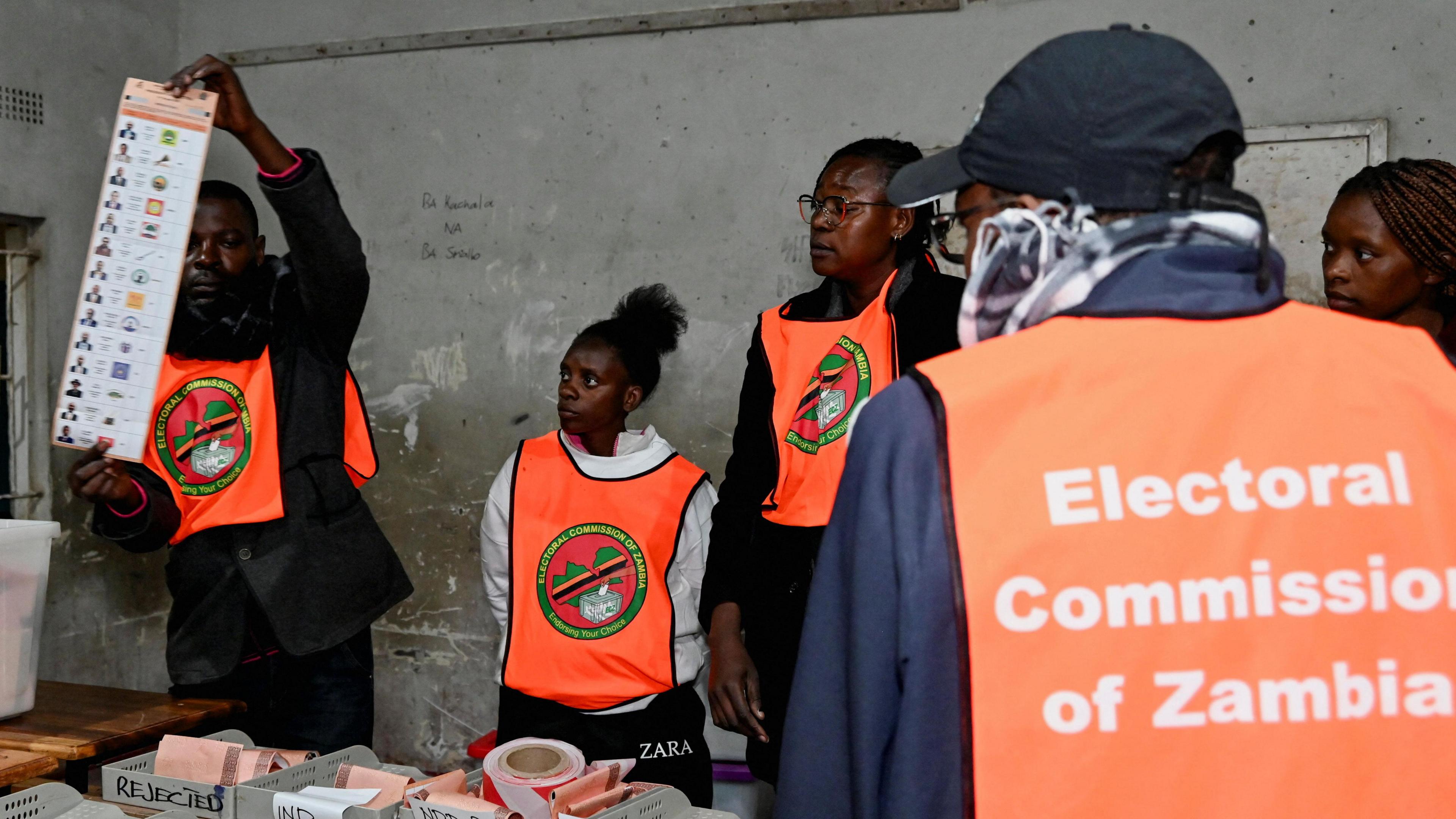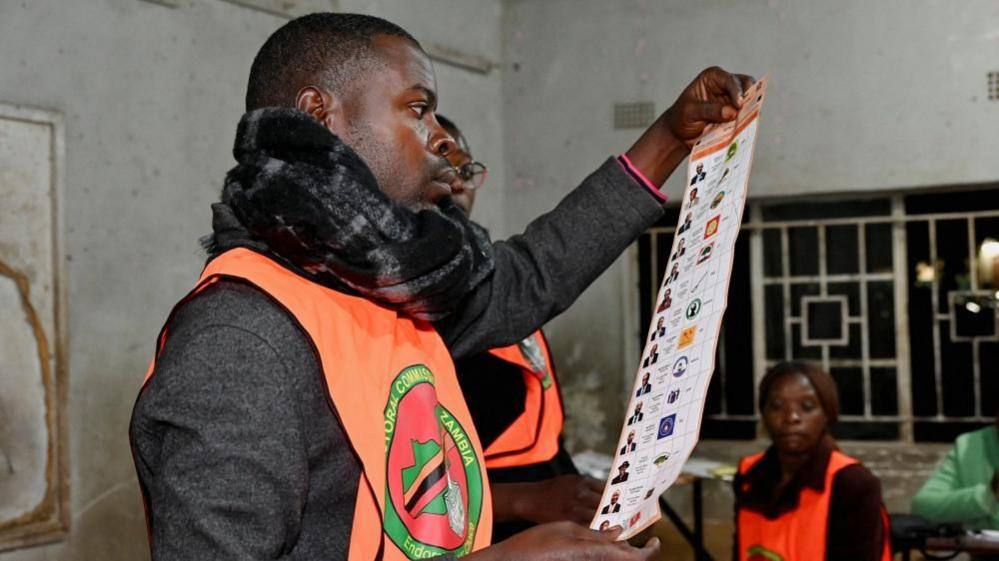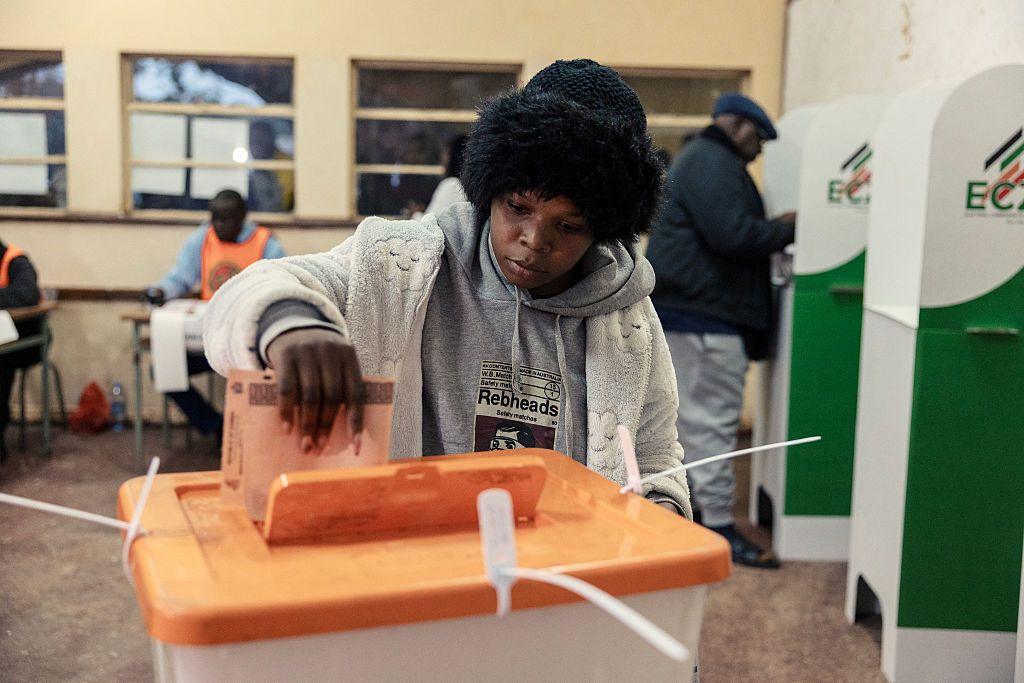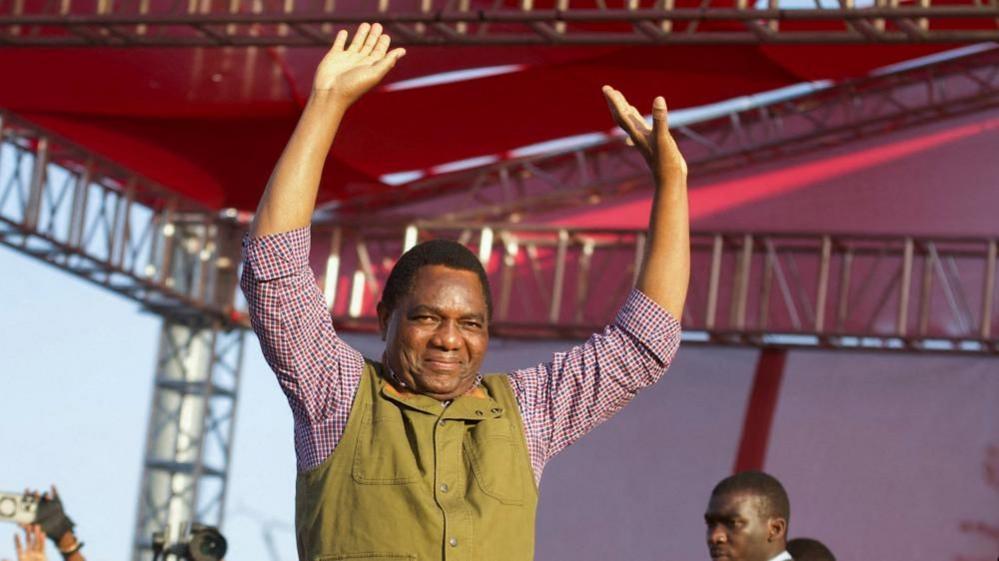
President Hakainde Hichilema is due to be sworn in for a second five‑year term on Tuesday, following a disputed August election and the arrest of his main opponent on treason charges. The vote, announced on 13 August, showed Hichilema winning 60 % of the ballots, while his runner‑up Brian Mundubile recorded 38 %. Underground frames of the result sparked claims of ballot tampering by the opposition.
Mundubile could not challenge the outcome legally because the courts were sealed off on the final day a case could be filed. These procedural restrictions, combined with accusations of “behind‑the‑scenes” manipulation, added to the perception that the electoral process fell short of transparent standards.
Observational agencies that monitored the turnout declared that the day itself was largely peaceful. Nonetheless, European Union officials identified gaps in the tallying system: many return‑officers delayed voting results on paper, while the digital entries lacked robust verification, leading to a “weak audit trail” of votes.
In the immediate aftermath, security forces raided a property in Lusaka linked to Mundubile, resulting in the death of a former cabinet minister and the capture of several opposition politicians. Authorities accused the dissenting coalition of plotting an armed insurrection—a charge the campaign denied in public statements.
The detentions culminated a weekend of political tension, as the opposition’s running mate, Makebi Zulu, had been in hide‑and‑seek. Both were arrested the following week and charged with treason, forcing the opposition to retreat from the public stage.
The last decade had brought Zambia through a severe debt default and an annual inflation rate that exceeded 24 %. Hichilema, who won a landslide in 2021, emphasized the systemic economic collapse, describing the national crisis as a “broken‑down” country. His government negotiated a debt restructuring and restored ties with foreign debtors, yet high prices continue to test the populace’s purchasing power.
Regional peers have echoed a mix of support and caution. Botswana’s President Duma Boko and Tanzania’s President Samia Suluhu Hassan, among other African heads of state, are expected at the national heroes stadium in Lusaka. Their presence underscores the broader geopolitical interest in Zambia’s direction.
The swearing‑in ceremony will include Hichilema and his running mate, Mutale Nalumango. It marks a pivotal moment for Zambia, as both supporters and critics look to the inauguration as a litmus test for the country’s democratic resilience and economic reprioritisation.