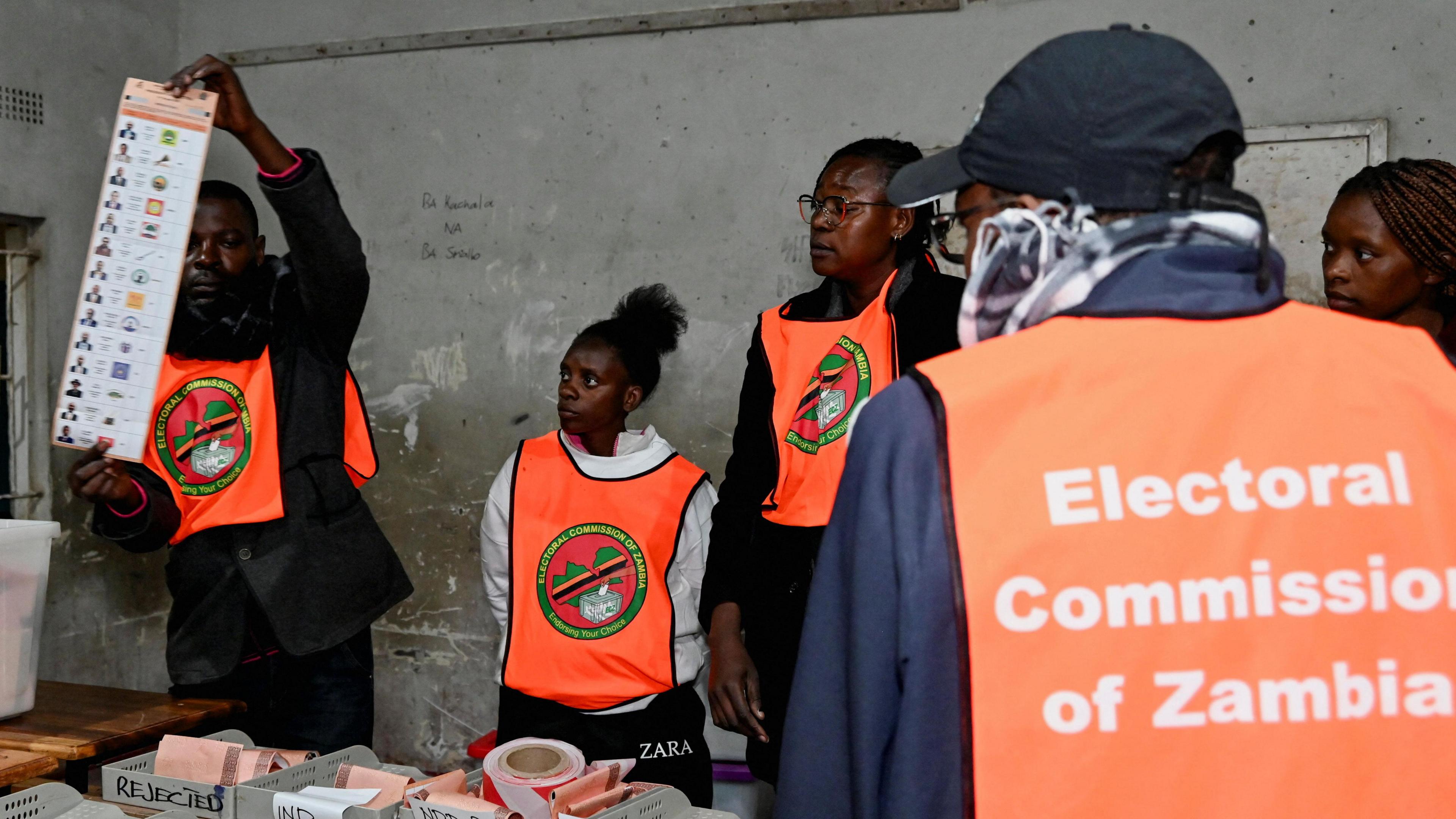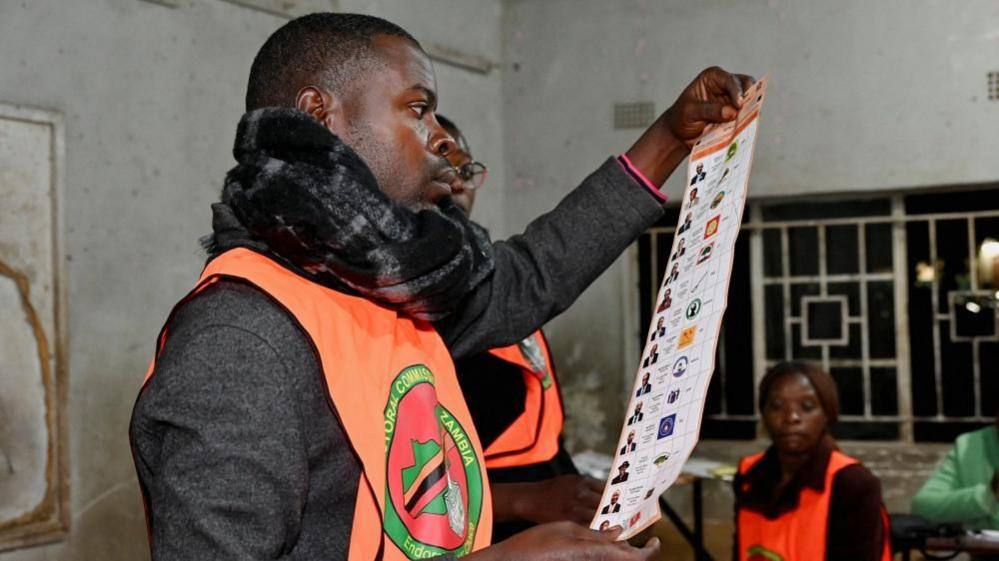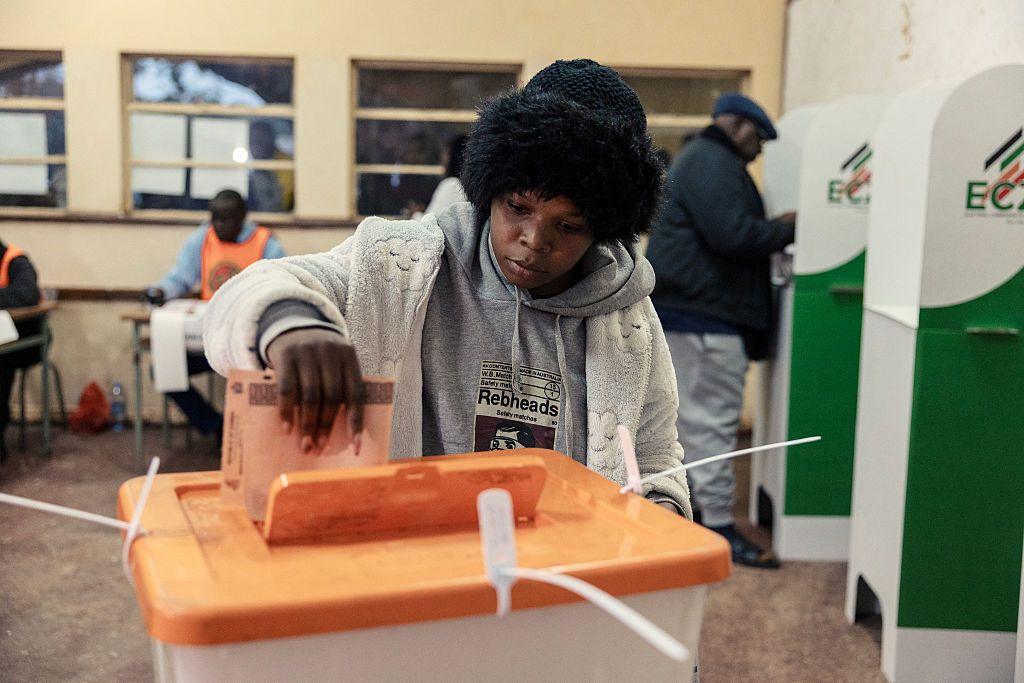
On a chilly morning in the capital, thousands of Zambians filed into polling booths as the country’s first round of elections began before 6:00 local time.
More than eight million voters are registered to choose a new president and members of parliament, a decision that will shape Zambia’s political future for the next five years. The vote is widely viewed as a test of Zambia’s standing as a stable democracy, even while critics raise red flags over political freedoms.
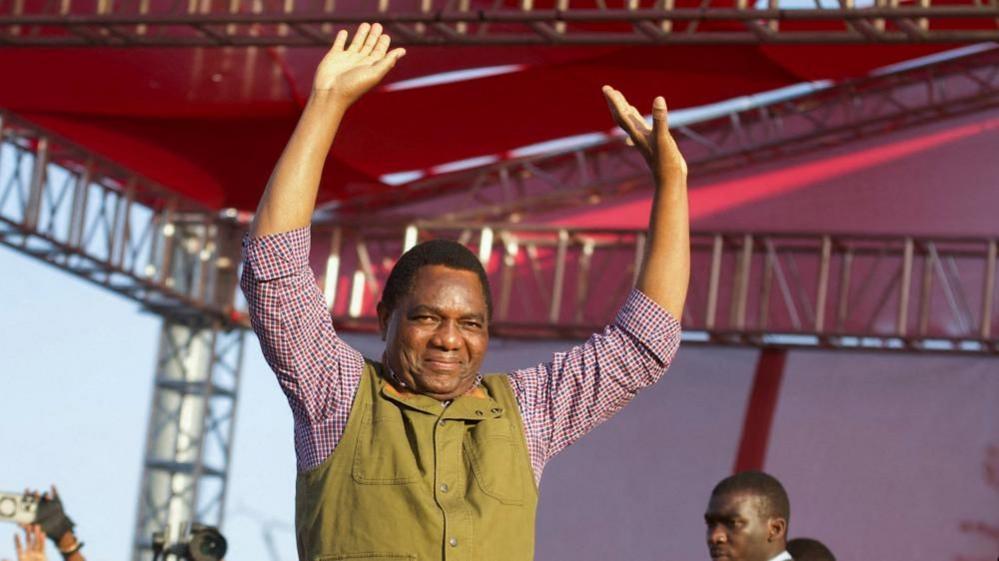
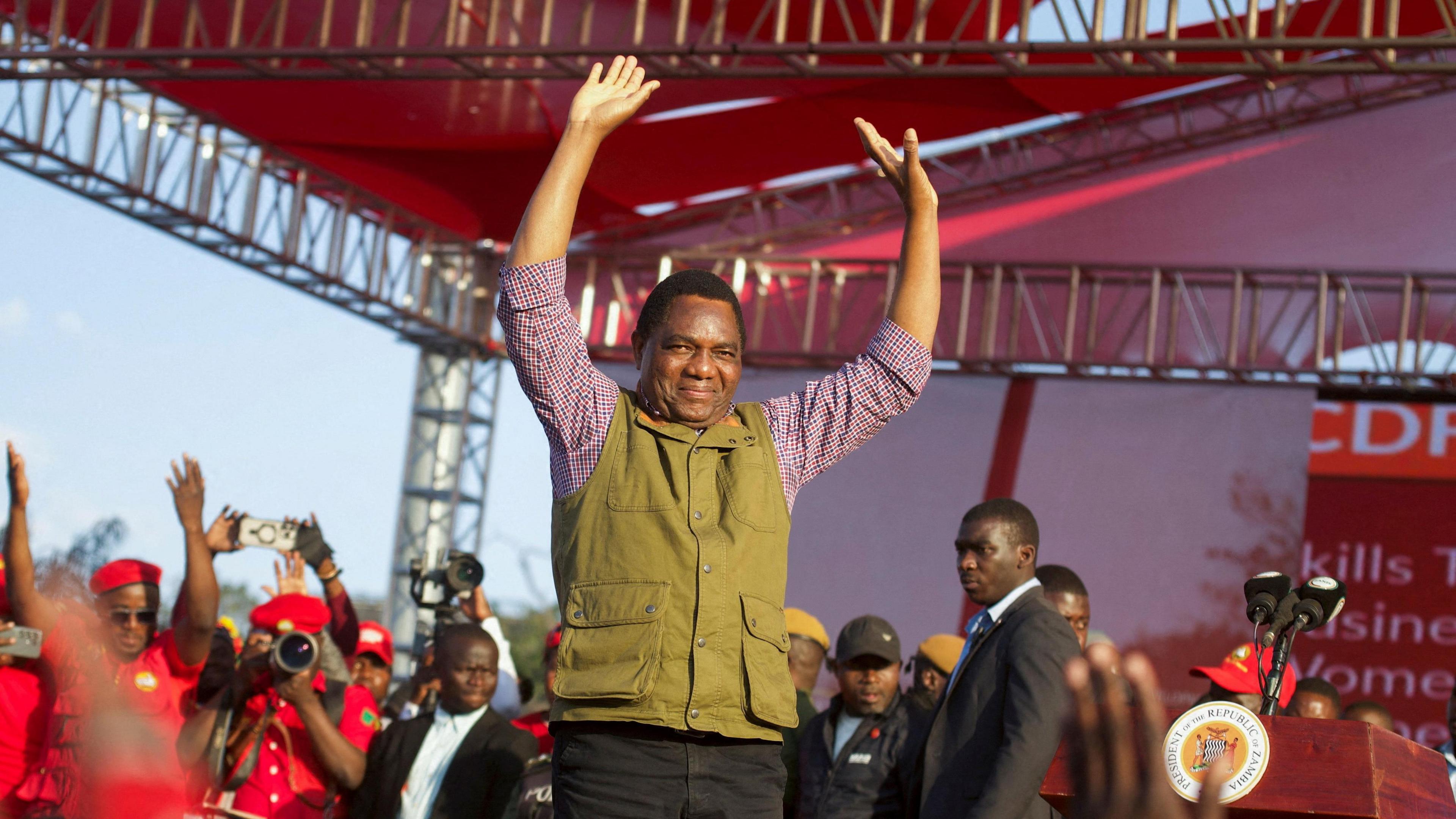
President Hakainde Hichilema, who won in 2021 on his sixth try, is seeking a second term and cites a record of economic progress and a new infrastructure strategy. Yet many citizens complain that inflation and high living costs remain stubborn.
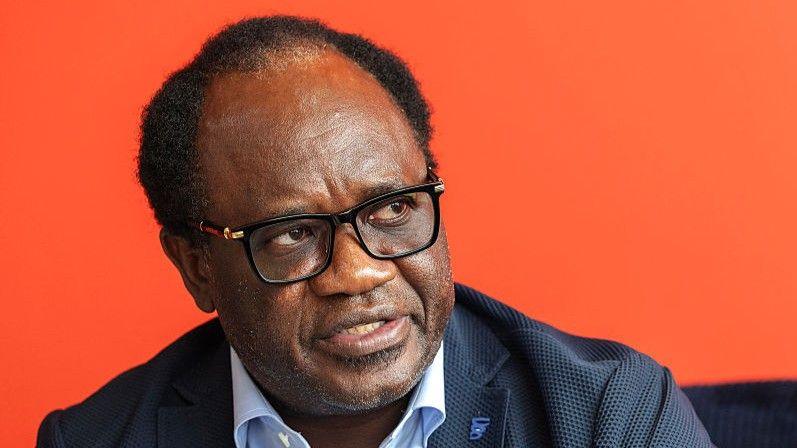
The main contender is former minister Brian Mundubile, who once held key portfolios under the Patriotic Front government and has the endorsement of the late ex‑President Edgar Lungu’s backers. With 14 candidates on the ballot, the race is essentially a duel between Hichilema and Mundubile.
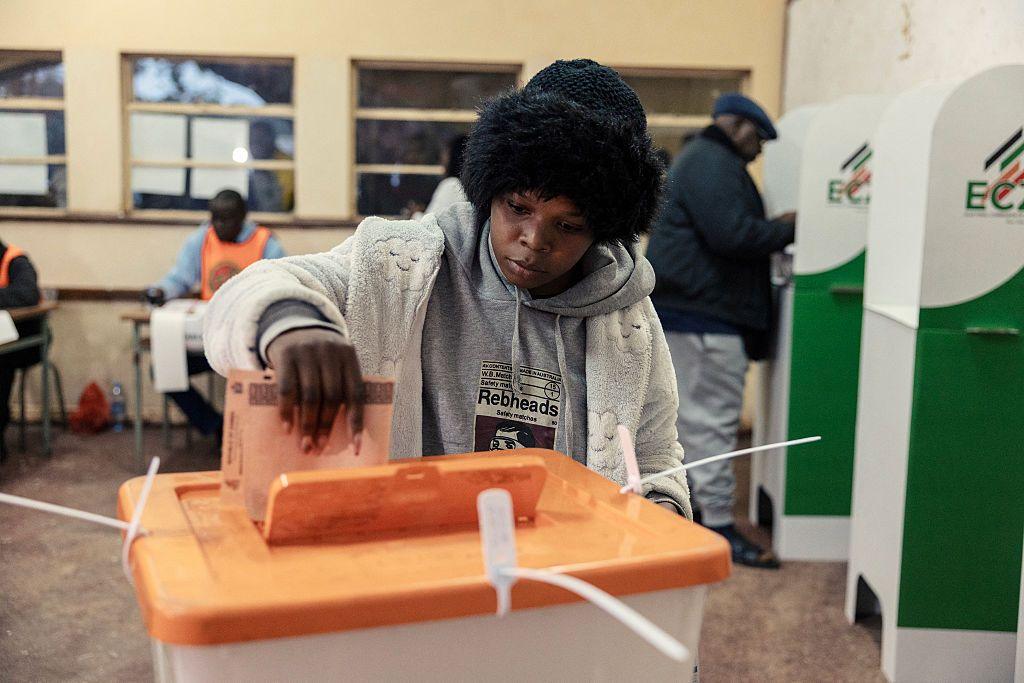
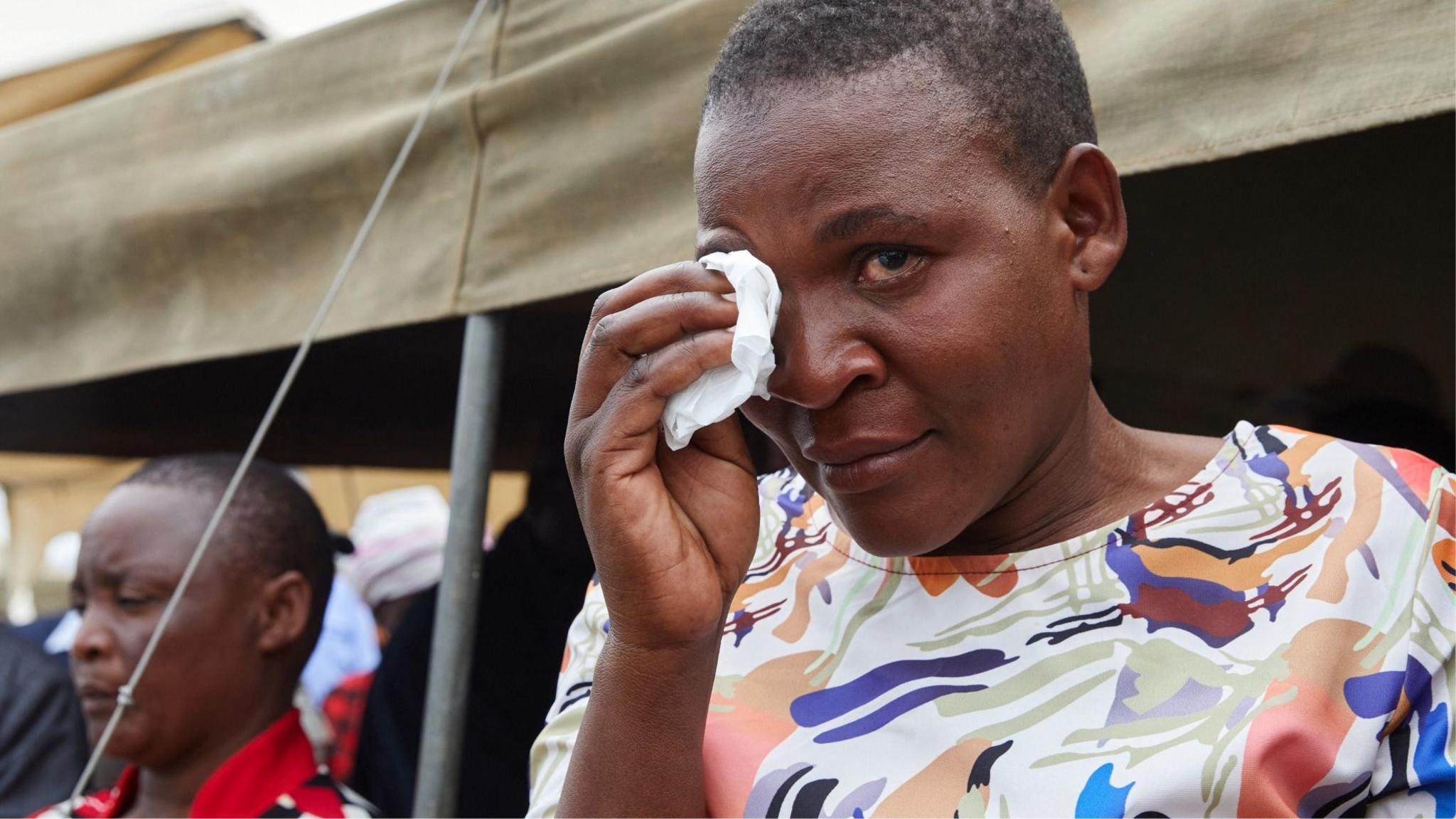
In the streets, hopefuls spoke of the need for change and a desire for a clear winner to avoid a runoff. "We are frustrated and this election is a 50‑50, that is why we are all here early to make the change," said one voter.
The contest also carries a shadow of personal politics: Lungu’s unburied body in South Africa has fueled a bitter feud between his family and Hichilema, inflaming divisions across the country.
If no candidate reaches more than 50 percent at the close of polling, a runoff will be held within 37 days. The day’s vote therefore holds great significance for Zambia’s future direction and the trajectory of its governance.