Trump declares Canada seeks benefits of US state amid trade war
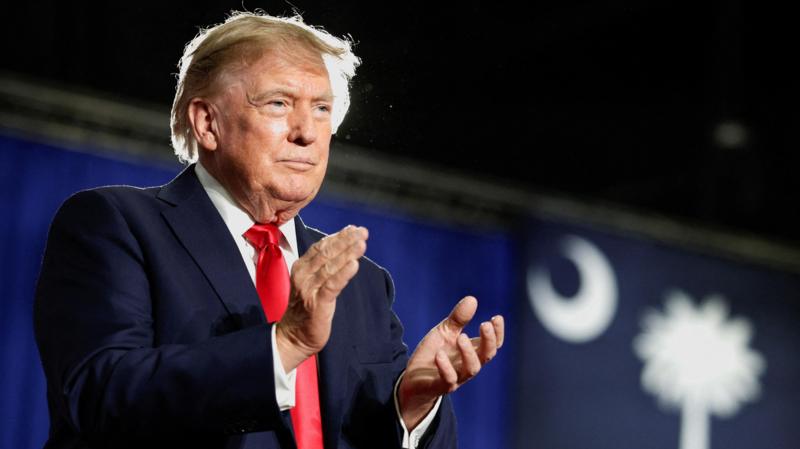
At the end of Friday’s failed trade negotiations, President Donald Trump urged a U.S. view that Canada wishes to gain benefits akin to being a U.S. state. He dismissed Canadian proposals as “too much” and “too little,” setting the stage for a new 50 % tariff on a slate of Canadian products.
Prime Minister Mark Carney slammed the tariffs as a “miscalculation” aimed at hurting and dividing the two nations. He announced that Canada would match the tariffs “dollar-for-dollar” from 8 September and warned of an impending trade war that could impact Britain‑Lodge’s dairy, steel, appliance and electronics sectors.
The collapse followed weeks of talks that had seemed close to a breakthrough. Both officials blamed the other for last‑minute changes and iron‑clad demands that stalled the process. Carney described the U.S. approach as restricting Canada’s freedom to negotiate with other partners, a move he termed unacceptable.
Canadian leaders across parties—conservative opposition, provincial premiers and the federal cabinet—joined in warning against the tariffs. They highlighted their potential to hurt jobs, especially in Quebec’s manufacturing and Ontario’s auto sectors, and urged a return to the floor of negotiations.
Beyond bilateral trade, the impasse affects the United States‑Mexico‑Canada Agreement (USMCA). Signed by Trump in 2017 to replace NAFTA, the pact governs $1.6 trillion of annual trade. While Canada and Mexico have pushed for a 16‑year renewal, the U.S. has declined to keep the current framework.
The new tariffs—capped at roughly $20 bn of Canadian goods, about 5 % of total imports—include wine, dairy, cement, clothing and hockey sticks. The Canadian government stresses a retaliatory stance – they will release details in the coming days.
As the two economies wrestle over tariffs, stakeholders watch for further U.S. moves. The ongoing conflict signals a broader shift in North America’s economic ties and highlights the fragility of multicultural trade agreements in a time of heightened political rhetoric.