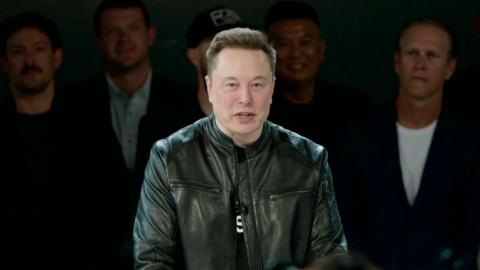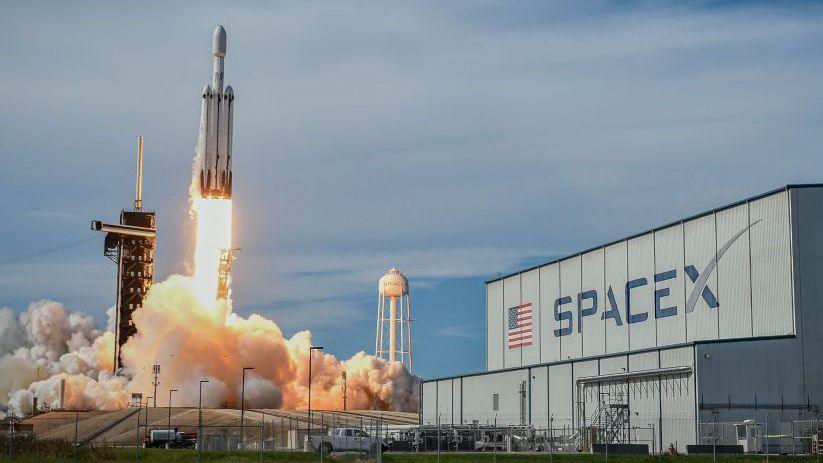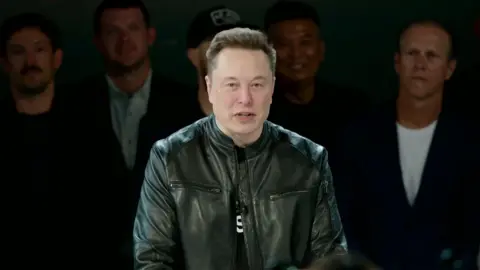
On Friday, SpaceX’s entry into the Nasdaq sparked a financial fireworks display that sent founder Elon Musk’s net worth past the $1 trillion mark. Shares opened above the company’s $135 offering price, briefly topping $176, and closed around $161, valuing SpaceX at roughly $2.2 trillion and Musk at $1.11 trillion according to Bloomberg.
The valuation is largely future‑forward: SpaceX has yet to turn a profit, reporting losses of more than $9 billion in 2025 and 2026, and its earnings are seen as speculative, centered on reusable rockets, Starlink satellites and an ambitious “lunar economy” that may or may not materialise.
While many investors celebrated the IPO, the debate around it has deepened. Critics point to the concentration of wealth—Musk’s holdings are almost half of SpaceX’s equity, giving him unilateral control over company decisions—and to the political implications of a trillion‑wealthy individual who has publicly supported divisive political causes. Senators Bernie Sanders and Elizabeth Warren urged the UK and US to consider wealth taxes in light of this new benchmark.
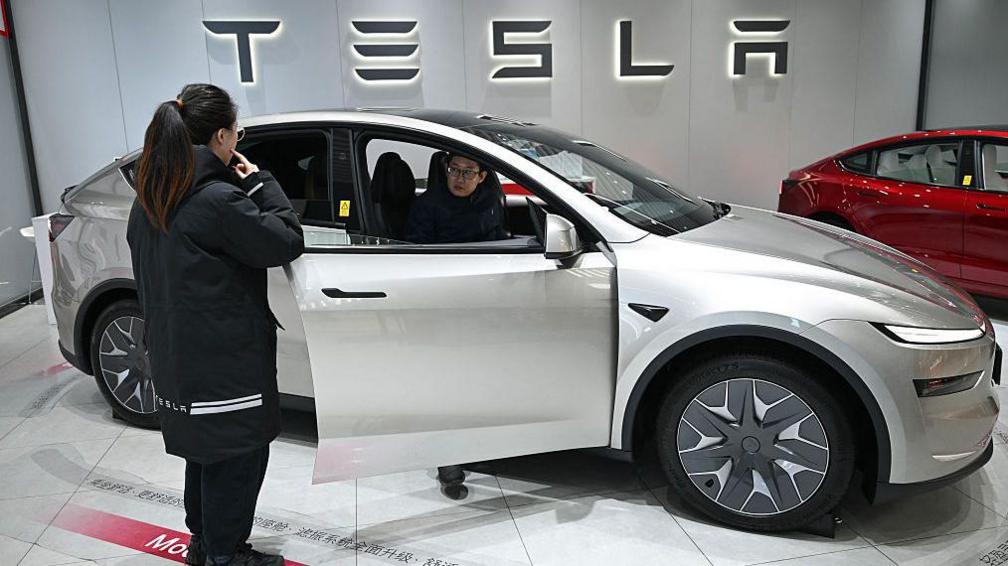
Pro‑IPO commentators argue that the price jump reflects strong investor optimism about space commerce and AI synergies, noting that the IPO will lift over 4,400 former and current staff to million‑adjective status and could lead, in the long term, to a merger with Tesla.
On the other hand, long‑term analysts caution that market enthusiasm may be driven more by hype than fundamentals, as the company’s future revenue streams are unproven and many stakeholders—including pension funds—will have to decide whether to hold the highly volatile stock.
For all parties, the SpaceX debut represents the largest jump in a single‑day stock listing and a litmus test for how the world balances the promise of space‑powered commerce with the ethical and economic questions that accompany the richest individual’s ascent.