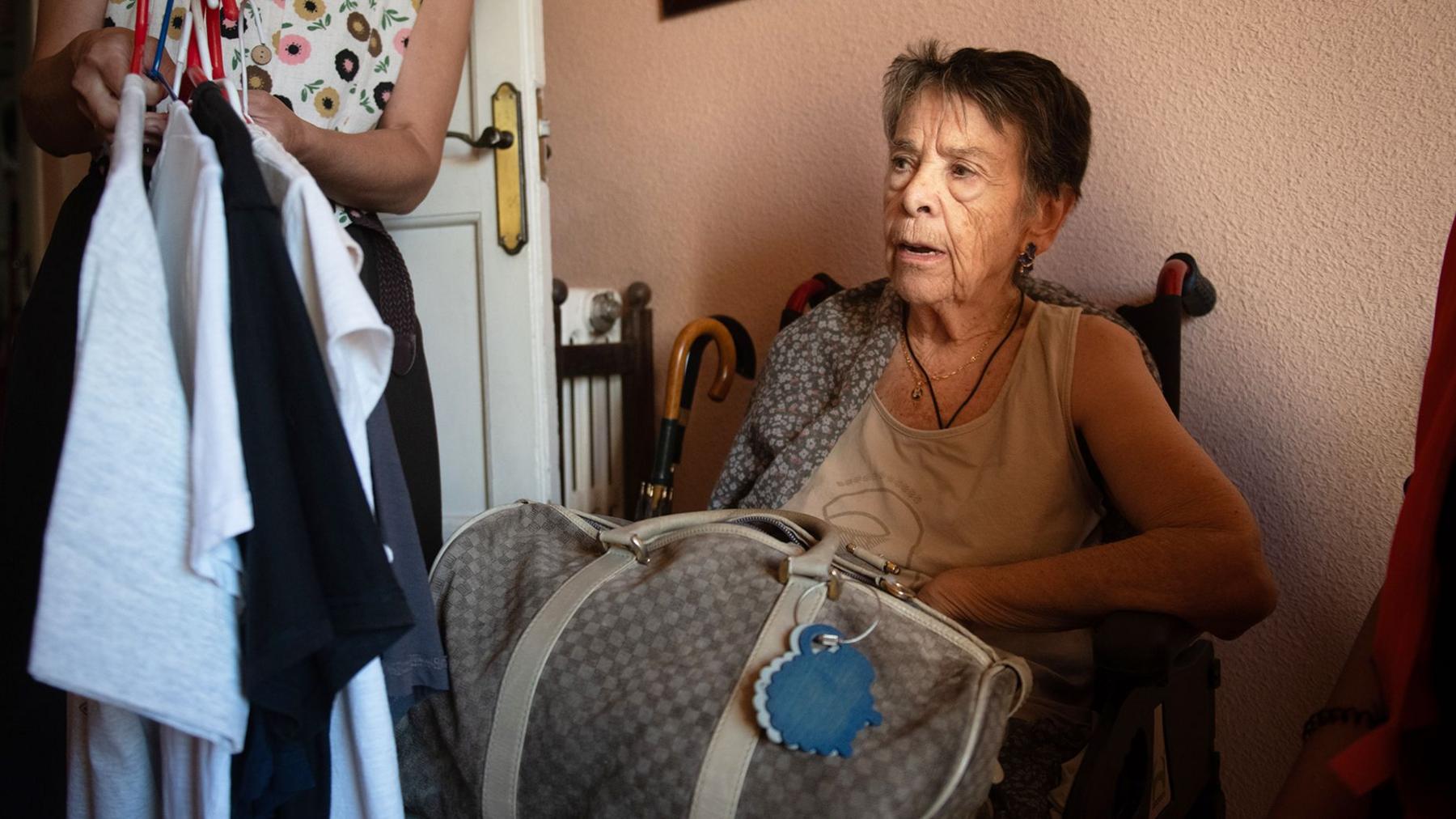
In the wake of a dramatic eviction that saw an 87‑year‑old pensioner forced out of her Madrid flat, Spain’s coalition government has moved to introduce a suite of housing reforms aimed at protecting tenants from future forced removals.
Health Minister Mónica García announced that the government is considering a nationwide ban on evictions that would remain in place until 2030. The package also proposes to extend all existing lease contracts through 2028, impose stricter rules on short‑term and room‑share rentals, and bar investment firms from buying residential property for speculative purposes.
The measures are said to give relief to more than five million Spaniards, but opposition politicians, notably Míriam Nogueras of the pro‑Catalan independence Junts party, warned that they would leave small landlords vulnerable by lumping all investors together as “vulture funds.”
The coalition, which includes the Socialists and junior allies Sumar, does not command a majority in parliament. Consequently, the proposals must be debated and voted on within the next 30 days after the decree’s publication; failure to pass would mean the reforms do not take effect.
Meanwhile, Maricarmen Abascal, the 87‑year‑old whose eviction sparked the protest, has reportedly reached a settlement with the company that owns her apartment and should be able to re‑enter her home after a medical discharge. The protest, which persists around Madrid’s Puerta del Sol, has spread to other major cities including Barcelona, Seville, Malaga and Cadiz, as thousands stand in solidarity against what they see as a widening housing crisis.
The government’s swift response and the continued public pressure underscore the urgency of addressing Spain’s housing affordability problems, as the debate over tenant protection and investment rights continues to evolve in the days ahead.