In brief
Rodrigo Duterte's recent arrest highlights the International Criminal Court's complex jurisdictional challenges, as he faces accusations tied to significant human rights violations during his presidency.
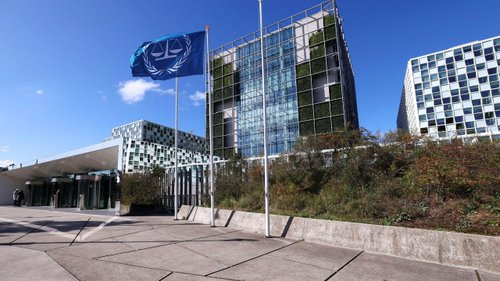
On March 11, 2025, Philippine authorities apprehended former president Rodrigo Duterte following a covert arrest warrant issued by the International Criminal Court (I.C.C.) which accused him of crimes against humanity. The warrant's issuance has sparked a significant legal debate regarding the I.C.C.'s jurisdiction, particularly as Duterte and his administration previously sought to withdraw the Philippines from the Rome Statute—an important international treaty that allows the court to operate.The investigations leading to this major development began in 2018 when the I.C.C. announced that it would investigate Duterte over claims concerning the violent drug war he oversaw, which rights groups allege resulted in approximately 30,000 deaths. These victims, many of whom were not involved in drug activities, were reportedly killed by law enforcement, vigilantes, and hired gunmen, raising serious human rights concerns.Duterte's legal representatives argue that the arrest lacks any standing due to the Philippines having exited the I.C.C. in March 2019, rendering the court's jurisdiction invalid. However, the I.C.C. has asserted that it retains authority in this case, since the alleged crimes occurred when the Philippines was still a member state. A panel of judges noted in their official warrant, dated March 7, that the court maintains jurisdiction over actions committed during that time period.As the situation unfolds, many eyes will remain focused on the I.C.C.'s ability to assert its reach and the implications of Duterte's arrest amid ongoing discussions over sovereignty, international law, and human rights accountability.