Jackson, Miss. (AP) — The FBI states that Stephen Spencer Pittman, a suspect in the arson fire at the Beth Israel Congregation, admitted to selecting the synagogue as a target based on its Jewish heritage.
Pittman faced charges on Monday for maliciously damaging or destroying a building through fire or explosives. In a federal court affidavit, he confessed to igniting the fire within the church, recognizing it from its 'Jewish ties.'
The arson occurred shortly after 3 AM on Saturday, leading to no injuries among congregants or firefighters. Surveillance footage from the synagogue captured a masked individual pouring gas on the lobby floor and furniture.
During questioning with law enforcement, Pittman derogatorily termed the synagogue as the 'synagogue of Satan,' as detailed in the court documents.
Pittman revealed that he had purchased gas at a nearby station before arriving at the synagogue, where he used an ax to break a window and ignited the fire with a torch lighter.
Authorities later found a burnt cellphone linked to Pittman at the scene, alongside a torch that a congregant had turned over to the FBI.
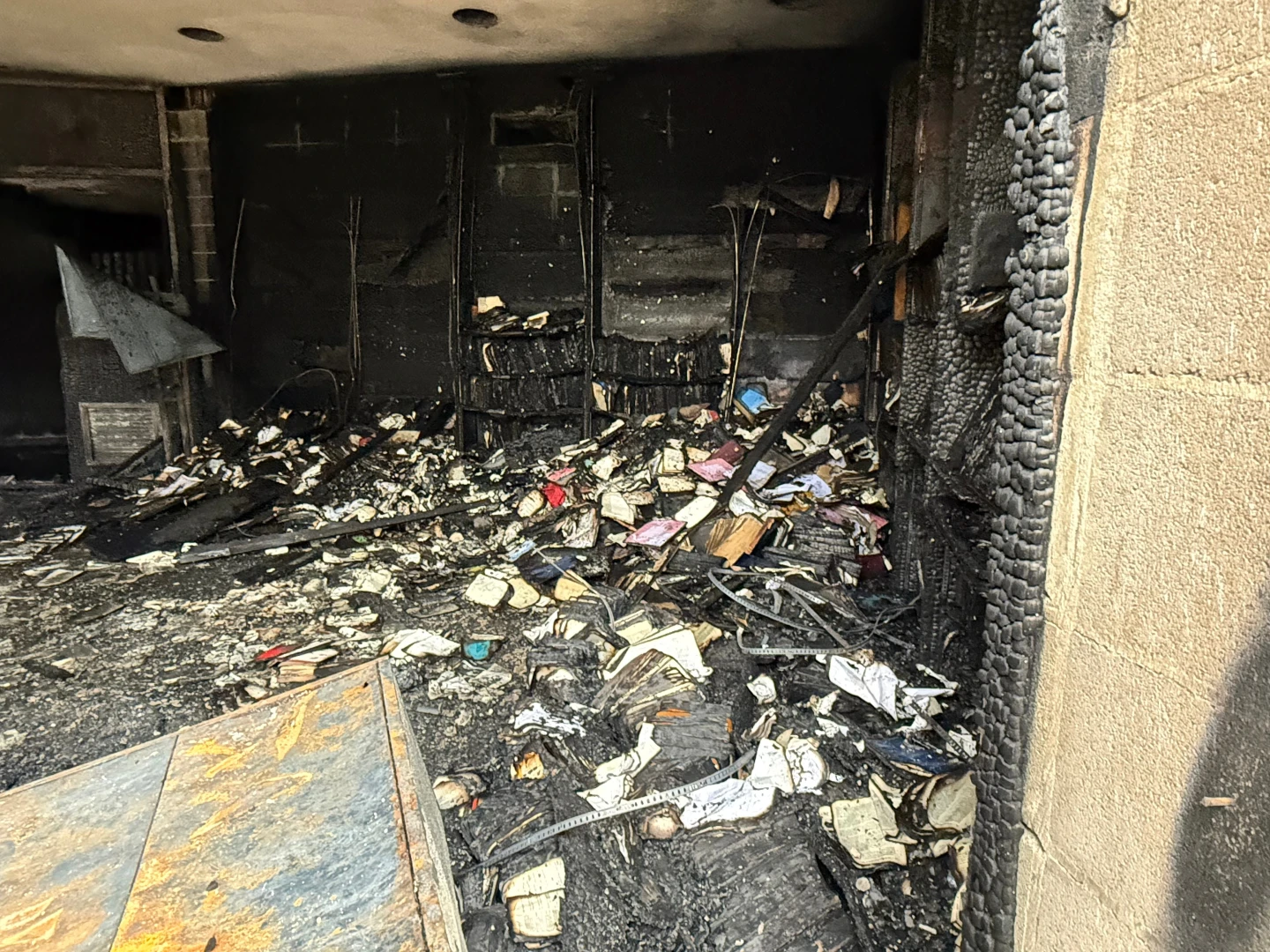
Within this small community, a few hundred individuals have worked to preserve Jewish traditions in Jackson, Mississippi, despite historical challenges. The fire has severely damaged the synagogue, particularly its library and administrative areas, reminiscent of an incident from more than fifty years ago when the Ku Klux Klan attacked the synagogue due to its rabbi's civil rights activism.
Fortunately, a Torah, which survived the Holocaust and was kept in a protected area, remained undamaged. However, two of the six Torahs within the library were lost due to the fire's severity.
After the event, Pittman’s father alerted authorities, disclosing his son's confession. Data retrieved from the suspect's cellphone supported these claims.
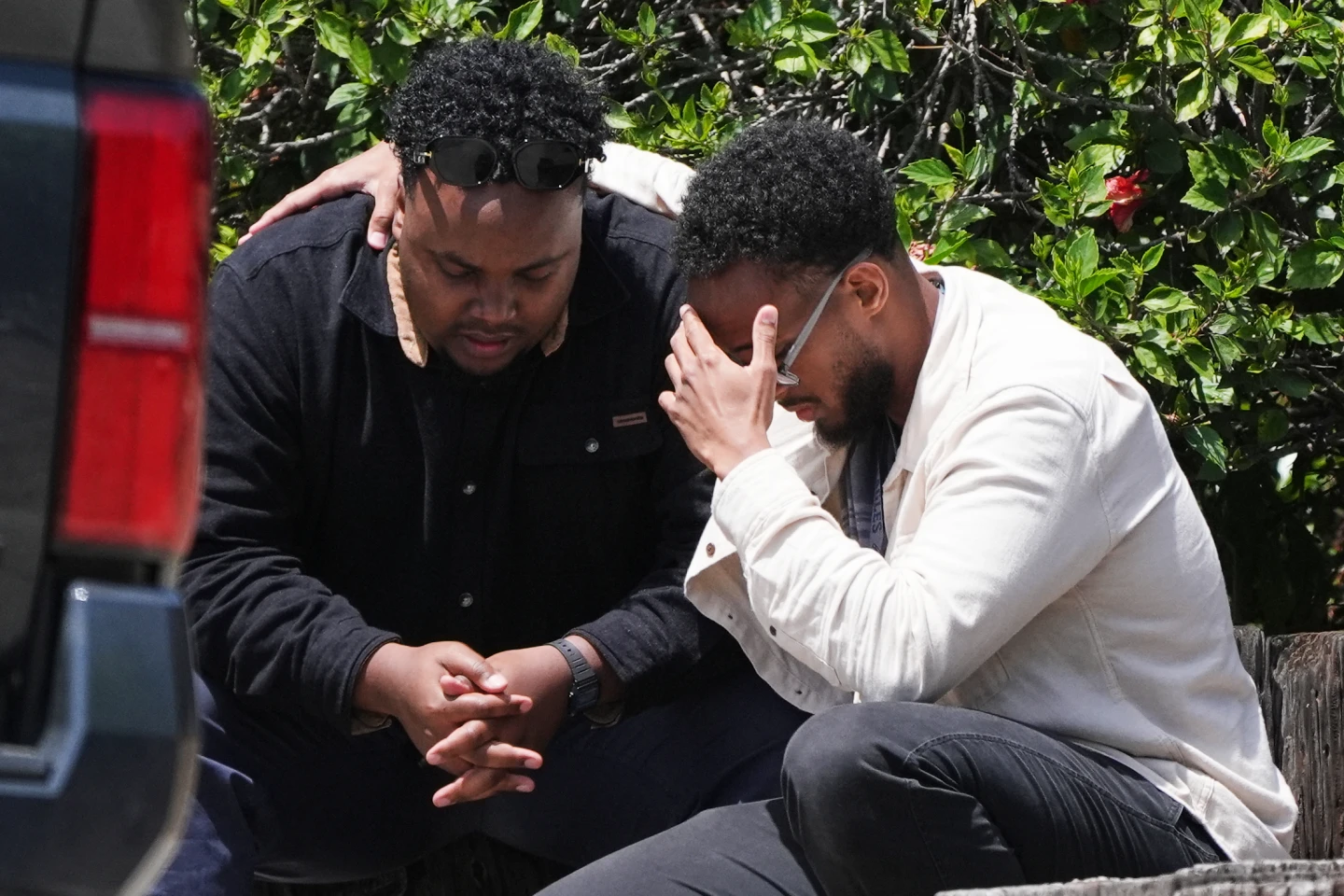
In response to the attack, flowers and notes were left at the synagogue, showing community support, while Pittman’s actions left the building marked by debris and police tape.
Zach Shemper, the congregation president, expressed a determination to rebuild the synagogue, emphasizing the institution's significance to the local community and the assistance from other churches during the restoration process.
The synagogue not only served as a place of worship but also housed various social services, underscoring its central role in Jewish life in Mississippi.
Founded in 1860 and relocating shortly after the Civil War, Beth Israel has a long history of resilience, including surviving Klan bombings in the late 1960s tied to its advocacy for civil rights. This history reflects ongoing struggles for justice within the region.
Rabbi Gary Zola remarked on the synagogue's prominence, recognizing it as a key institution within the Mississippi Jewish community.
Amidst the ongoing challenges for Jewish communities in the Deep South, Pittman's actions have sparked renewed discussions about anti-Semitism and support for affected communities.