In brief
Once a source of terror, being listed as "wanted" by the Assad regime has transformed into a badge of honor for many Syrians, reflecting a new attitude towards the oppressive past.
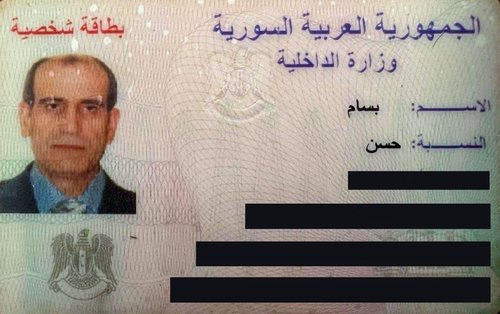
In a notable change of sentiment, Syrians are now openly embracing the concept of being "wanted" by the ousted Assad regime, viewing it as a point of pride rather than a source of fear. Kazem Togan, who recently returned to Syria after 12 years, was thrilled to find out he was listed as “wanted” by the regime's intelligence branch. This new mentality marks a stark departure from decades of terror under the Assad dictatorship.For over fifty years, the Assad regime maintained control through fear, keeping extensive records of those sought after by their security services. Thousands could potentially be detained or disappear into a brutal prison system if they were found on the lists. This oppressive environment made being “wanted” synonymous with fear and anxiety.Fast forward to the present, and social attitudes have shifted dramatically. Many Syrians are now asking officials about their status on these lists, with pride rather than trepidation. The act of inquiring whether they are “wanted” reflects a newfound courage to confront the past and openly engage with their experiences under an oppressive regime.Historically, having a name on those lists meant being targetted - a mark of someone who dared to speak out against the repressive authority. Now, however, it serves as a symbol of resistance - highlighting the courage of those who opposed the government, often at great personal risk. For individuals like Togan, being remembered today as "wanted" signals a defiance against oppression rather than the hopelessness it once represented. This emerging shift in narrative signifies a broader transformation in Syrian society, as people begin to reclaim their histories and redefine their identities in the context of survival and resistance against intimidation and brutality. In this way, being “wanted” has morphed from a mark of danger into a point of pride for those who survived the regime’s terror.