In brief
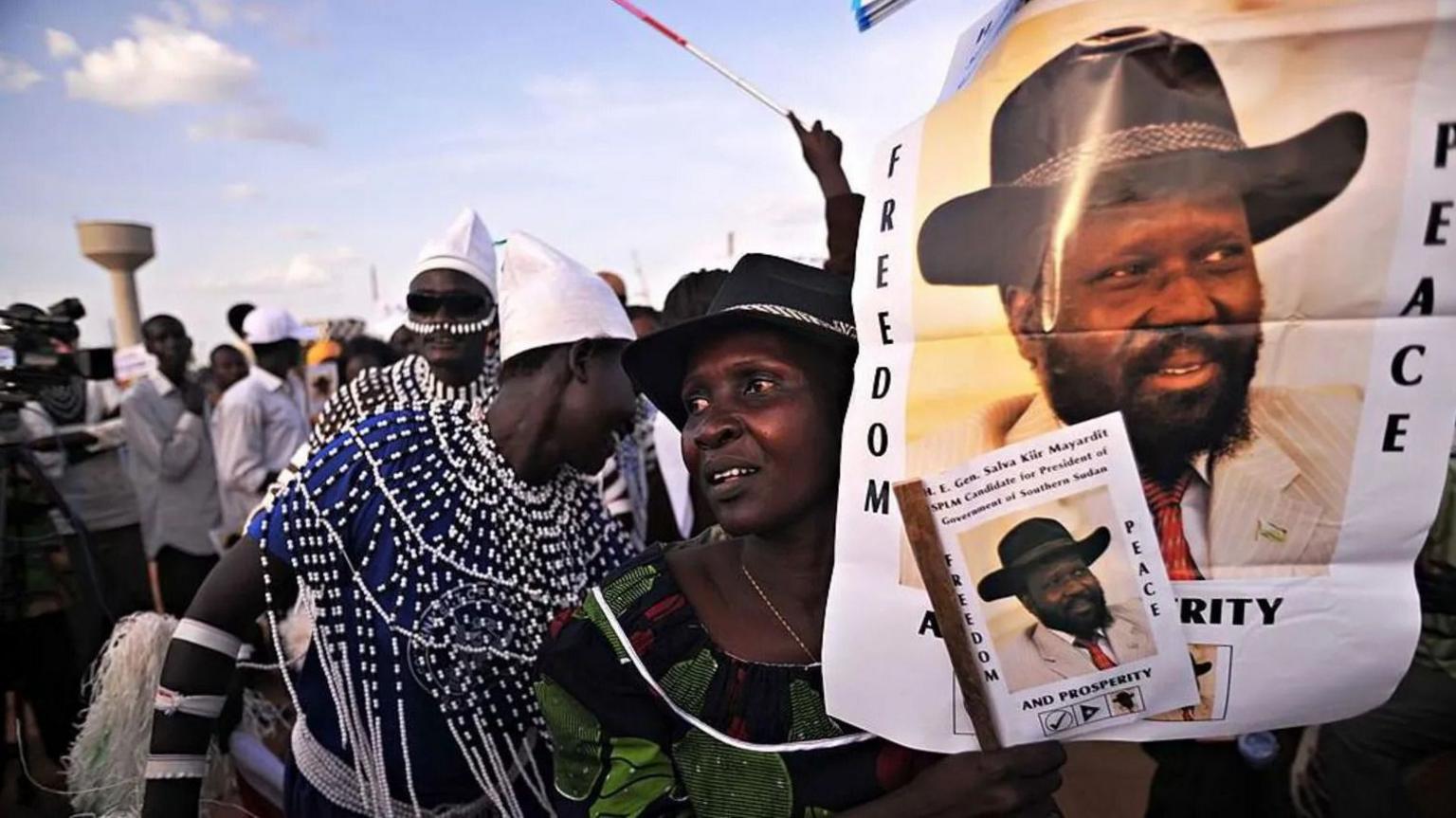
In a move that will reshape South Sudan’s political landscape, President Salva Kiir dissolved the transitional government and parliament on Monday, easing the road to the first national election slated for December 22. The action, carried out under an amended law signed earlier this week, also saw the removal of the five vice‑presidents, the reappointment of some ministers and governors in caretaker roles, and the appointment of a new national elections commission secretary‑general. With the main opposition figure Riek Makhar under house arrest and no declared challengers, Kiir will retain full constitutional powers until an elected president takes office. Security forces increased their presence in Juba, blocking entry to ministries and urging UN staff to work remotely. The dissolution underscores the fragile transition and highlights the urgency of a credible electoral process as the country heads toward its first democratic test.
President Salva Kiir has dissolved the country's transitional government, five vice‑presidents, parliament and state administrations, three-months before the first elections are to be held. The move, made under a law amended on Monday, intends to clear the way for a credible 2026 election scheduled for December 22.
In the short statement, Kiir said he would remain in office with full constitutional powers until a new president is sworn in. Several ministers and governors were re‑appointed in caretaker roles to maintain continuity while the election preparations resume.
Opposition leader Riek Makhar, who had served as vice‑president under a 2018 peace agreement, was dismissed last year, charged with treason and is now under house arrest. No prominent names have announced a run against Kiir.
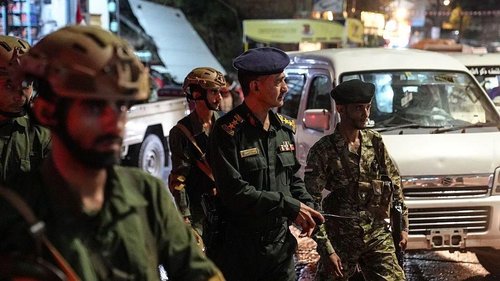
Security units intensified their presence in the capital, Juba. Soldiers blocked access to ministries and patrols were seen in key parts of the city; staff arriving at government offices were turned away, while Union partners in the city has taken to remote work.
This dissolution marks a decisive step in a process that began at the time of independence in 2011 and has seen multiple election postponements and extension of the transitional period.
Related information: