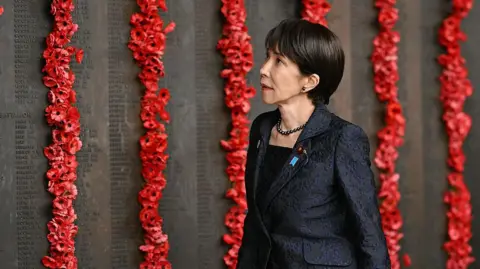
The leader of Taiwan's main opposition party, Cheng Li-wun, arrived in China today, making her the first incumbent chief of the Kuomintang (KMT) to visit the country in over a decade. Cheng expressed her willingness to serve as a 'bridge for peace' during her trip, which comes in response to an invitation from President Xi Jinping.
Since the Democratic Progressive Party's Tsai Ing-wen assumed the presidency in May 2016, Beijing has limited communications with Taiwan, following Tsai's refusal to endorse the notion of a single Chinese nation. Cheng is expected to meet with Xi during her six-day stay, which will take her to cities including Shanghai, Nanjing, and Beijing.
While the KMT has historically maintained close ties with China, Cheng's proactive approach in visiting contrasts sharply with her predecessors, who were more cautious regarding cross-strait relations. Political analysts suggest that this visit reflects Cheng's strategy to present herself as a leader capable of fostering cross-strait exchanges and easing tensions.
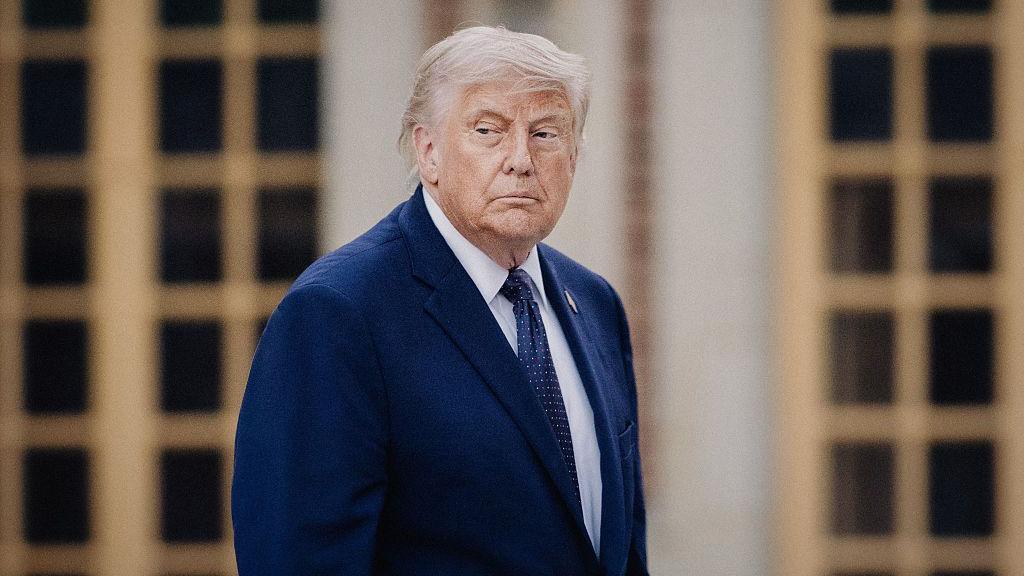
The backdrop of Cheng's visit is a growing skepticism about U.S. commitments in Taiwan, driven by mixed signals from former President Donald Trump regarding U.S. policy towards Taiwan and ongoing Middle Eastern conflicts. Cheng's diplomatic overture is also seen as a tactic to enhance her position before upcoming local elections.
Observers note that while Cheng's intentions may paint her as a potential conciliator, sentiment in Taiwan regarding her relationship with Beijing is mixed. Critics within Taiwan label her an opportunist, questioning her motivations and political principles.
Cheng once supported Taiwan's independence but has shifted to cultivate a reputation as a peace builder with the goal of strengthening her leadership stature while exposing the current administration's inability to resume engagement with China. The visit reflects broader geopolitical dynamics, particularly China's views on Taiwan as a breakaway province and the challenges faced by Taiwanese leadership amidst complex international relations.