In brief
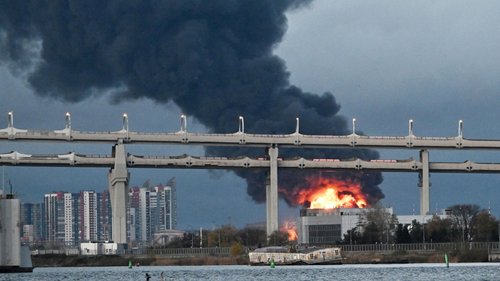
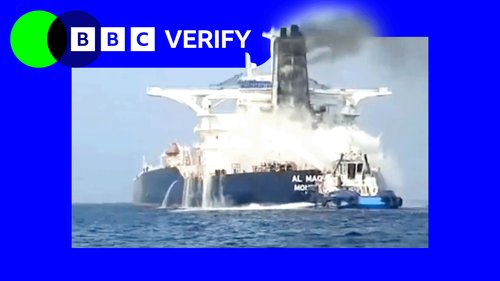
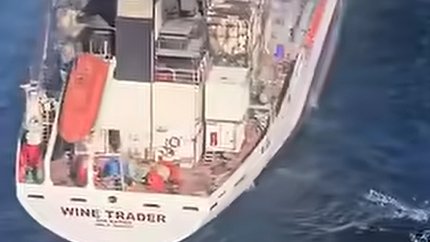
The Antigua‑and‑Barbuda‑flagged oil tanker Acers was struck by multiple projectiles 51 nautical miles north of Qatar’s coast, according to the UK Maritime Trade Operations agency. Casualties were reported, marking the first such deep‑water attack since early September. The incident comes amid a broader uptick in shipping assaults linked to the Iran‑war, with 24 seafarers killed in 93 confirmed attacks across the region. The Strait of Hormuz, a critical artery for global oil shipments, remains tightly monitored by U.S. naval forces amid ongoing blockades and retaliatory provocations.
The Antigua‑and‑Barbuda‑flagged oil and chemical tanker Acers was hit by several projectiles 51 nautical miles (94 km) north of Qatar’s coast, the United Kingdom Maritime Trade Operations (UKMTO) said on Saturday.
According to maritime‑intelligence firm Vanguard, the vessel was sailing towards the Strait of Hormuz when the attack occurred. Casualties have been confirmed, though the exact number remains unclear.
The incident is the latest in a series of attacks on merchant vessels in the region, a trend that has accelerated since the opening of the Iran‑war in February. The International Maritime Organization (IMO) reports 24 seafarers killed in 93 confirmed incidents.
The most recent fatal attack took place on 9 September when two sailors were killed on the Panama‑flagged tanker El Gaia in the Strait of Hormuz. That was the last reported incident west of the strait until now, noting Admiral Martin Kelly of the EOS Risk Group.
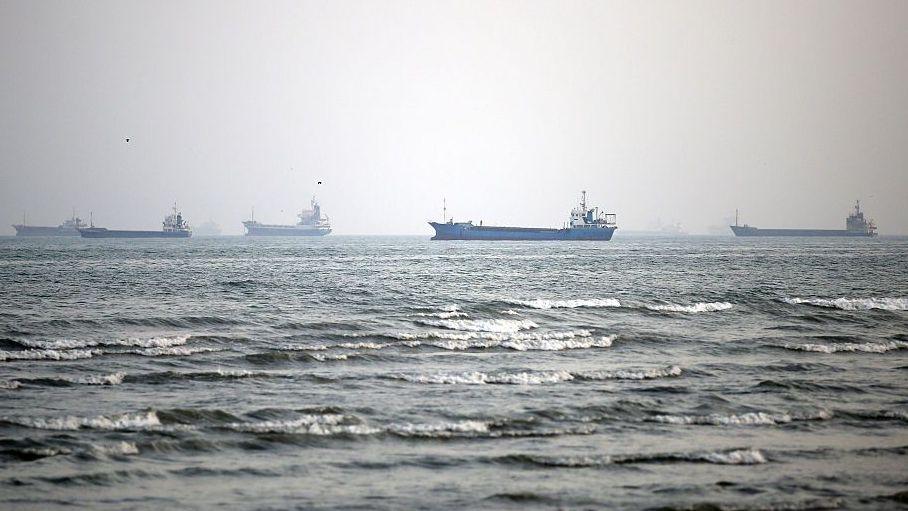
The Strait of Hormuz, through which roughly a fifth of the world’s oil and gas shipments flow, has been effectively shut since the war began. The U.S. has maintained a naval blockade of Iranian ports and escorted vessels using southern routes to avoid Iranian-controlled waters.
While a tentative deal to reopen the strait was signed in June, it collapsed when Iranian attacks on shipping resumed and the U.S. reinstated its blockade, prompting heightened tensions and leading to new militant strikes.
According to shipping‑data company Kpler, crude exports through the waterway averaged 12 million barrels per day over the past fortnight, about 80 % of pre‑war levels.
The map below illustrates the strategic position of the Strait of Hormuz and its surrounding waters.