In brief
Russia and Ukraine have reached a tentative truce ahead of Orthodox Easter. Russian President Vladimir Putin has ordered a ceasefire starting April 11, coinciding with calls from Ukrainian President Volodymyr Zelensky for non-violence during the holiday. However, skepticism surrounds the effectiveness of this truce due to past violations and ongoing aggressive actions from both sides.
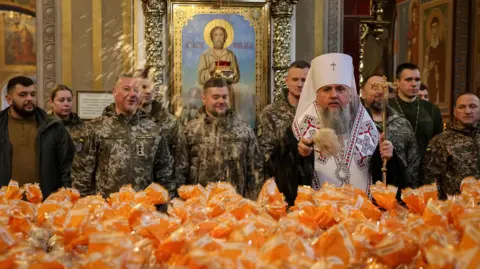
In a significant announcement, Russia and Ukraine have agreed to a temporary ceasefire for Orthodox Easter, with President Vladimir Putin declaring a halt to hostilities. This truce will commence on April 11 at 16:00 local time and is set to last through Easter Sunday, with Putin ordering Russian forces to prepare for any potential provocations.
This development comes after repeated calls from Ukrainian President Volodymyr Zelensky for a ceasefire that had been largely ignored by Moscow. Zelensky has now indicated that Ukraine stands ready for mutual actions to uphold the peace during the holiday, emphasizing the need for a respite free from threats.
Yet, with past experiences of ceasefire violations, especially during significant dates, there remains a deep skepticism among Ukrainians regarding the trustworthiness of Russia's commitments. In his message, Zelensky pointed out the necessity for a peace-oriented approach, emphasizing that the people need a secure environment during Easter.
As the conflict remains intense, a temporary pause in operations would offer relief to soldiers on the frontlines in eastern Ukraine, allowing civilians a momentary escape from the constant threat of drone attacks and missile strikes.