The Complex Dynamics of Trump's Iran Crisis and NATO's Stance
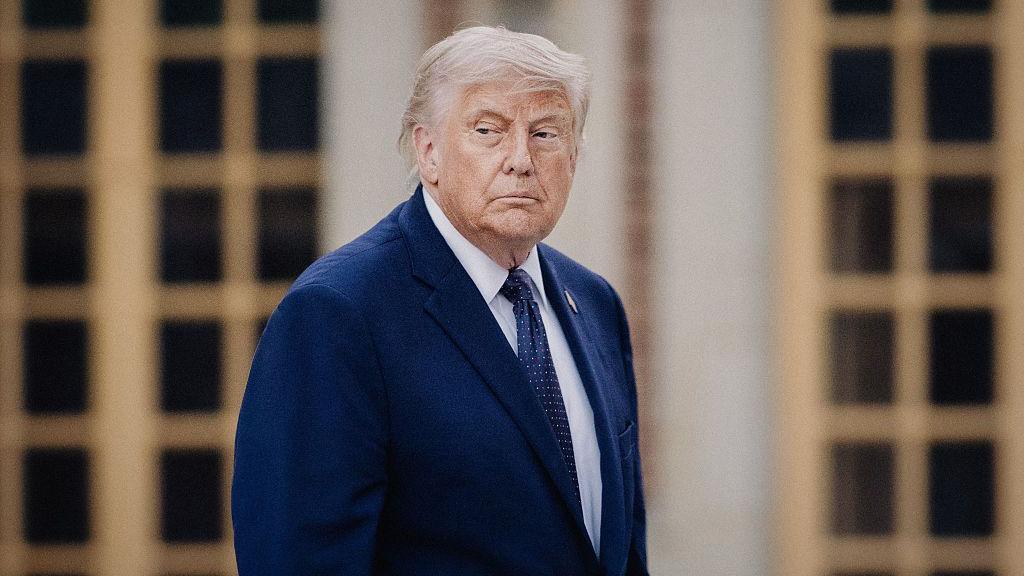
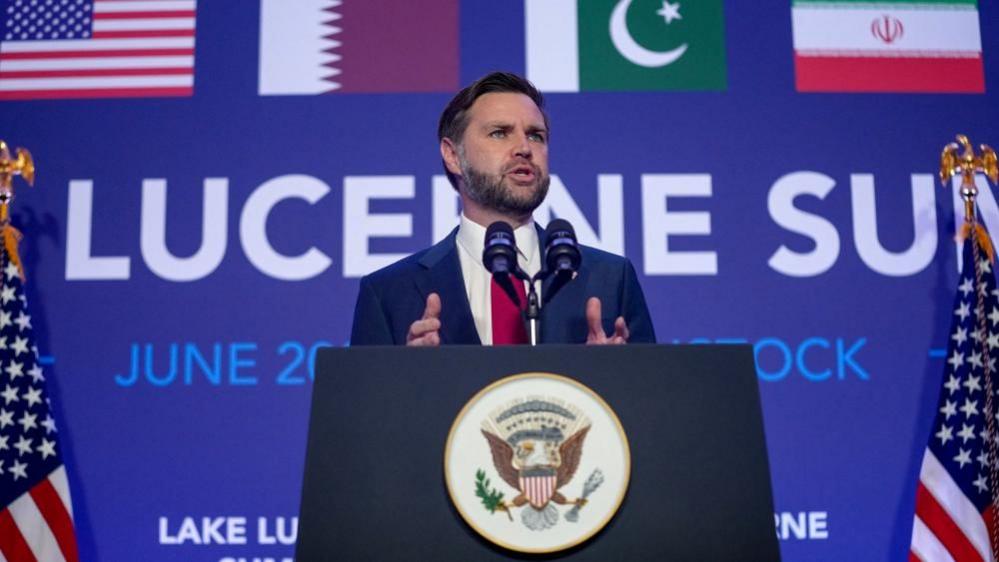
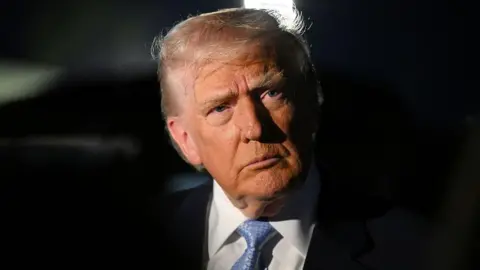
Throughout his presidency, Donald Trump has openly criticized NATO allies, and his recent comments regarding the Strait of Hormuz have raised eyebrows among international observers. Trump warned that failure to secure this critical waterway would jeopardize NATO's future. However, this assertion has prompted significant pushback from European leaders, who remind him that NATO was founded as a defensive alliance and not a tool for unilateral military action.
General Sir Nick Carter, former chief of the UK Defence Staff, pointed out that NATO's purpose is not to compel allies into a military campaign chosen by one member state. The hesitancy seen among NATO allies is further highlighted by Germany's Defence Minister Boris Pistorius, who questioned what impact European naval forces could realistically have.
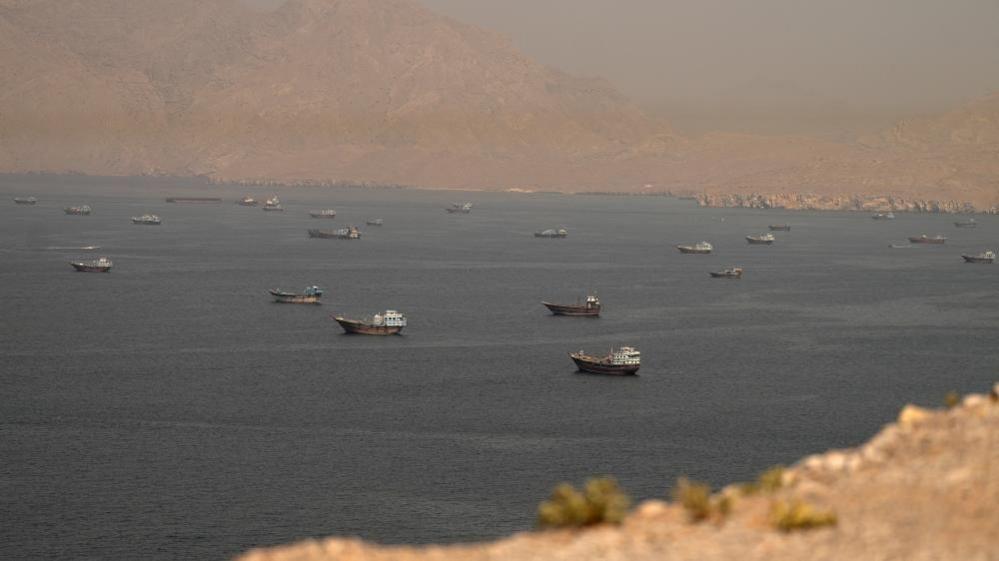
Amid this backdrop, the urgent need for a diplomatic resolution to the Gulf crisis remains clear. The blocking of the Strait of Hormuz by Iranian forces has significant implications for global oil supplies, pushing Western nations to seek solutions before economic repercussions worsen.
UK Prime Minister Sir Keir Starmer acknowledged ongoing discussions with global partners but emphasized the absence of a concrete plan as of now. Finding a path forward is crucial, yet there is no quick resolution in sight, as allies navigate a complex web of military, diplomatic, and public sentiment surrounding the crisis.
A growing reluctance among allies to participate in military operations, particularly with the potential for escalation against Iran, reflects a cautious approach. It's important to consider the unanticipated consequences these actions might yield, as well as the historical precedent of previous military interventions.
This moment presents a pivotal challenge not only for Trump but also for NATO’s coherence as member states weighs their national interests against the collective defense obligations of the alliance.