The Glass Cliff: Examining Women's Challenges in Australian Politics
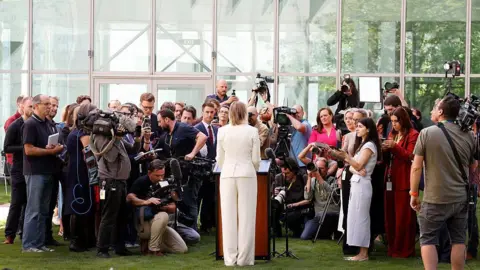
When Sussan Ley made history as the first woman to lead Australia’s Liberal Party, she sparked hope for improved representation of women in Australian politics. Yet, her swift ousting after only nine months raises critical questions about whether her leadership was merely a case of reaching a 'glass cliff'—a situation where women in positions of power are often set up to fail during crises.
The 'glass cliff' concept suggests that women and minorities are promoted to leadership roles during tumultuous times, increasing the likelihood of failure. Ley stepped into leadership after the Liberal Party faced a historic electoral defeat amid internal chaos, making her position precarious from the start.
After a leadership ballot where Ley was ousted by Angus Taylor, debates emerged around her performance and the role gender might have played in her removal. Advocates for Ley argue she did not have a fair chance due to biases against female leaders, while critics assert her failure stemmed from poor performance under challenging circumstances.
This incident has reignited discussions about the representation of women in Australian politics. Despite incremental progress within party structures, women remain underrepresented, particularly in top leadership roles. The Labor Party, by contrast, has successfully implemented quotas, increasing the number of women in parliament significantly.
Political analysts view Ley's experiences as reflective of broader systemic issues, needing more robust support systems for women leaders. They note that while critics dismiss the 'glass cliff' as an excuse, issues of gender equity persist, highlighting the necessity for parties like the Liberal Party to embrace diversity actively.
As Ley resigns from parliament, it remains uncertain whether her exit will lead to any meaningful changes in the political landscape for women in Australia. There is a collective call for parties to learn from these events, to better reflect a diverse society, and to support women who seek leadership roles during less tumultuous times.