Warning: Readers may find some of the content distressing
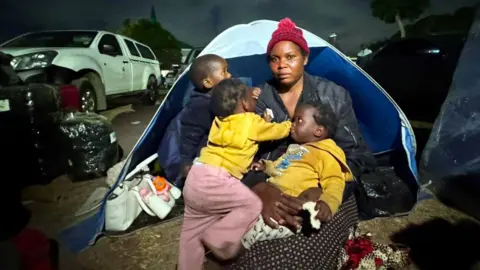
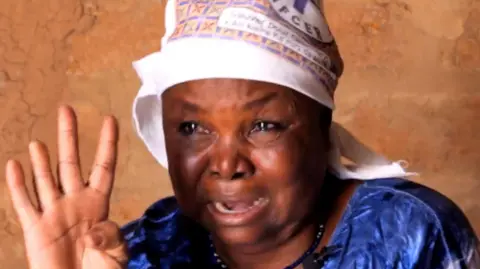
Sitting in a dim room at a refugee camp in Ivory Coast, Yameogo Aminata, 57, is haunted by memories of the murder of her four sons by jihadists in her home country, Burkina Faso.
In 2022, she was away from her home when the armed insurgents - terrorizing communities in central Burkina Faso for almost 15 years - struck. The jihadists forcefully took over her village, seizing cattle and land, and killing many residents - including her sons aged between 25 and 32.
They slit the throats of four of my children, she recounted, her body shaking as emotions overwhelmed her. When I arrived, they were killing my fourth son.
Aminata attempted to resist, grabbing a knife to fight back, but was overpowered, beaten, and left with severe injuries. In addition to losing her sons, her daughter went missing during the attack.
In 2023, Aminata fled to the Nioronigué camp in neighboring Ivory Coast. I don't know how to handle my life. I have nothing, she expressed during a heartbreaking interview.
At least 10,000 people have been killed in the insurgency affecting Burkina Faso, Mali, and Niger, with the United Nations deeming it the epicenter of global jihadist violence.
Similar stories echo throughout the refuge where many are sharing tales of lost loved ones and lingering trauma. Farmers like Hassane Tall, who fled with his family due to the incessant violence, describe living under constant threat from jihadist groups and security forces.
The Nioronigué camp, established by the UN and Ivorian authorities, is now housing around 13,000 refugees, significantly exceeding its intended capacity of 6,000 inhabitants. The arrival of over 80,000 refugees into Ivory Coast from Burkina Faso is outpacing humanitarian resources, leading to concerns from local officials and humanitarian organizations.
Despite the challenges, government representatives declare solidarity with the refugees, stating that they share the same history and culture. UN representatives warn, however, that the influx is straining limited resources.
As Aminata and other refugees like Hassane adjust to a new life marked by grief and uncertainty, the call for peace in Burkina Faso remains strong. We just pray to God that peace comes back to Burkina Faso, Aminata shares, carrying the memories of her lost family as a heartbreaking reminder of the violence that forced her to flee.