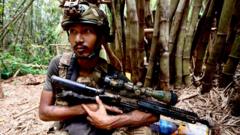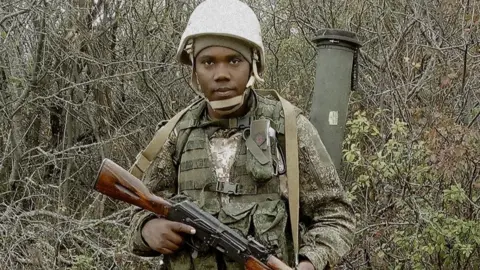
Kenya says it will talk to Russia over growing reports that its citizens are being recruited to fight in the war in Ukraine. Speaking to the BBC, Foreign Minister Musalia Mudavadi called the practice 'unacceptable and clandestine', noting that Nairobi had shut down illegal recruiters and intends to urge Moscow to sign a deal banning the conscription of Kenyan soldiers.
The Kenyan government estimates that approximately 200 of its nationals have been recruited to fight for Russia, with the exact number still unclear as it maintains that none of them traveled through official channels.
Kenya and Russia have had long relations since independence, which makes this an unfortunate episode of otherwise positive and cordial relations between the two countries, Mudavadi stated. He emphasized that Kenya's engagement with Russia will focus on curbing illegal recruitment practices, including discussions on visa policy and labor agreements excluding military conscription.
More than 600 recruitment agencies suspected of duping Kenyans with false job promises have been shut down by the authorities. So far, 27 Kenyans who had been fighting with Russian forces have been repatriated, and the government is providing psychological care to assist them with their trauma and 'de-radicalization'.
It remains unclear how many Kenyans may have died while fighting for Russia, as the Russian government has not formally addressed these reports. Reports from relatives seeking information about loved ones at the Russian embassy in Nairobi have often met with dismissal.
Families we have spoken to express their frustration over being unable to bury their loved ones, as their bodies remain on the battlefield, said Mudavadi. He explained that efforts are underway to work with the Ukrainian government to facilitate the repatriation of remains.
The recent discovery of more bodies of Kenyans who were recruited to fight for Russia has intensified pressure on the Kenyan government to take action. While some families blame the government for the lack of regulation surrounding clandestine recruitment agencies, Mudavadi insists that they have been actively dismantling illegal operations.
In the broader context, Ukrainian intelligence reports indicate that over 1,400 individuals from 36 African countries have been recruited to fight for Russia. The situation highlights a complex international narrative, with some African nations also criticized for attempting to recruit nationals to serve in their military efforts against Russia.
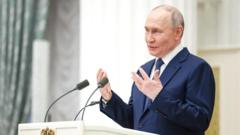
In a parallel development, South Africa's government recently announced that President Vladimir Putin had pledged to assist in returning South African nationals who had traveled to Ukraine to join Russian troops, showcasing the intricate links between recruitment and international relations in the context of the ongoing conflict.