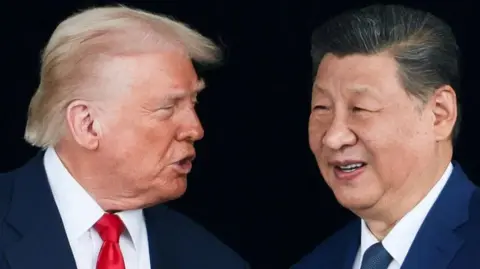
In a significant conversation between global leaders, Chinese President Xi Jinping addressed U.S. President Donald Trump, reiterating that Taiwan is the 'most important issue' affecting China-U.S. relations. Xi urged Trump to adopt a cautious approach regarding arms supplies to Taiwan, which China regards as an integral part of its territory. Xi expressed his commitment to fostering a productive relationship with the U.S., indicating a preference for dialogue to resolve differences.
Trump praised the call as 'excellent', describing their discussion as 'long and thorough'. He noted that ties with China were improving, especially in light of recent engagements from Western leaders seeking to enhance relations with Beijing.
Both leaders also touched on various pressing global issues during their talk. Among them were China’s potential purchase of 20 million tonnes of U.S. soybeans and the implications of the ongoing conflicts in Ukraine and Iran. Trump emphasized the importance of maintaining a strong partnership with Xi, acknowledging that their relationship plays a critical role in global stability.
Xi's statement about Taiwan underlines the sensitivity and complexity of U.S.-China relations, especially considering the history of tensions surrounding Taiwan's sovereignty. The U.S. has been Taiwan's principal arms supplier, a fact that has historically raised alarms in Beijing. Xi remains firm in asserting China's sovereignty over Taiwan, warning that U.S. arms sales could exacerbate tensions in the region.
As the geopolitical landscape evolves, this exchange reflects both leaders' attempts to balance national interests with the necessity for diplomacy. Despite ongoing challenges, including trade imbalances and technological competition, the two nations appear committed to finding common ground.
This dialogue comes on the heels of anticipated visits by Trump to China, highlighting the dynamic nature of international relationships in the present era, marked by a mix of cooperation and competition.