With control of Congress on the ballot in November, state attorney general races can be easily overshadowed. However, just outside of the election spotlight, partisan groups, corporate interests, and advocacy networks are gearing up campaigns for positions that are increasingly significant in American politics.
Republican organizations focused on these contests reported raising a record $29 million last year, preparing for 2026 midterms. Meanwhile, their Democratic counterparts announced $28 million in funding, which is double the average for this point in the election cycle.
About 30 attorney general seats are up for election this year, with substantial funding from technology firms, tobacco companies, and others that might face scrutiny from the states’ top legal officers. The influx of money reflects the rising importance of the role in shaping national policies and serving as a potential launchpad for higher office.
James Tierney, a former attorney general for Maine, noted, “Because we try to address many issues with lawsuits, the attorney general's office has gained importance.”
Attorneys General as Political Stepping Stones
Currently, six attorneys general are running for governor positions this year. Among the ten sitting governors who transitioned from attorney general roles, three were elected in 2024.
Kamal Harris, California’s former attorney general, had several finalists from the attorney general realm vying for her vice-presidential running mate in 2024, including Josh Shapiro from Pennsylvania and Roy Cooper from North Carolina.
On the Republican front, Pam Bondi, who served as an attorney general in Florida, remains a prominent figure following her association with President Trump.
According to Adam Piper, director of the Republican Attorneys General Association, the political prospects linked to the office are driving donor interest. “The AGs used to be the underdogs in these races; now they’re the frontrunners,” he stated.
Key races are emerging in competitive states where Democrats prevailed in 2022, including Arizona, Michigan, Nevada, and Wisconsin. Conversely, Democrats are optimistic about seizing seats in traditionally Republican-dominated areas like Georgia and Kansas, while Republicans aim for wins in New York and Minnesota.
Texas: A Contest of Legal Ambition
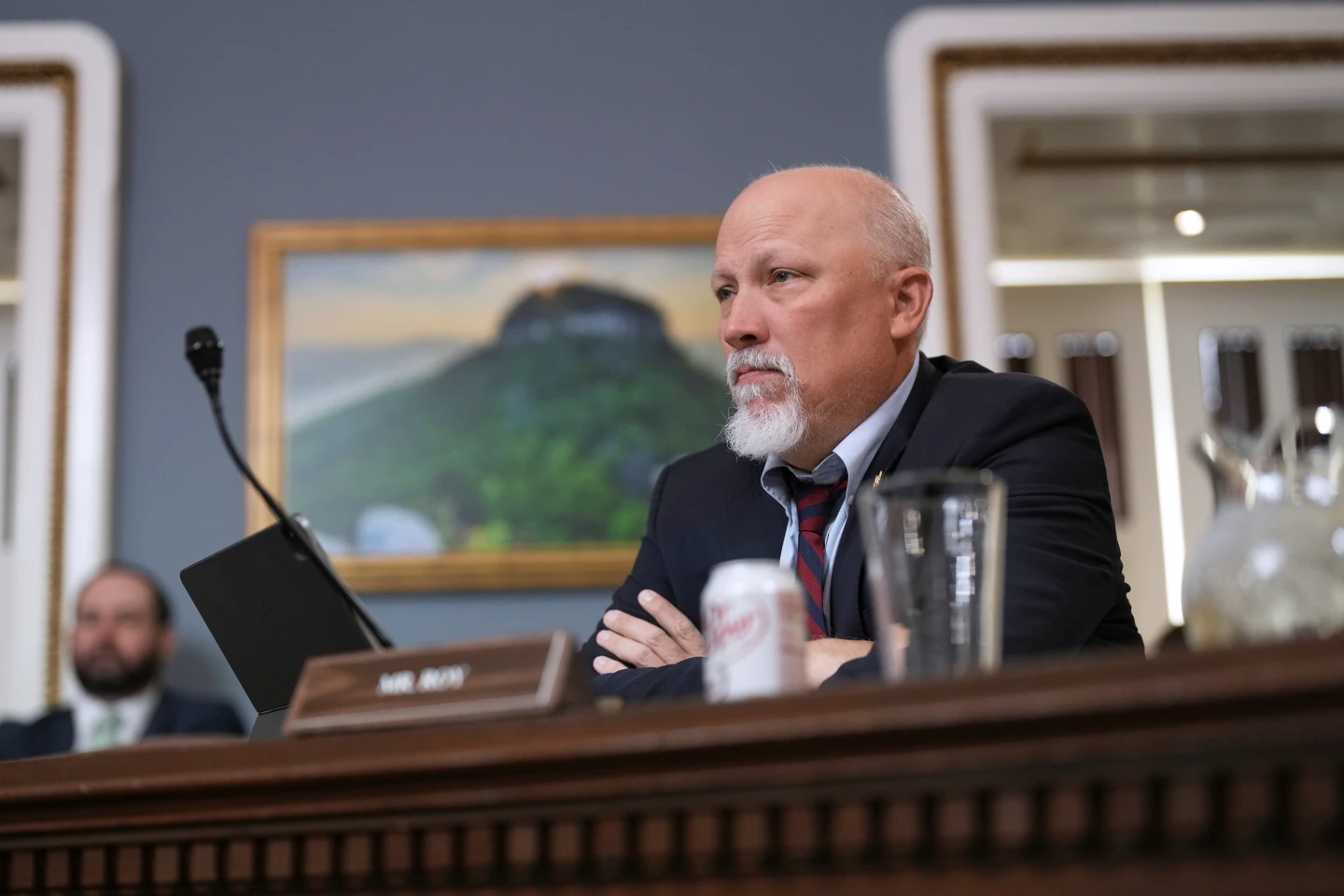
Notably, in Texas, U.S. Rep. Chip Roy faces off against state Sen. Mayes Middleton for the party's attorney general nomination. Current AG Ken Paxton is running for a GOP Senate nomination, following controversies including impeachment acquittal and legal challenges surrounding abortion and gender-affirming care.
Both Roy and Middleton have declared intentions to combat what they term the “Islamification” of Texas. Middleton mentioned investigating financier George Soros during a debate, proposing inquiries into alleged crimes he attributes to the donor.
Roy articulated a key reason for his shift to state office: “I’ll be one of one instead of one of 435 fighting for you.”
The victor of their race will face either state Sen. Nathan Johnson or former Galveston Mayor Joe Jaworski in the Democratic runoff, with any Democratic win in Texas considered an upset.
Lawsuits Against the Trump Administration
This month, 24 Democratic officials, including 22 attorneys general, initiated a lawsuit against the Trump administration regarding imposed tariffs, following a Supreme Court ruling that rejected previous efforts to establish such penalties.
In a practice honed over the past years, the Progressive State Leaders Committee indicates that Democratic attorneys general have filed over 80 lawsuits against the Trump government, achieving favorable rulings in many instances.
Sean Rankin, president of the Democratic Attorneys General Association, emphasized their unique position to address grievances against Trump due to a compliant congressional landscape.
Arizona: Legal Controversies and Campaign Dynamics
Recently elected Arizona AG Kris Mayes claims her office's lawsuits have saved the state $1.5 billion, stressing the necessity of having an attorney general ready to challenge the federal government.
Republican contender Rodney Glassman has made opposition to Mayes’s challenges to federal policies a central theme of his campaign, criticizing her office's actions as politically motivated. If elected, he pledges to halt prosecutions targeting figures associated with Trump’s attempts to invalidate the election results in Arizona.
A Republican win could potentially embolden efforts relaying misinformation surrounding voter fraud in the state.