A judge is expected to sentence OxyContin maker Purdue Pharma to forfeit $225 million to the Justice Department on Tuesday, paving the way for the company to finalize a settlement of tens of thousands of lawsuits over its role in the opioid crisis.
The penalty was agreed to as part of a 2020 agreement to resolve federal civil and criminal inquiries. If the judge approves the settlement, other penalties will not be collected in exchange for Purdue settling additional lawsuits.
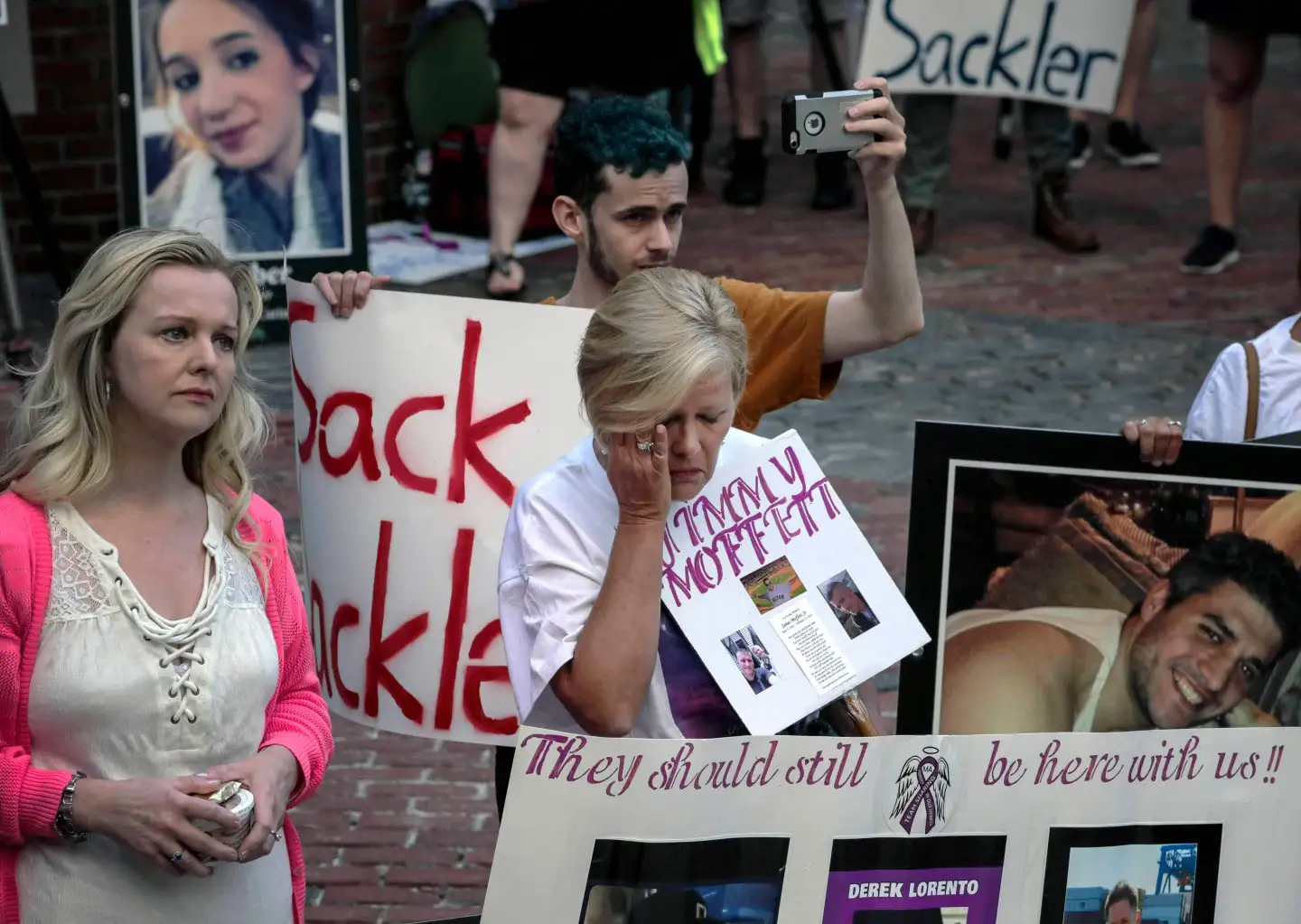
After enduring a protracted legal battle, the settlement was approved by another judge last year and is set to take effect on May 1. This deal obligates members of the Sackler family, who control Purdue, to pay up to $7 billion to various states, local jurisdictions, Native American tribes, and individual victims.
The sentence was years in the making
Purdue pleaded guilty to three criminal charges in November 2020, acknowledging that it failed to implement an effective program to prevent the diversion of its powerful prescription opioids to illegal markets, despite publicly asserting compliance to the Drug Enforcement Administration.
The company also admitted to financing doctors through a speakers program to increase prescriptions and incentivizing an electronic medical records company to promote more opioid use.
While Purdue is pegged to pay $225 million, the government agreed in the plea deal not to collect $5.3 billion in criminal forfeitures and fines and $2.8 billion in civil liabilities, with portions of this amount to be considered part of the more extensive settlement.
Up to $7 billion from Sackler family members
The overarching settlement calls for Sackler family members to contribute up to $7 billion over 15 years, primarily aimed at combating the ongoing opioid crisis. This settlement is among the largest involving drug manufacturers and includes compensation for some individual victims, marking a unique aspect in the settlements that have exceeded $50 billion in total.
The Sackler family would be granted immunity from lawsuits regarding opioids from individuals who accept the settlement terms and conditions. Following the company’s restructuring, Purdue will cease to exist, transitioning to Knoa Pharma, a new organization which will prioritize public health, overseen by a board appointed by the states.
The sentencing doesn’t include the company’s owners
Although members of the Sackler family have faced significant public scrutiny as primary players in the opioid epidemic, none have been criminally charged. Between 2008 and 2018, the family withdrew approximately $10.7 billion from Purdue, with no recent compensations since 2018 and their eventual exit from the company board in 2019.
Some victims are pushing for prosecutions
More than 54,000 individuals holding personal injury claims against Purdue accepted the settlement while others vehemently opposed it. Many victims and their families argue that the proposed settlement falls short of achieving justice for victims of the opioid crisis, attributed to approximately 900,000 deaths in the U.S. since 1999. As the sentencing approaches, victims like Susan Ousterman–who lost her son to an overdose–are vocalizing the need for stronger actions against those responsible for the crisis.