US President Donald Trump has reversed a key Obama-era scientific ruling that underpins all federal actions on curbing planet-warming gases. The so-called 2009 endangerment finding concluded that a range of greenhouse gases were a threat to public health. It's become the legal bedrock of federal efforts to rein in emissions, especially in vehicles.
The White House called the reversal the largest deregulation in American history, saying it would make cars cheaper, bringing down costs for automakers by $2,400 per vehicle. Environmental groups say the move is by far the most significant rollback on climate change yet attempted and are set to challenge it in the courts.
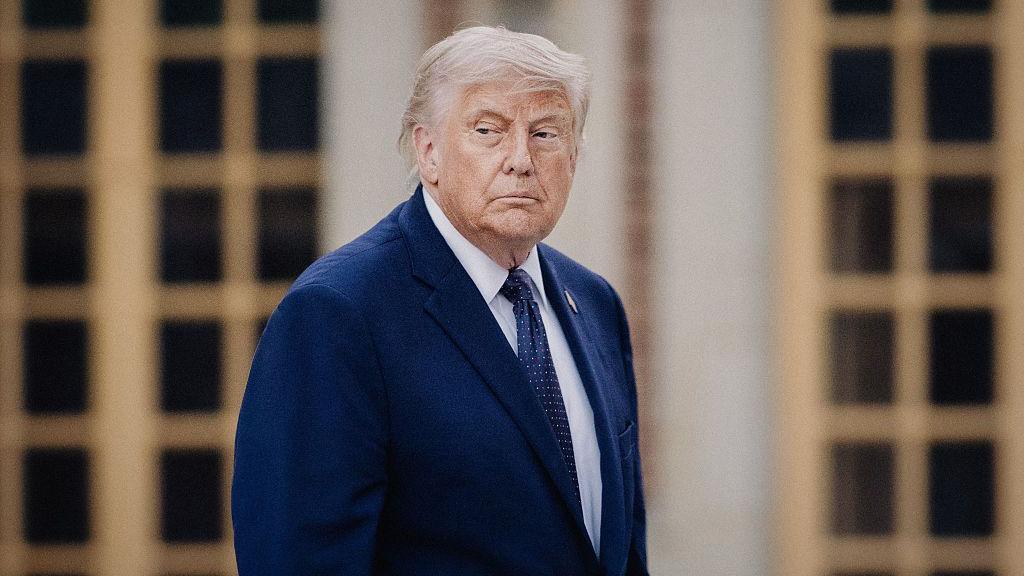
Speaking in the Oval Office, Trump described the 2009 ruling as a disastrous Obama era policy that severely damaged the American auto industry and massively drove up prices for American consumers. He labeled it as the foundation for the Democrats' climate agenda, calling it one of the greatest scams in history.
Former President Obama criticized the rollback, stating it would make Americans more vulnerable to health risks related to climate change, emphasizing, Without it, we'll be less safe, less healthy and less able to fight climate change — all so the fossil fuel industry can make even more money.
The environmental and economic consequences of repealing the finding are being closely scrutinized. While Trump administration officials claim it will save over $1 trillion and reduce consumer costs, critics argue that it will lead to increased fuel costs and health impacts, including thousands of premature deaths and increased asthma attacks.
The Environmental Protection Agency first established its stance on greenhouse gases in 2009, identifying six gases, including carbon dioxide and methane, as hazardous to human health. This ruling has formed the regulatory backbone for addressing emissions from various sectors, including automobiles and power plants. The move has generated divisive opinions among experts and stakeholders, setting the stage for ongoing legal battles and debates over future climate policy in the United States.
The White House called the reversal the largest deregulation in American history, saying it would make cars cheaper, bringing down costs for automakers by $2,400 per vehicle. Environmental groups say the move is by far the most significant rollback on climate change yet attempted and are set to challenge it in the courts.
Speaking in the Oval Office, Trump described the 2009 ruling as a disastrous Obama era policy that severely damaged the American auto industry and massively drove up prices for American consumers. He labeled it as the foundation for the Democrats' climate agenda, calling it one of the greatest scams in history.
Former President Obama criticized the rollback, stating it would make Americans more vulnerable to health risks related to climate change, emphasizing, Without it, we'll be less safe, less healthy and less able to fight climate change — all so the fossil fuel industry can make even more money.
The environmental and economic consequences of repealing the finding are being closely scrutinized. While Trump administration officials claim it will save over $1 trillion and reduce consumer costs, critics argue that it will lead to increased fuel costs and health impacts, including thousands of premature deaths and increased asthma attacks.
The Environmental Protection Agency first established its stance on greenhouse gases in 2009, identifying six gases, including carbon dioxide and methane, as hazardous to human health. This ruling has formed the regulatory backbone for addressing emissions from various sectors, including automobiles and power plants. The move has generated divisive opinions among experts and stakeholders, setting the stage for ongoing legal battles and debates over future climate policy in the United States.