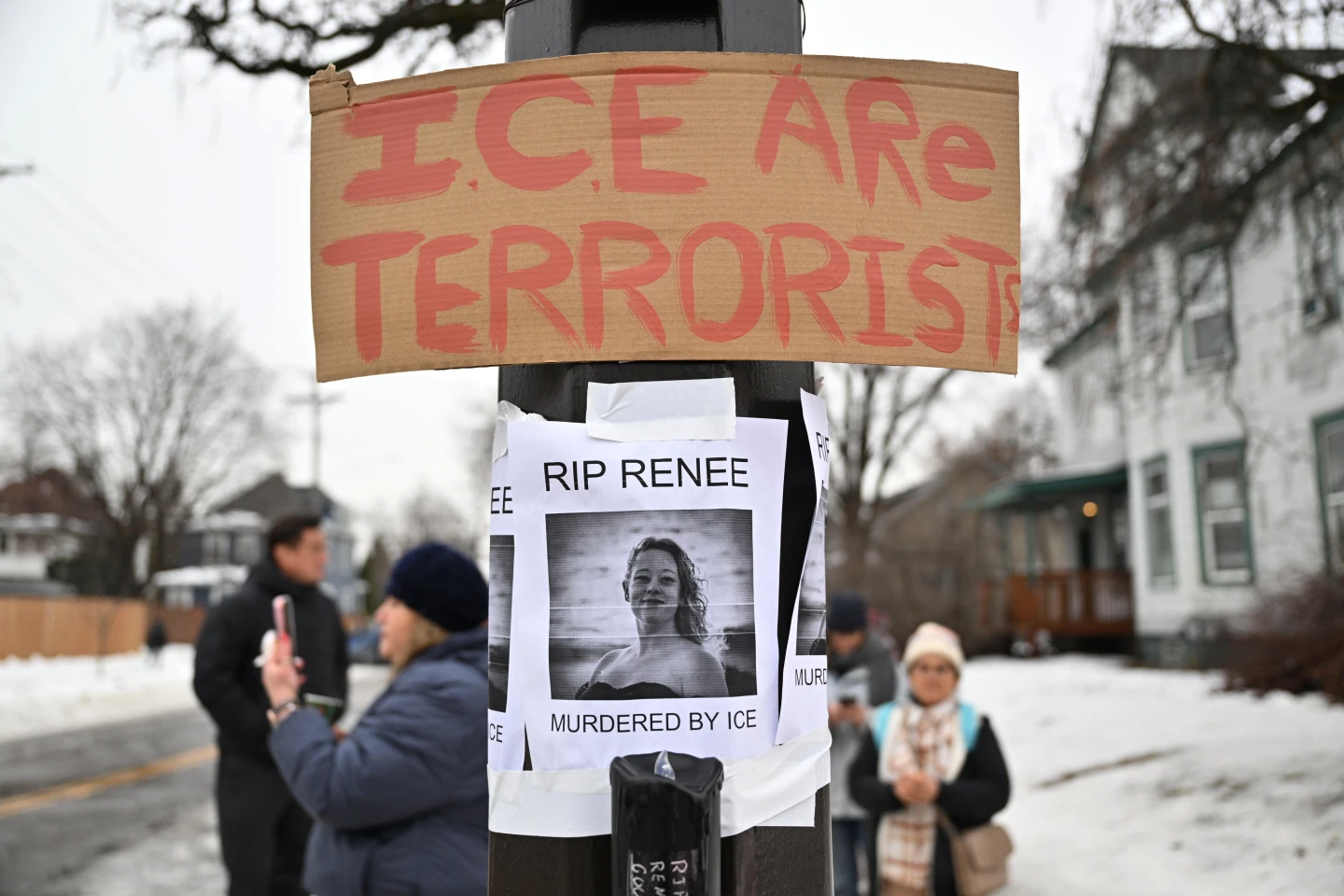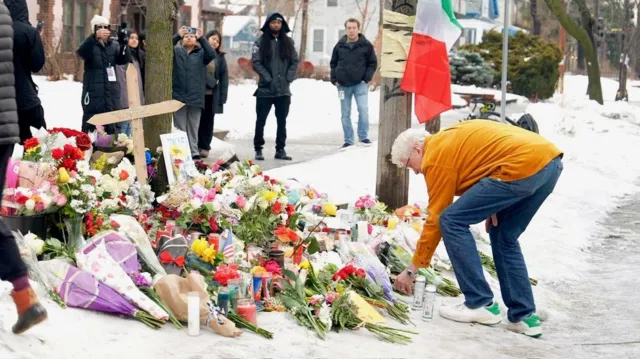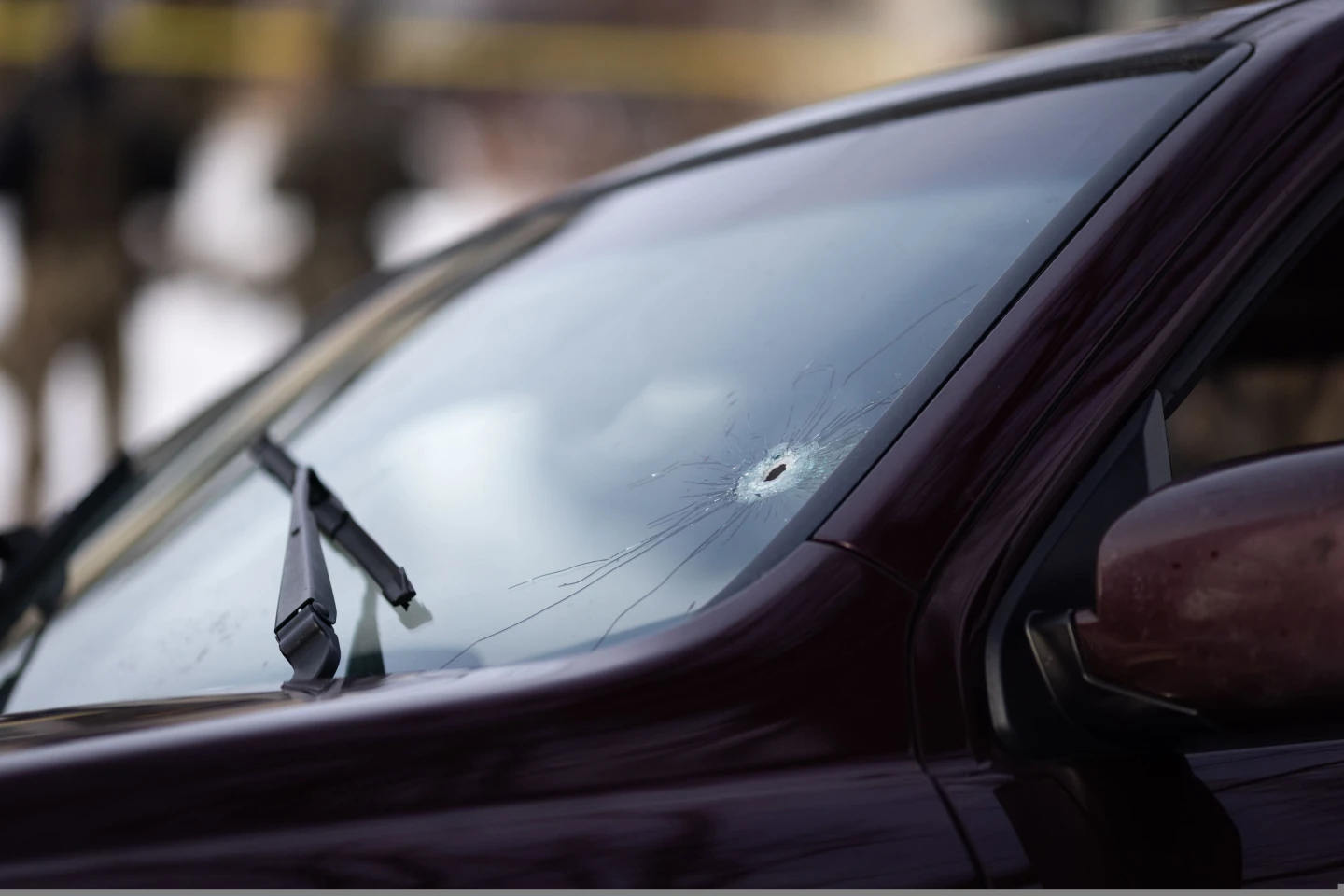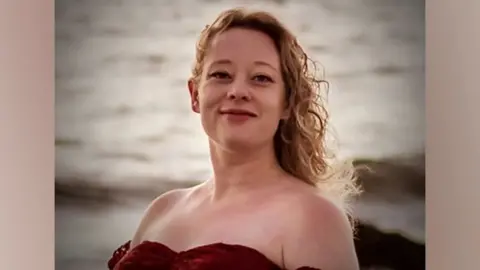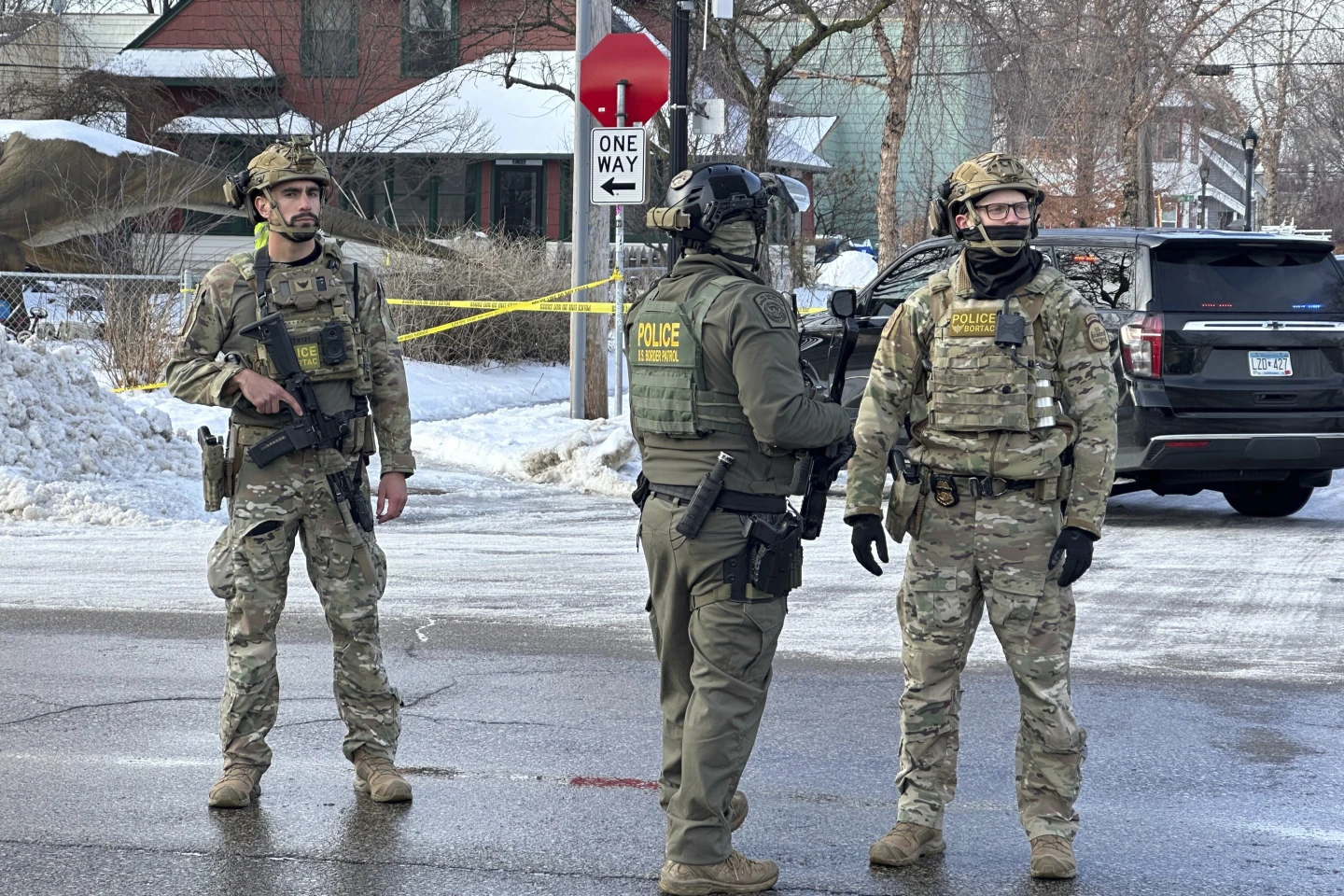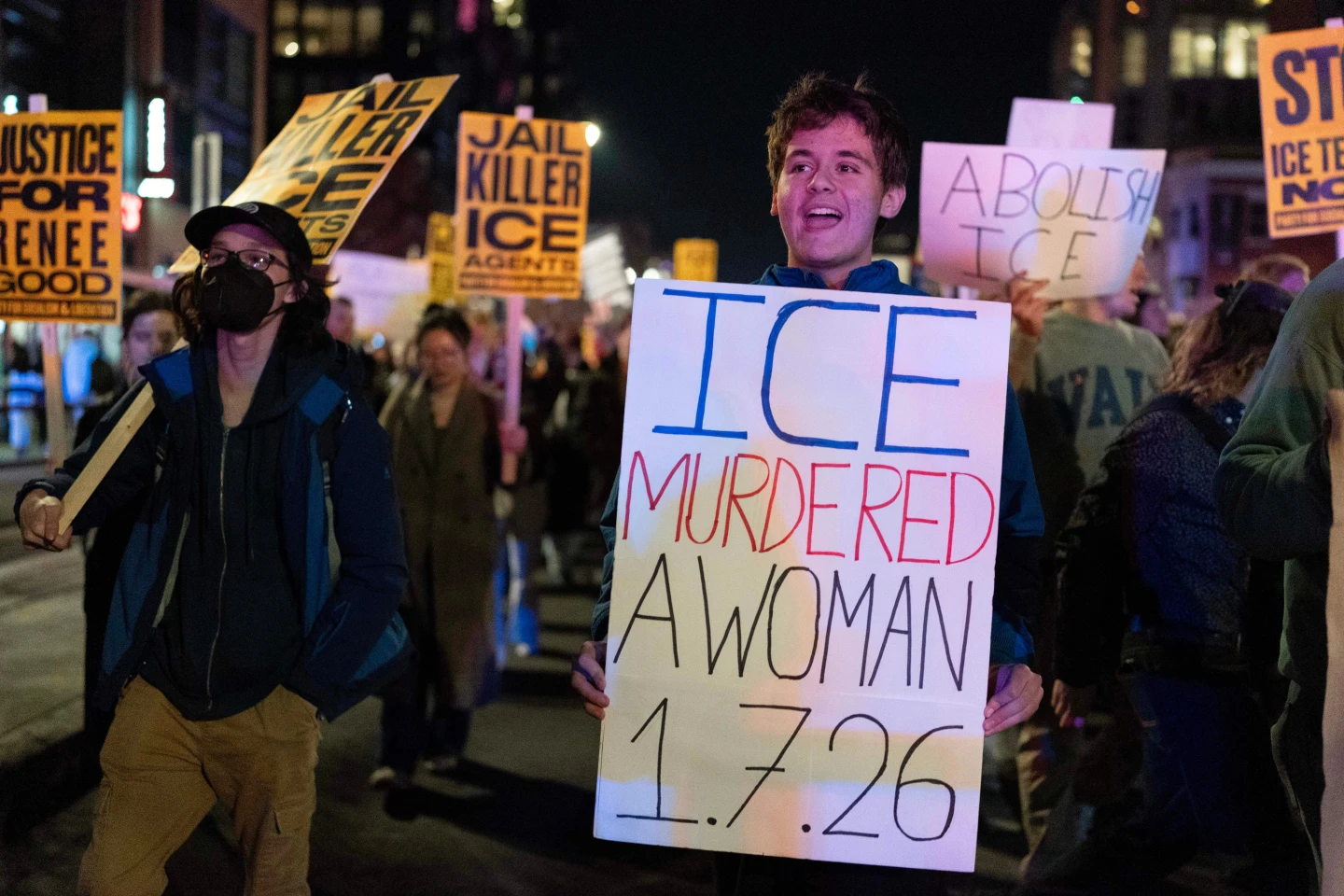
The federal officer intervenes at a residential Minneapolis street where a Honda SUV is precariously parked, positioning himself directly in front of the vehicle. Within moments, he fatally shoots the driver, Renee Good, a 37-year-old mother of three. Federal officials assert the officer acted in self-defense, stating Good displayed violent behavior while attempting to escape. However, this incident has sparked significant debate among law enforcement experts about the appropriateness of the officer's actions.
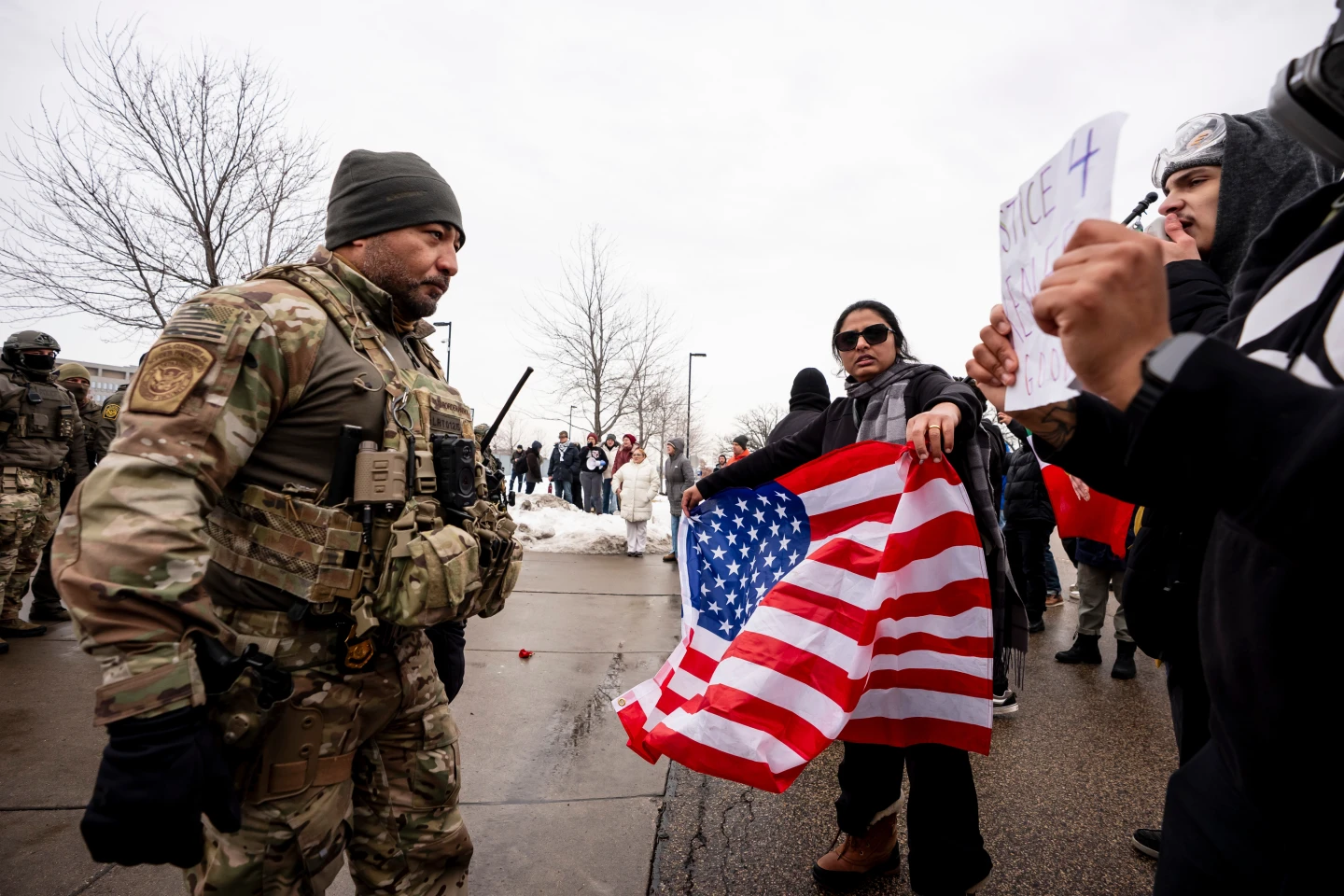
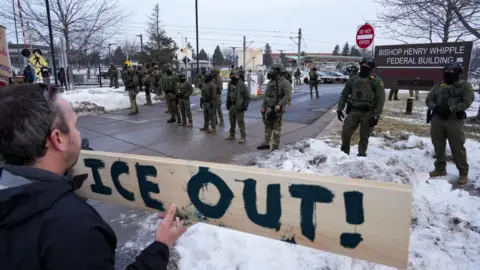
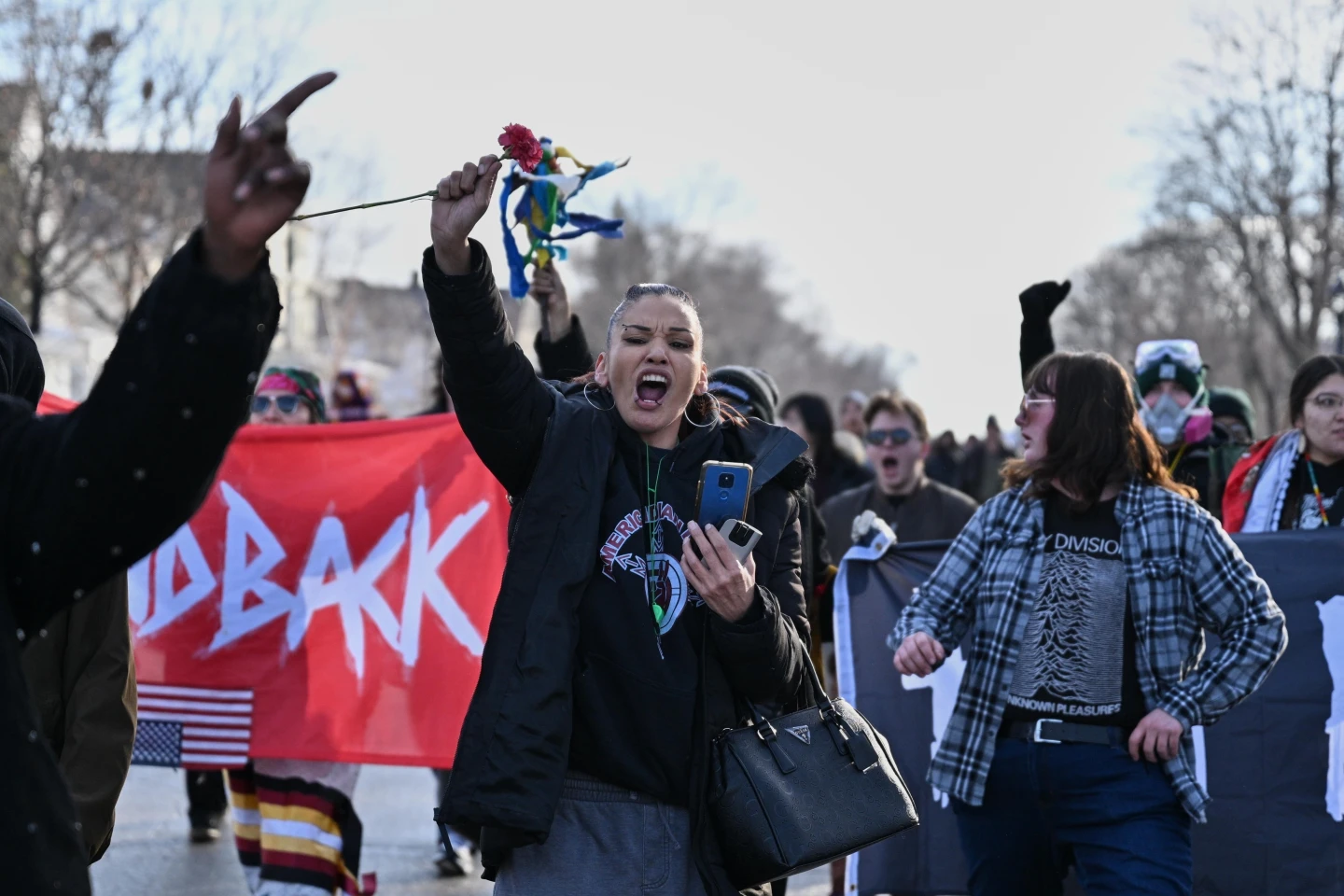
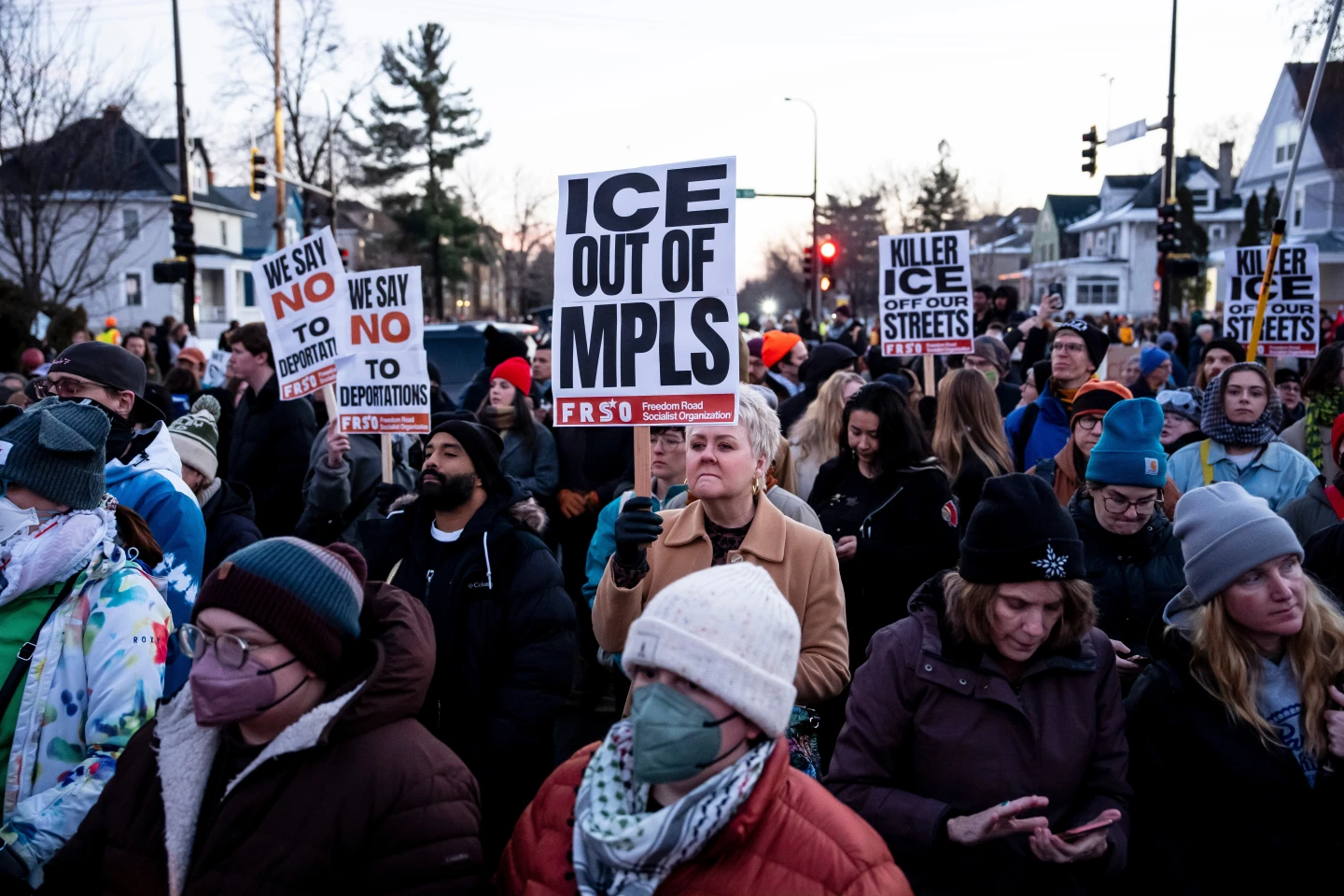
Eyewitness accounts describe the chaotic scene, where bystanders attempted to intervene, urging officers to reconsider their confrontational stance. Videos captured by residents show the officers shouting orders, while multiple neighbors expressed their disapproval towards the officers’ presence. Some documented the events as a clear example of excessive force by federal agents amid heightened tensions surrounding immigration enforcement.
Experts like Geoffrey P. Alpert from the University of South Carolina emphasize that the standards governing safe police conduct dissuade officers from approaching a vehicle in such a threatening manner. Questions about the rationale behind the officer's decision to block the vehicle emerge, with some suggesting that allowing the driver to leave might have been a safer alternative.
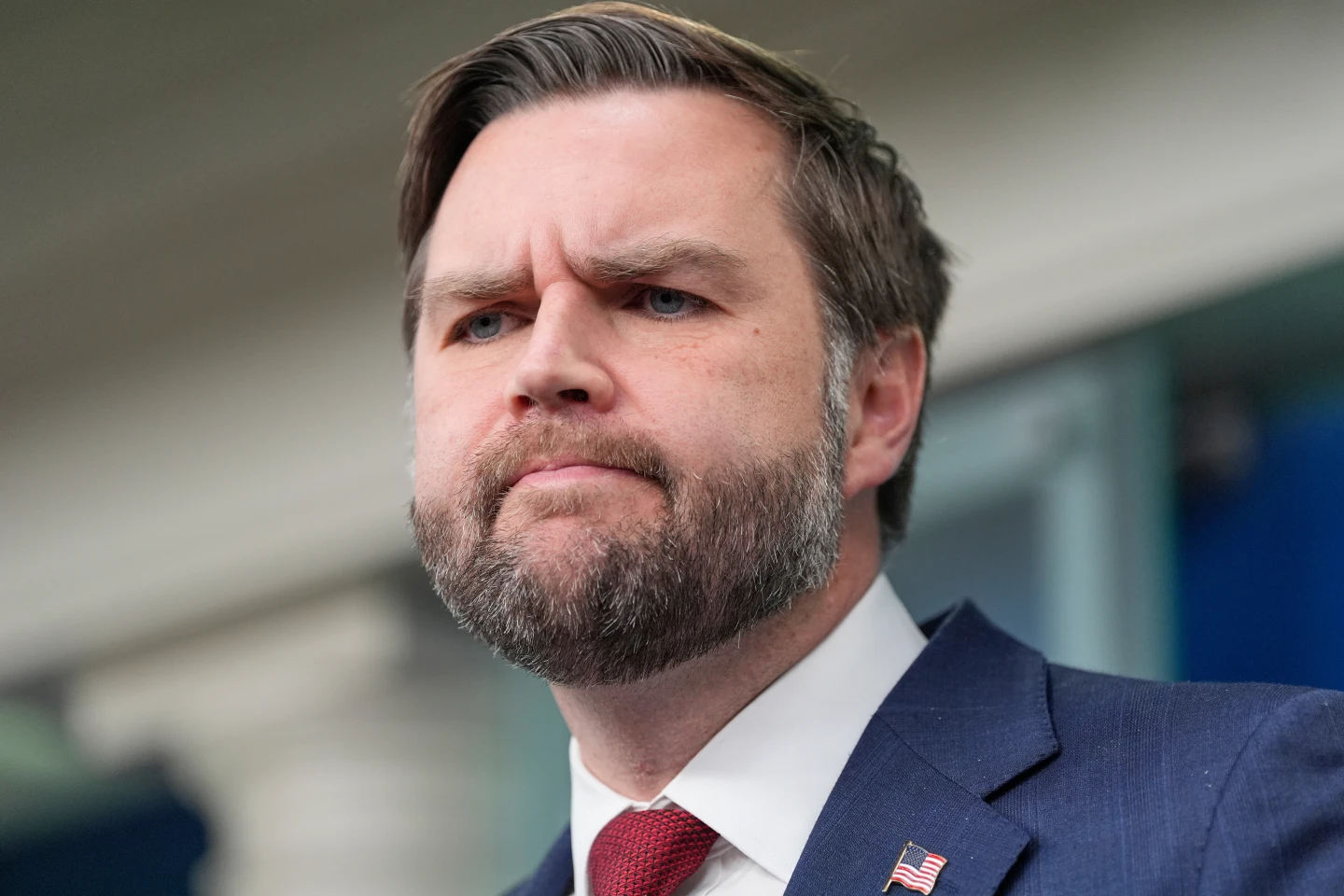
Following public scrutiny, Homeland Security Secretary Kristi Noem labeled the event as 'an act of domestic terrorism,' asserting the officer’s quick response was justified due to the apparent immediate danger. In contrast, critics argue that such labeling detracts from more nuanced discussions regarding police accountability and the use of lethal force.
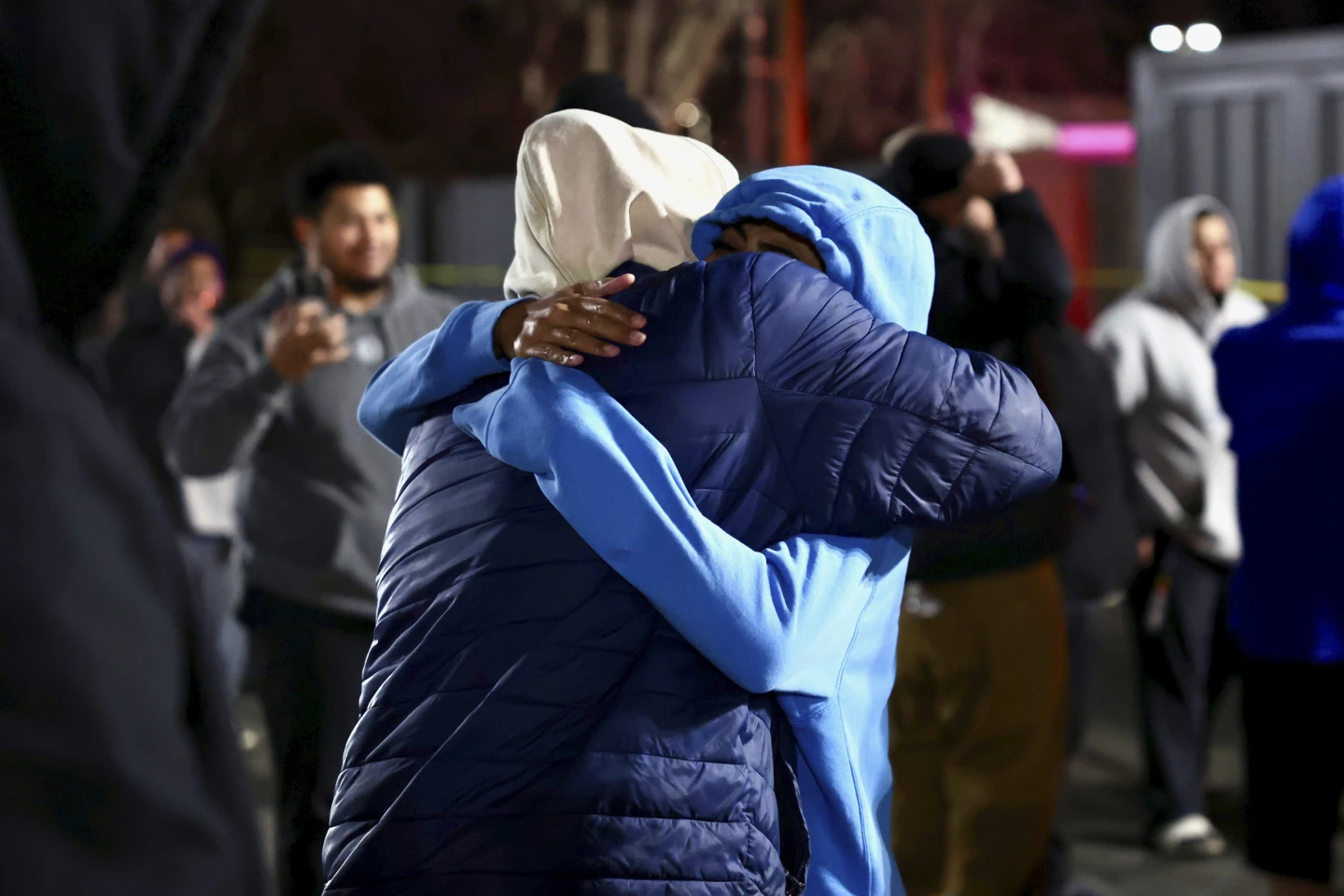
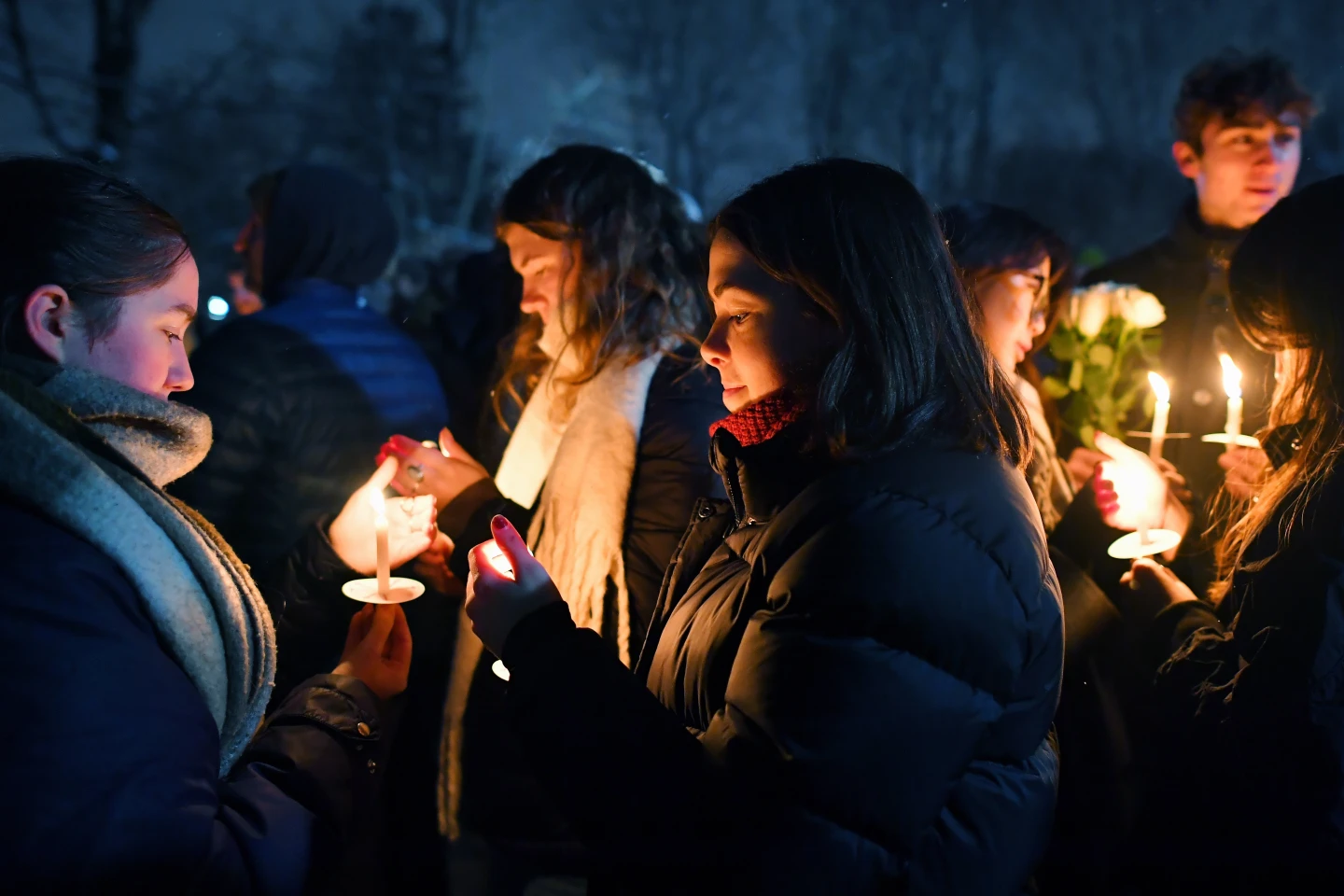
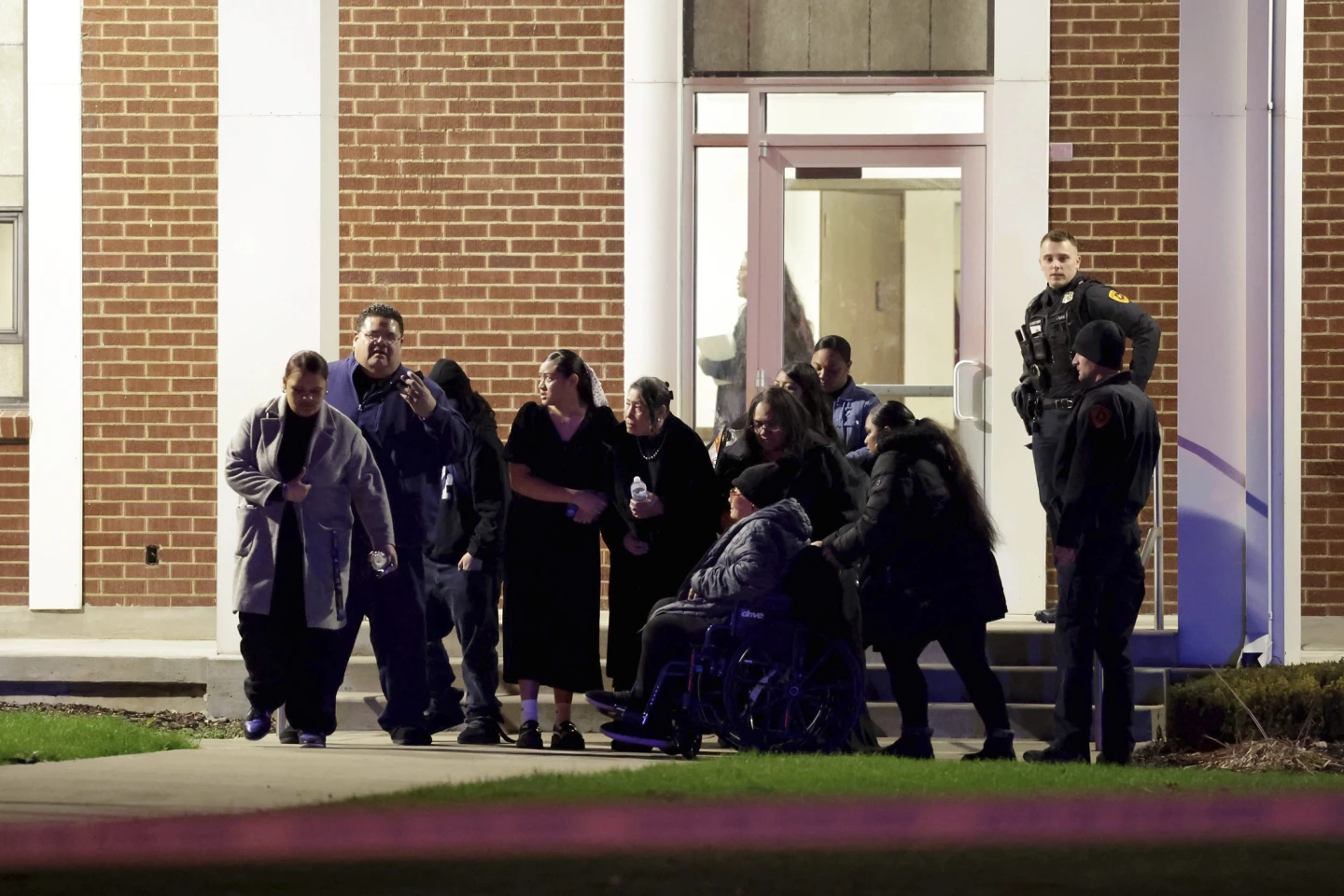
As the investigation unfolds, the essential concern remains whether the officer's belief that Good posed an imminent threat was reasonable. Law professors and policing experts call for a comprehensive review of standard protocols to prevent such tragedies from recurring. The community, however, is left grappling with the profound consequences of this event, the loss of a mother, and the implications it holds for interactions between law enforcement and civilians.