Homeland Security Secretary Markwayne Mullin is currently evaluating plans to convert warehouses across the United States into detention facilities aimed at housing tens of thousands of immigrants. With $1.074 billion already spent on eleven warehouses, the initiative has met with fierce opposition from local communities and advocates.
Upon taking office, Mullin initiated a pause on further warehouse acquisitions, signaling a shift after significant pushback. The Department of Homeland Security (DHS) is reviewing the contracts made under the previous secretary, Kristi Noem, as part of this reassessment.
State-Specific Plans and Concerns
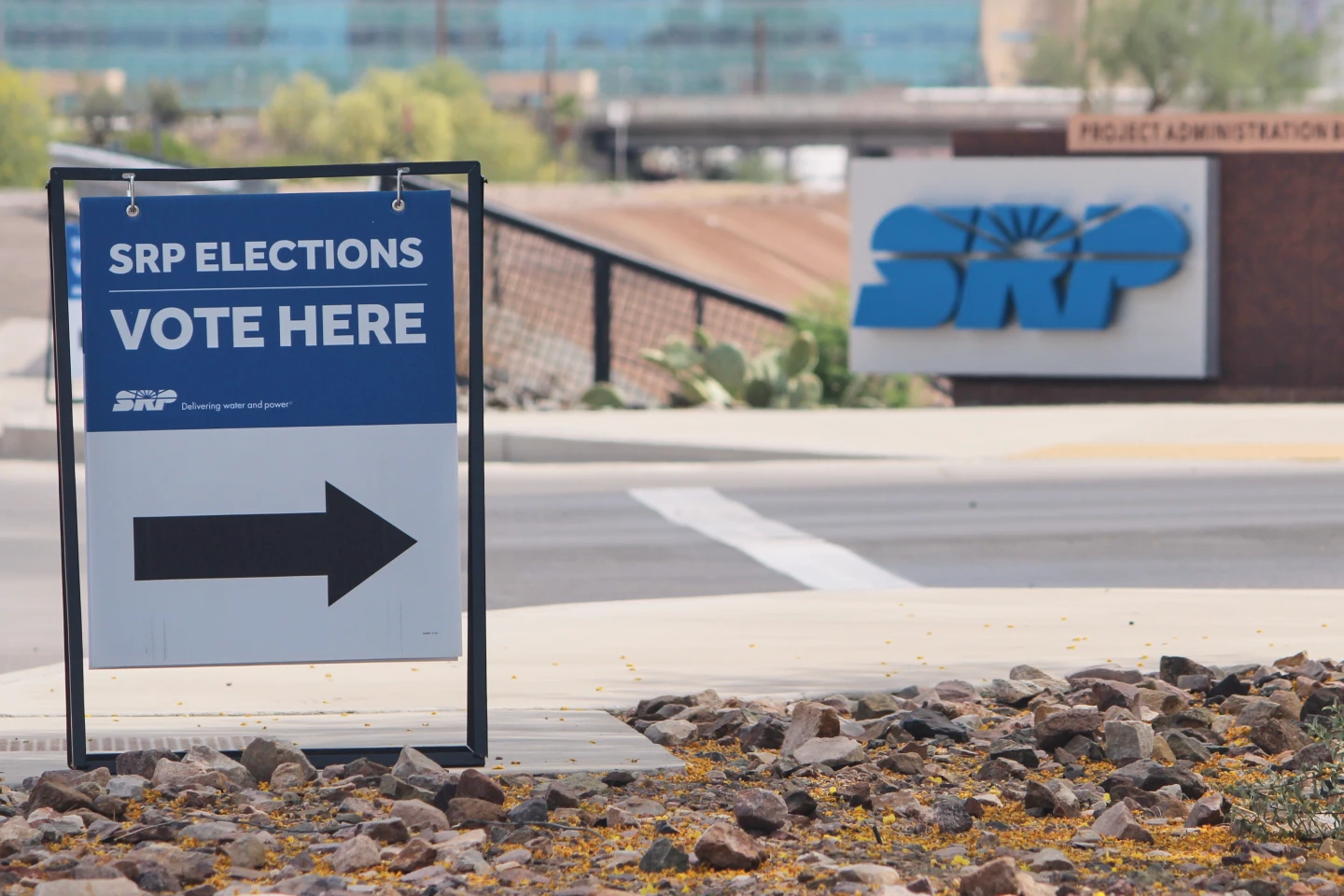
In Arizona, for instance, an ICE purchase of a large warehouse in Surprise has been met with criticism. Local officials, including the state’s attorney general, were not informed prior to the acquisition, which has drawn considerable public ire. Originally aimed to house 1,500 detainees, the plan has since been modified to start with a more modest cap of 542 beds, according to local officials.
Meanwhile, in Florida, private contractors and federal officials recently toured a warehouse in Orlando, sparking questions about its future use as a detention center. Similar exploratory efforts have echoed throughout various states.
Local Pushback Across the Nation
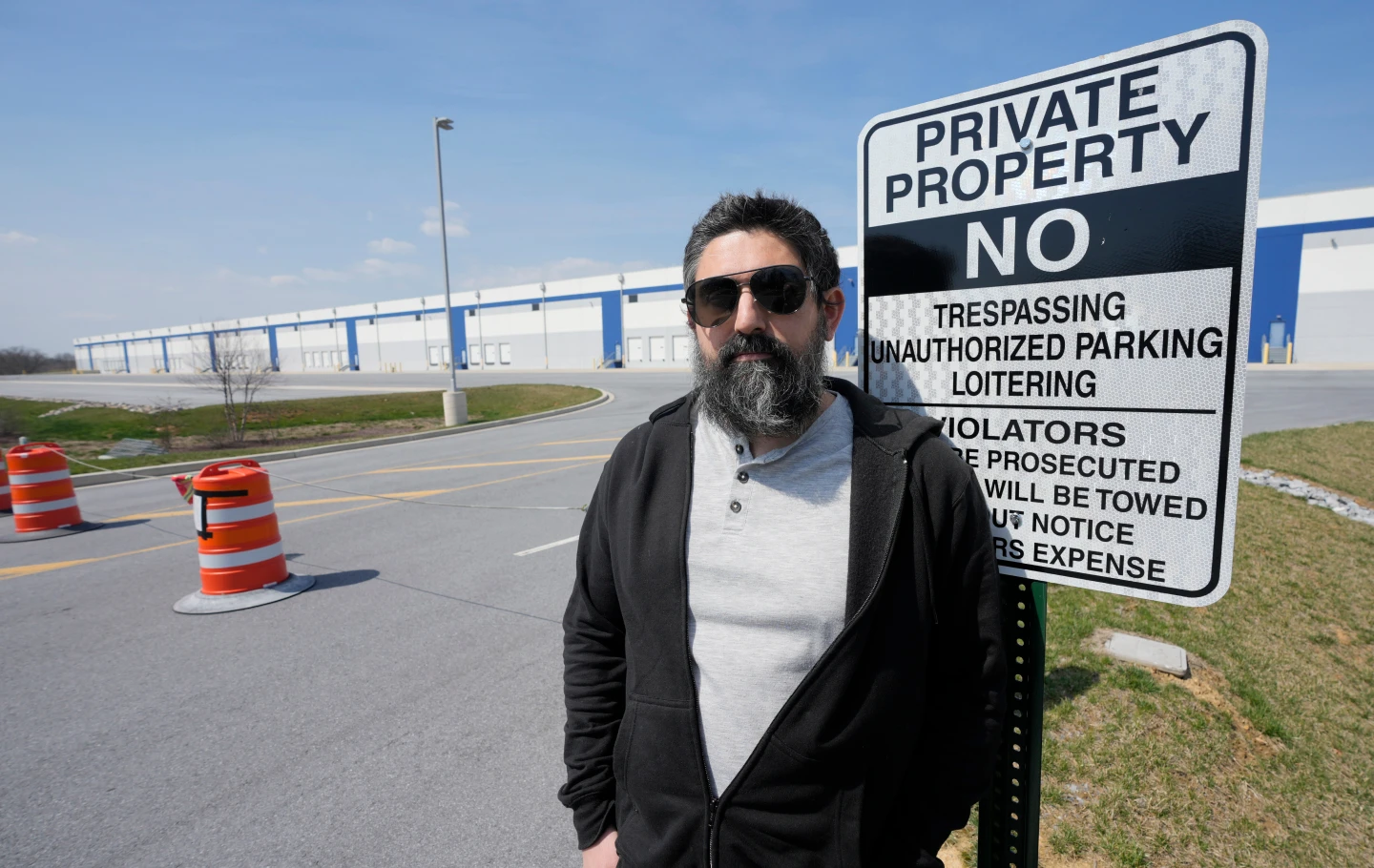
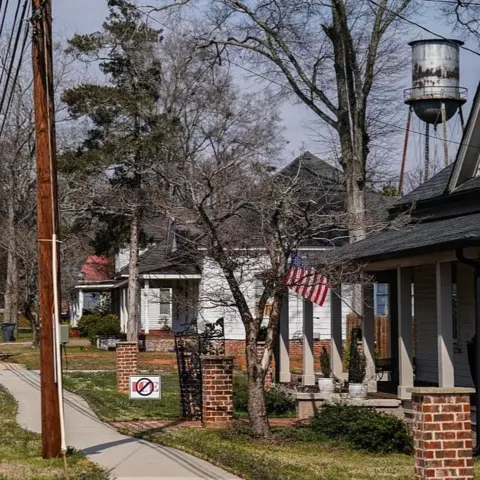
Many cities, especially in Georgia, expressed concerns over the overwhelming strains these facilities could impose on local resources such as water supply. Mayors and community leaders in affected states have voiced their worries, leading some to limit water access to proposed sites. In social pushes, citizens have rallied against planned facilities, exemplified by the backlash in Maryland where community support is divided.
Public outcry has led to the halt of several planned deals, while some states have taken legal actions against DHS for not adequately consulting with local governance during the selection process. States like Indiana and Michigan are currently disputing the acquisitions of warehouses on environmental grounds, pinpointing the governmental lack of communication.
Conclusion
The situation continues to evolve as Secretary Mullin reviews existing contracts and public sentiments surrounding the transformation of warehouses into detention centers. The long-term implications of this initiative remain uncertain, with many communities actively pushing back and seeking transparency and dialogue with federal authorities.