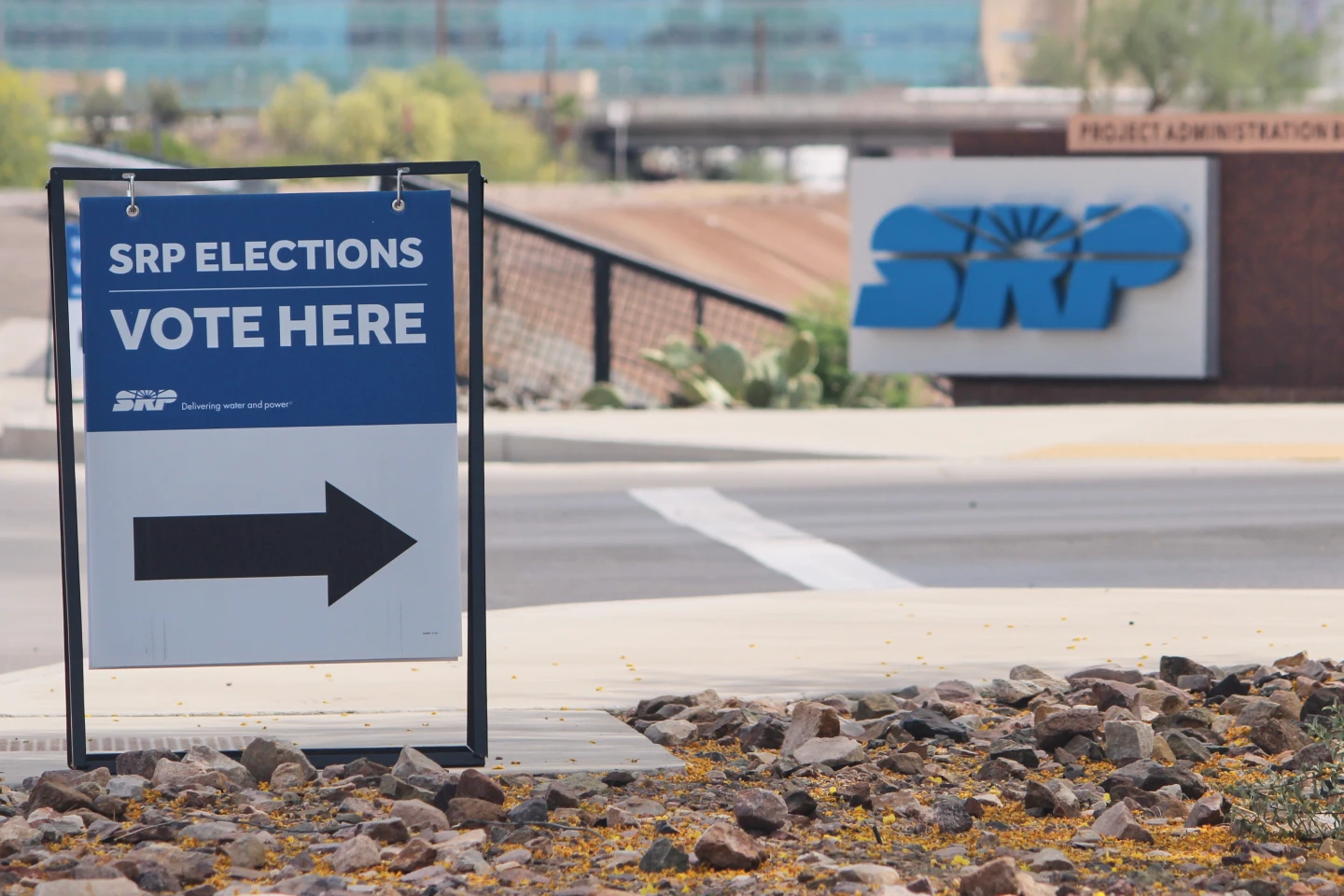
In Arizona and Alabama, upcoming utility elections are facing intensified scrutiny as rising household electricity costs provoke widespread concern. These once-overlooked contests now resemble political battlegrounds, reflecting broader national debates about energy policy and consumer protection.
Last year, similar tensions were evident during elections in Georgia, New Jersey, and Virginia, highlighting a national trend. Groups such as Turning Point Action and the Jane Fonda Climate PAC have emerged, influencing local races—particularly in Arizona where control of the Salt River Project, the nation's largest public utility, is at stake.
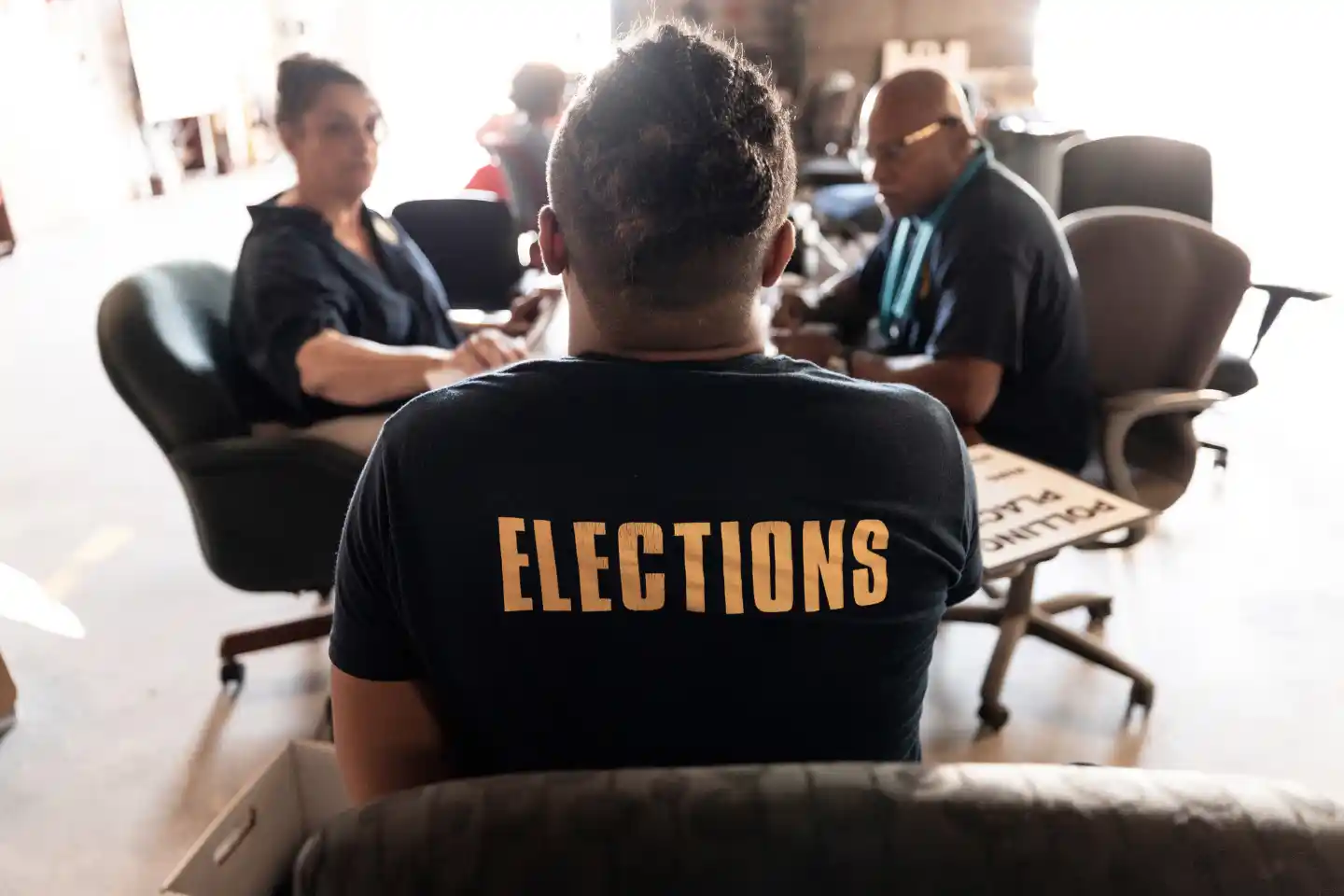
In Arizona, interest has surged, with a significant increase in the number of early ballot requests compared to previous elections. Candidate campaigns are flooding local neighborhoods with flyers, door knockers, and text messages, aiming to mobilize voters who own land to have a say in the elections.
These developments occur in a context where pressures are mounting on utilities to transition away from fossil fuels. As Phoenix becomes a hub for data centers and semiconductor factories, there are concerns that increased energy demand will necessitate new solutions for power capacity. Construction executives caution that transitioning to cleaner energy sources without a reliable support plan could lead to blackouts, highlighting the complexity of the issue.
Parallel developments are unfolding in Alabama, where growing concerns over high electricity rates have led to a push for restructuring the Alabama Public Service Commission. Recent legislative changes aimed to give more power to the governor over the commission and prevent utility rate hikes until 2029, reflecting growing agitation among voters dissatisfied with current trends.
Overall, the shifting dynamics in these utility elections illustrate a growing recognition that energy costs are intimately linked to local governance and voter sentiment, marking a pivotal moment in energy politics.