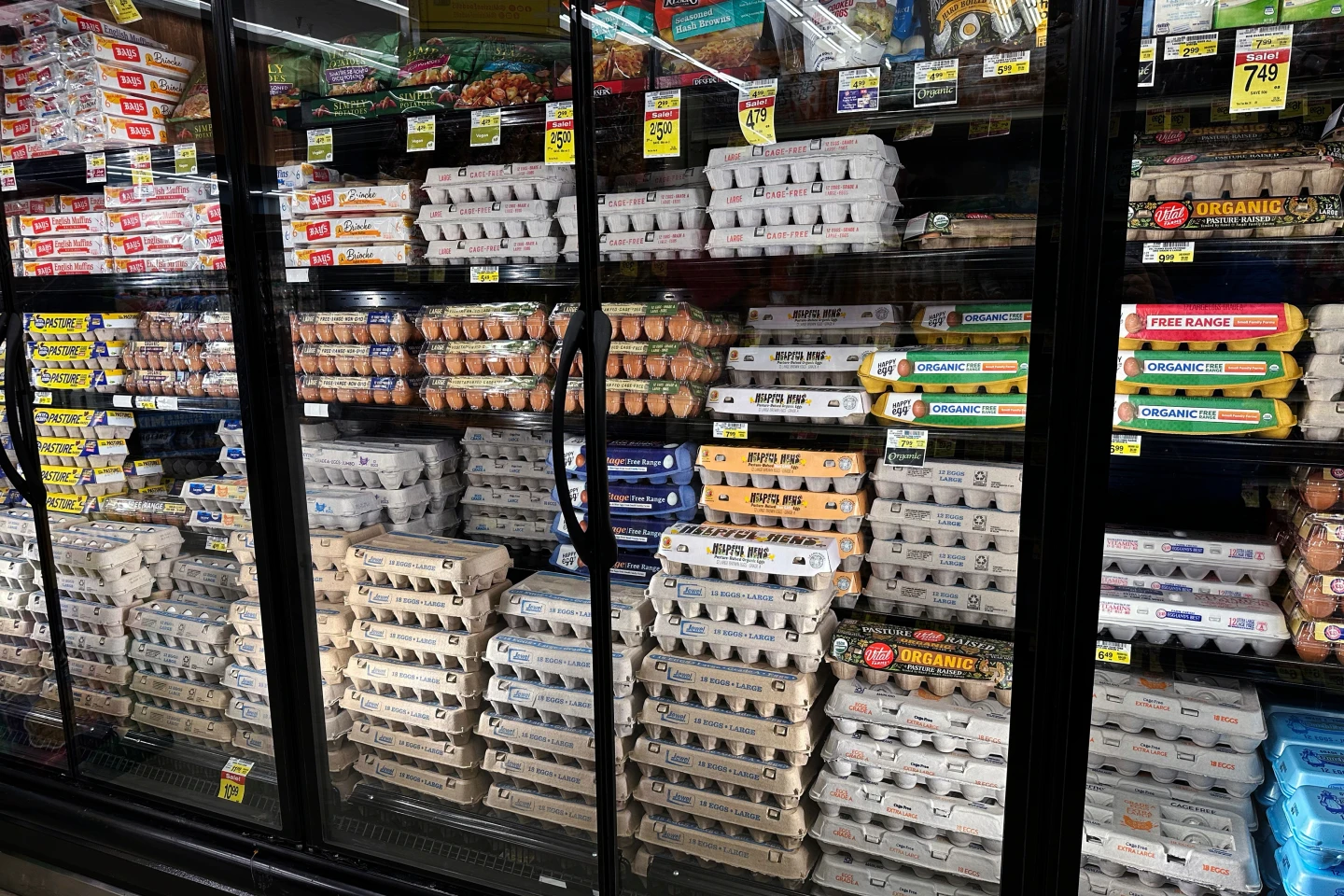
WASHINGTON (AP) — At the close of his first term, President Donald Trump signed a significant bill aimed at reducing harmful, planet-warming pollutants from refrigerators and air conditioners. This bipartisan initiative garnered praise from environmentalists and business groups, establishing a broad consensus on tackling climate change.
Fast forward five years, the Trump administration appears to be reversing its course, proposing to loosen a federal rule — rooted in the 2020 law — mandating various industries, including grocery outlets and HVAC companies, to decrease powerful greenhouse gases associated with cooling systems.
This new trajectory disrupts the previously accepted consensus regarding the need to phase out the use of hydrofluorocarbons, or HFCs, which are considerably more potent than carbon dioxide and significantly contribute to global warming.
The Environmental Protection Agency (EPA) has put forth a proposal that underscores the administration's ambition to dismantle regulations viewed as favorable to climate initiatives, despite risking chaos for the business sectors they claim to protect. EPA Administrator Lee Zeldin has remarked that their proposed changes aim to “put a dagger through the heart of climate change religion.”
While Zeldin asserts that this adjustment will ensure American refrigerants are affordable and dependable once again, environmentalists argue that it will lead to an increase in climate pollution and interrupt a lengthy industry transition to environmentally safer coolants.
HFCs have been identified as a primary factor in extreme heat trends and pollution. Experts stress that delaying their phaseout will incur negative and serious consequences.
Industry Backing for HFC Phaseout
The bipartisan American Innovation and Manufacturing Act of 2020 initiated the phasedown of HFCs as part of an international agreement aimed at eliminating ozone pollution, spurring a shift towards more benign refrigerants. Various industry associations, including the U.S. Chamber of Commerce, had voiced their support for the act citing job preservation and environmental enhancements.
However, the Trump administration's recent shift has sparked concern among those who had prepared to meet the requirements established by the prior rule. The Air-Conditioning, Heating and Refrigeration Institute warns that any alterations may inject uncertainty into the marketplace.
Critics from environmental organizations point out that relaxing the regulations could undermine the U.S.'s competitive edge in manufacturing and innovation while escalating consumer costs.
Despite the anticipation of enhanced economic conditions under these new proposals, backing from industry stakeholders for the existing regulatory structure reflects a fundamental disagreement over the future trajectory of U.S. climate policy.
Industry groups had already made significant adjustments to comply with the standards created by the earlier HFC regulation and see a retreat from these measures as a disruptive demand on their operations and planning.
The mitigation of these HFCs is crucial not just for combating climate change but also for maintaining international market leadership for American businesses. A rollback now would therefore not only have a detrimental environmental impact but could also pose challenges for economic stability in the affected industries.