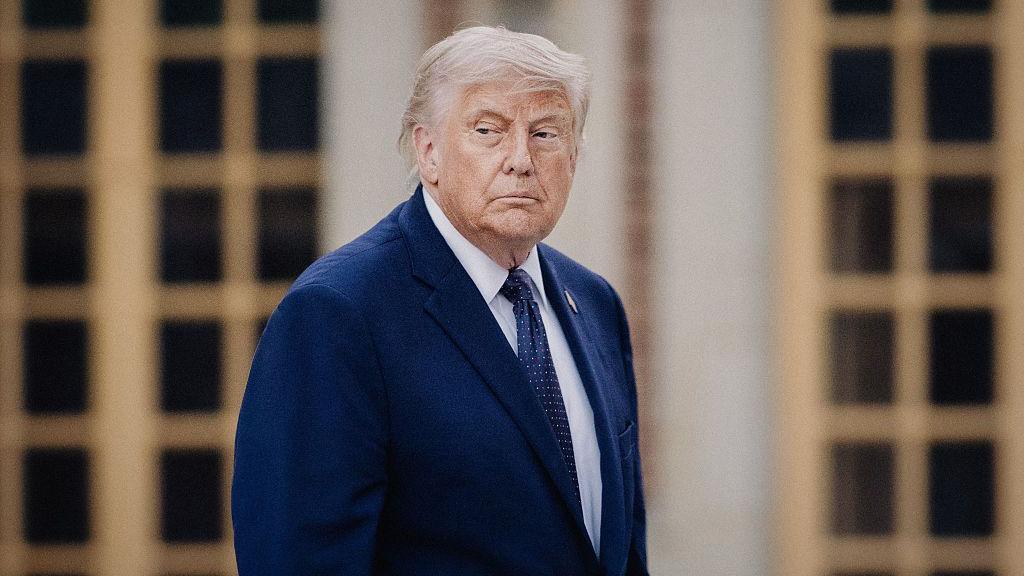
U.S. President Donald Trump has signed an executive order threatening to impose additional tariffs on countries that continue to trade with Iran.
The order, issued on Friday, does not specify the rate that could be imposed, but uses 25% as an example. It states that the tariff could apply to goods imported into the U.S. from any nation that directly or indirectly purchases, imports, or otherwise acquires any goods or services from Iran.
Trump has not directly commented on the order but reiterated no nuclear weapons for Iran when speaking from Air Force One on Friday night.
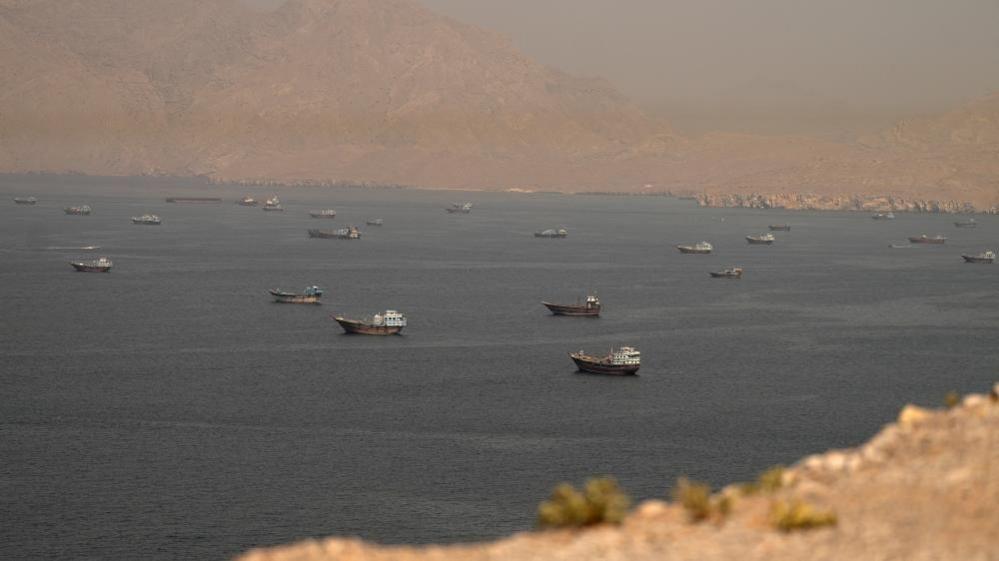
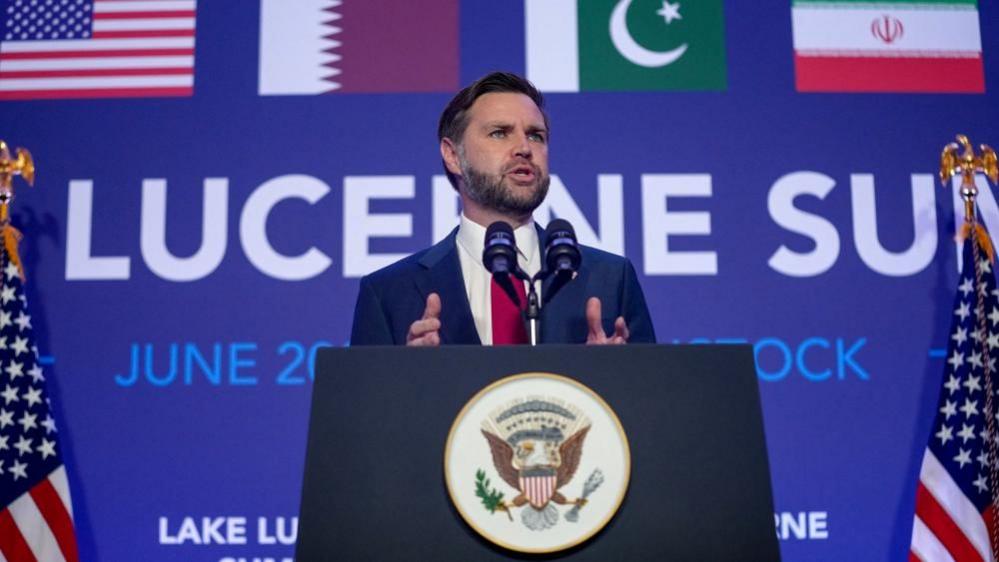
This action follows talks between senior U.S. and Iranian officials in Oman, after weeks of threats from both sides.
Earlier this year, Trump threatened a 25% tariff on countries doing business with Iran in a post to Truth Social, claiming this would take effect immediately.
At that time, no further detail was provided on how the tariffs would be enforced.
The White House noted that this executive order reaffirmed the ongoing national emergency with respect to Iran and that the President may modify it if necessary.
The statement emphasized that Tehran is being held accountable for its pursuit of nuclear capabilities, support for terrorism, and developing ballistic missiles that threaten American security and interests.
In conjunction, the U.S. State Department announced sanctions on 15 entities involved in trading Iranian oil and petrochemical products.
Iran, which is already under extensive sanctions related to its nuclear program, had no immediate comment on the announcements. The Iranian government has consistently denied allegations of seeking to develop nuclear weapons.
Since Trump abandoned the 2015 nuclear deal, which limited Iran’s nuclear activities in exchange for sanctions relief, tensions have escalated, leading to further sanctions and conflicts. Trump expressed that if a deal is not reached with Iran soon, the consequences could be severe.
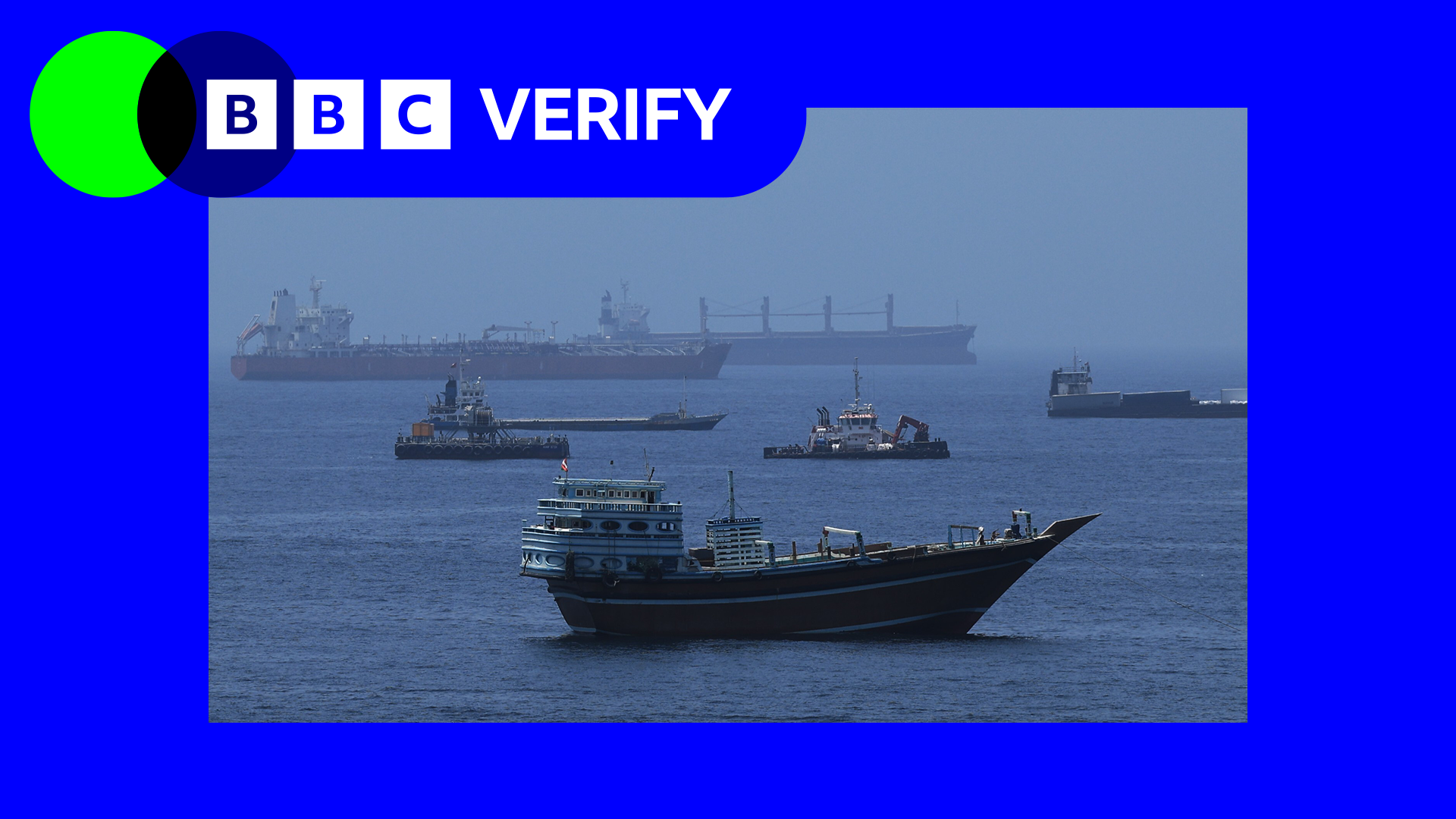
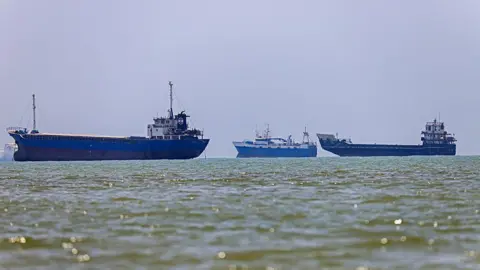
Despite the sanctions, over 100 countries still engage in trade with Iran, with China being its largest trading partner, followed by Iraq, the UAE, and Turkey.
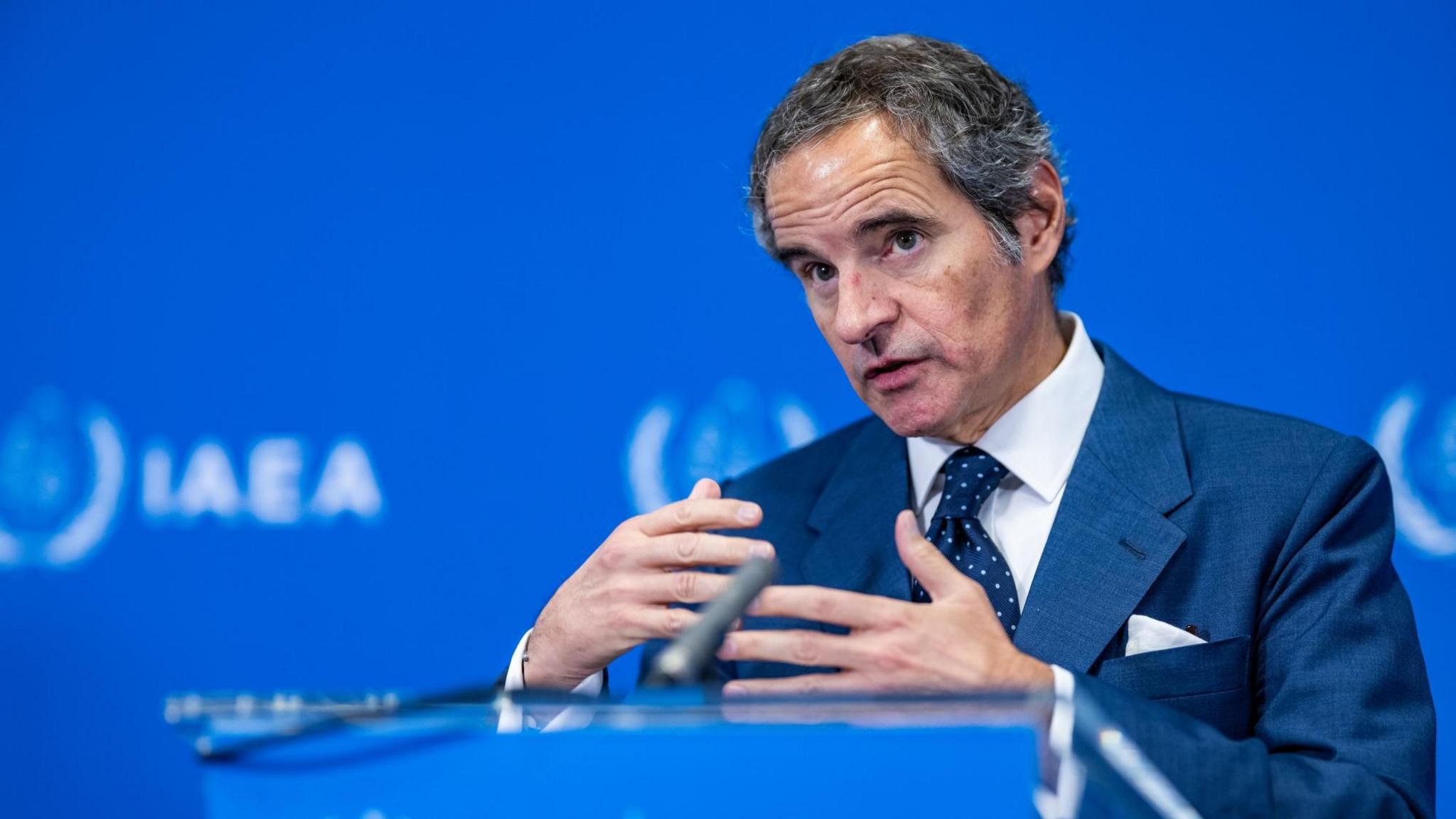
Recent talks on Iran's nuclear program are seen as an essential step in addressing the growing conflict between the U.S. and Iran, which has seen escalating military presence in the region.
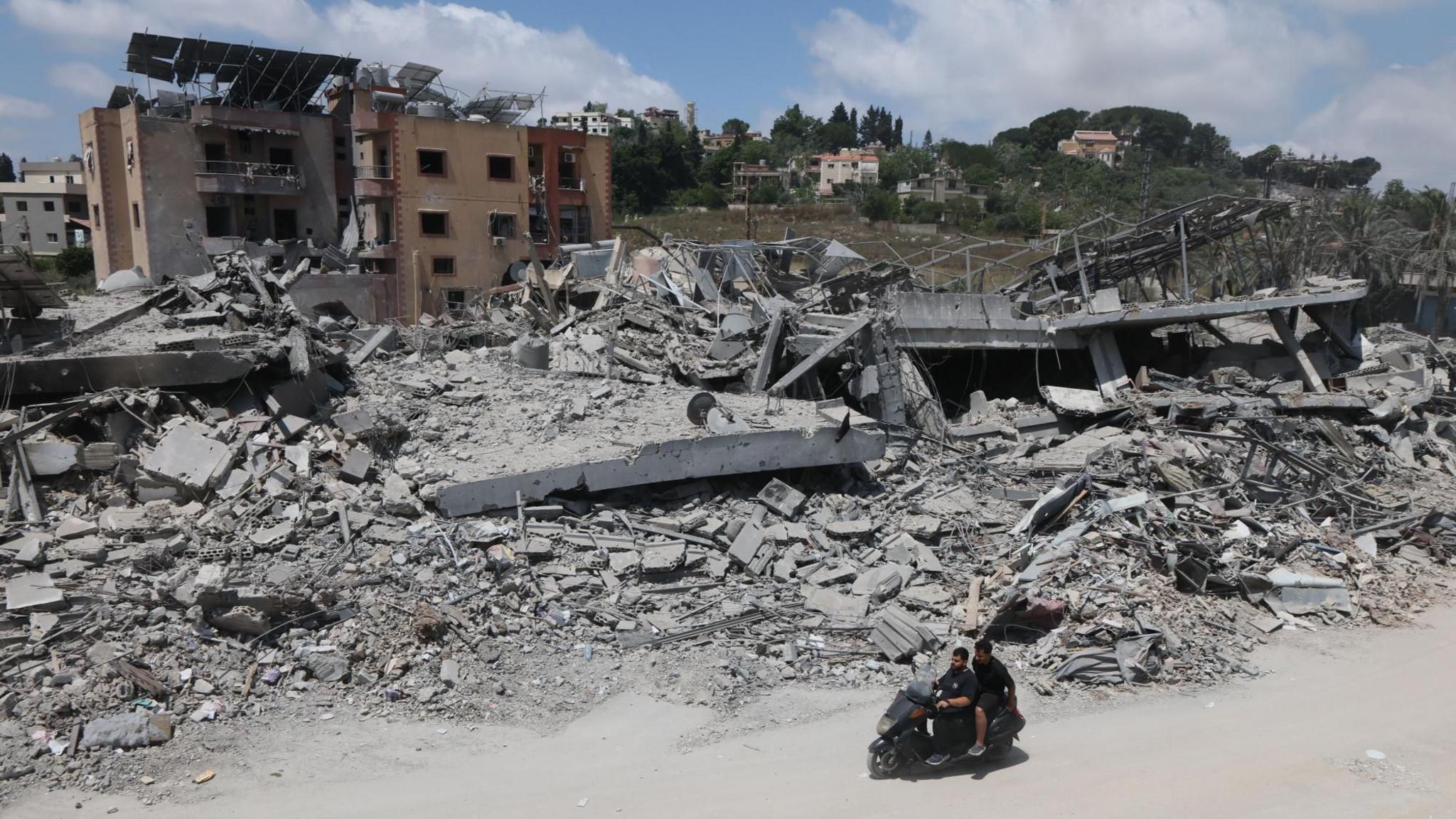
With fears of conflict looming, it remains to be seen how these tariffs and ongoing negotiations will influence U.S.-Iran relations and regional stability.