In brief
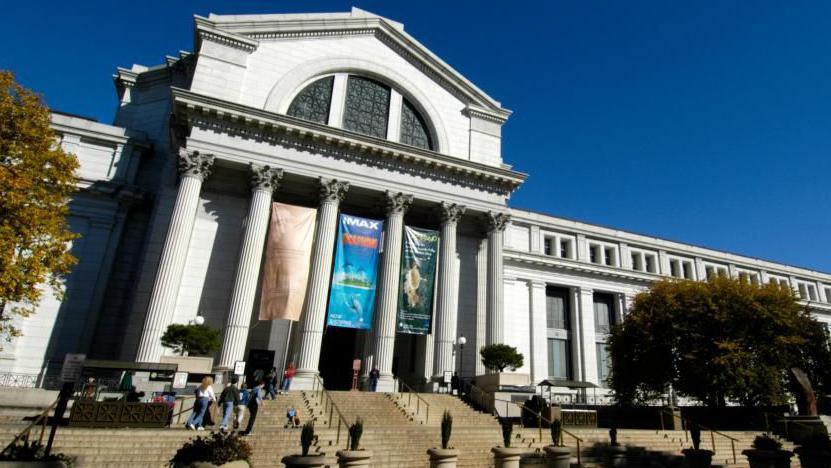
President Trump has signed an executive order directing the Department of Interior to place warning signs outside Smithsonian National Museum of American History to alert visitors to exhibits considered “inaccurate”. The order also instructs visitors where to find “accurate” depictions of America’s past. This action follows earlier criticism by the White House of the museum’s perceived “woke” bias and comes after congressional hearings questioning museum leadership over alleged socialist ideology. The Smithsonian, funded federally, has 21 museums and welcomes millions annually. The move adds to a broader Trump effort to curb diversity and inclusion programs.
President Donald Trump has ordered the placement of warning signs outside the Smithsonian National Museum of American History, signaling his administration’s belief that certain exhibits convey “inaccurate” portrayals of U.S. history.
The executive order, titled “Restoring Trust in the Smithsonian Institution,” requires the Department of Interior to issue the warnings and provide guidance on where visitors can find “accurate” information about America’s past. In the document, the White House accuses museum leadership of using the national narrative to advance social‑justice agendas and to support a “radical transformation of society” rooted in Marxist ideology.
The order follows a series of White‑House statements and a March decree that called for the Smithsonian to “eliminate improper, divisive, or anti‑American ideology.” Trump’s administration has also targeted diversity, equity and inclusion programs across federal agencies, sparking legal challenges.
Smithsonian museums receive federal funding and regularly welcome 15–30 million visitors. The institution operates 21 museums in Washington, D.C., Virginia, and New York, including the National Museum of American History, National Portrait Gallery, and the National Zoo.
The Smithsonian has yet to respond publicly to the order. Analysts note that the move reflects Trump’s broader strategy to reshape American culture and confront perceived “woke” influence in public spaces.